From Alpine Lakes to Remote Villages: Discover the Hidden Side of British Columbia Tourism

British Columbia tourism is often associated with famous destinations such as Vancouver, Whistler, and the Canadian Rockies. However, some of the province’s most memorable experiences can be found beyond its busiest attractions. Hidden alpine lakes, quiet mountain roads, historic villages, and small coastal communities reveal a more personal side of BC that many travelers overlook. These places offer opportunities to slow down, appreciate local culture, explore remarkable landscapes, and enjoy a different pace of life.

For visitors seeking more than a traditional sightseeing holiday, exploring these quieter destinations can make a trip especially rewarding. Time outdoors encourages movement, creates room for reflection, and provides a welcome break from demanding routines. Whether you are planning a scenic road trip or looking for peaceful places to explore, British Columbia has plenty of lesser-known experiences worth discovering.

1. Find Quiet Beauty Around British Columbia’s Alpine Lakes

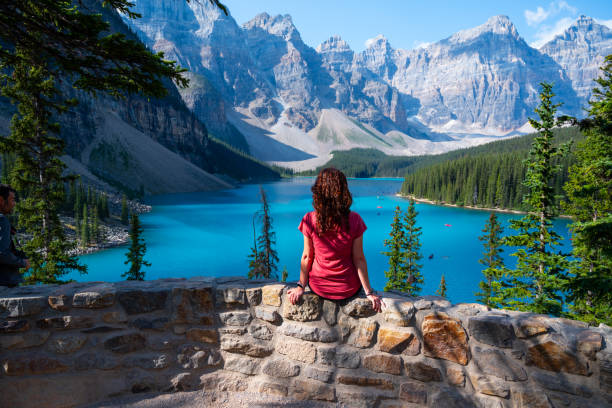
British Columbia’s alpine lakes are among its most striking natural features. Surrounded by mountain peaks, evergreen forests, and rocky slopes, these bodies of water offer scenery that feels far removed from busy urban life.

Some lakes are accessible through established hiking trails, while others can be enjoyed from nearby roads, picnic areas, or designated viewpoints. The journey to an alpine lake can be just as rewarding as the destination, especially when the route passes through mountain forests and open valleys.

Explore beyond the most famous viewpoints

Popular locations such as Joffre Lakes attract significant attention, but BC has many other lakes worth including in a travel itinerary. The Kootenay region, the Columbia Valley, and areas around the Cariboo offer opportunities to discover quieter waterfront settings.

Before visiting, check access restrictions, trail conditions, parking requirements, and seasonal closures. Some alpine routes involve steep climbs, uneven terrain, and unpredictable weather. Choose a trail that matches your experience and allow enough time to return safely.

Make time for peaceful outdoor activities

An alpine lake visit does not have to involve a demanding hike. You can enjoy a scenic viewpoint, take photographs, have a picnic in an approved area, or simply sit and appreciate the surroundings.

These quiet moments can encourage mindfulness. Paying attention to the sound of water, the movement of clouds, and the details of the landscape helps shift attention away from everyday distractions.

2. Discover Remote Villages With Distinct Local Character

Small communities are an important part of British Columbia’s identity. While larger cities attract visitors with restaurants, museums, and major attractions, remote villages often provide a closer look at regional history, local traditions, and everyday life.

Places such as Kaslo, New Denver, and Wells offer different perspectives on the province. Their appeal may include heritage buildings, independent shops, local galleries, community events, and access to surrounding wilderness.

Take time to understand the stories behind each place

Kaslo, located beside Kootenay Lake, has a rich history connected to mining, transportation, and settlement in the West Kootenay region. New Denver offers a quieter lakeside setting and important historical sites. Wells, near the historic Cariboo goldfields, provides a distinctive arts and heritage atmosphere.

Rather than treating these communities as quick stops, consider spending a night or two. Visit local businesses, learn about regional history, and ask residents about nearby attractions.

Travelers should also remember that small communities have limited services compared with major tourist centers. Plan fuel stops, accommodation, meals, and supplies in advance, particularly when traveling through remote areas.

3. Explore the Kootenays for Mountain Scenery and Small-Town Experiences

The Kootenay region is an excellent choice for travelers interested in a quieter side of BC. Its combination of mountain ranges, lakes, forests, and historic communities creates opportunities for both relaxation and outdoor adventure.

Visitors can explore places such as Nelson, Rossland, and the communities surrounding Kootenay Lake. Each offers a different atmosphere, from historic architecture and independent businesses to outdoor recreation and mountain views.

Combine scenic drives with local discoveries

A road trip through the Kootenays can include lakeside stops, short hikes, heritage attractions, and locally owned restaurants. Allow extra time for unexpected viewpoints and small community discoveries.

The region also offers seasonal activities. Summer brings opportunities for hiking, cycling, boating, and camping, while winter attracts visitors interested in skiing and snowshoeing.

Because distances between communities can be considerable, check road conditions before traveling. Mountain weather can change quickly, and some routes may require additional preparation during colder months.

4. Experience the Quiet Side of Vancouver Island

Vancouver Island is well known for destinations such as Victoria and Tofino, but its quieter communities and less crowded natural areas deserve attention too.

Travelers can explore coastal villages, sheltered beaches, forest trails, and scenic roads that reveal the island’s varied character. Communities such as Port Renfrew and Alert Bay offer opportunities to experience different aspects of coastal life and local history.

Look beyond the main tourist season

Traveling outside peak summer periods can provide a different experience. Some coastal areas become quieter, making it easier to enjoy local walks, explore small businesses, and appreciate the surrounding scenery.

However, visitors should check seasonal business hours and accommodation availability. Remote coastal communities may have fewer services, especially during the off-season.

Respect local customs and learn about the Indigenous histories and cultures connected to the island. When possible, choose Indigenous-led tours and cultural experiences that allow local communities to share their knowledge on their own terms.

5. Visit the Cariboo for Open Landscapes and Heritage

The Cariboo region offers a different perspective on British Columbia tourism. Known for its ranching history, gold rush heritage, lakes, and broad open spaces, it provides an alternative to the province’s more heavily promoted mountain and coastal destinations.

Communities such as 100 Mile House and Wells can serve as starting points for exploring regional attractions. Visitors may discover historic sites, local museums, fishing opportunities, and scenic drives through landscapes shaped by both nature and human history.

Learn about the region’s past

The Cariboo Gold Rush played an important role in the development of British Columbia. Heritage sites and local museums help explain how mining, transportation, and settlement influenced communities across the interior.

A visit to this region can be especially interesting for travelers who enjoy history alongside outdoor recreation. It also provides opportunities to support local businesses and learn about the challenges of living in less densely populated areas.

6. Use Slow Travel to Make Your British Columbia Trip More Meaningful

Exploring remote villages and lesser-known destinations naturally encourages a slower approach to travel. Instead of rushing between attractions, visitors can spend more time in each location and develop a better understanding of the region.

Slow travel can involve staying in locally owned accommodation, visiting community markets, choosing regional food, and planning fewer activities each day.

Create an itinerary that leaves room for rest

A practical approach is to select two or three nearby communities rather than attempting to cover a large area in a short period. Build in time for meals, scenic stops, and unexpected changes.

This approach can also make travel less stressful. Long driving days, crowded schedules, and constant movement can leave visitors feeling exhausted. A balanced itinerary makes room for enjoyment without turning a vacation into another demanding routine.

7. Connect Outdoor Exploration With Everyday Wellness

One reason quieter destinations appeal to many travelers is the opportunity to spend time away from everyday pressures. Walking through a forest, sitting beside a lake, or exploring a small village can create space to reflect and reconnect with personal interests.

Regular outdoor activity can support physical health and contribute to emotional well-being. It may also encourage people to develop routines that include movement, rest, and meaningful social interaction.

Bring simple healthy habits into your travels

You can make wellness part of a trip without following a complicated schedule:

  • Start the day with a short walk when conditions are safe.
  • Take regular breaks during long drives.
  • Choose activities that match your fitness and experience.
  • Stay hydrated and eat balanced meals.
  • Set aside time to read, journal, or enjoy quiet surroundings.
  • Spend time with supportive friends or family members.

These habits can be useful for anyone seeking a healthier lifestyle. They may also complement the broader work involved in improving mental health or maintaining recovery from addiction.

8. Recognize When Professional Addiction and Mental Health Support Is Needed

A peaceful destination can provide a welcome change of scenery, but travel alone cannot treat addiction or significant mental health concerns. Substance use disorders can involve physical dependence, emotional distress, changes in behavior, and difficulties maintaining relationships or daily responsibilities.

Recovery often requires professional assessment and an individualized treatment plan. Depending on a person’s needs, care may include counseling, behavioral therapies, medical support, medication when appropriate, and continuing recovery services.

Understand inpatient and outpatient treatment

Inpatient or residential treatment offers a structured setting for people who need intensive support and closer supervision. Outpatient treatment allows eligible individuals to attend scheduled services while continuing some responsibilities at home, work, or school.

The right level of care depends on the person’s health, substance use history, withdrawal risks, mental health needs, and support system.

A well-rounded recovery plan may also include healthy physical activity, stress management, mindfulness, improved sleep, and supportive relationships. For people who value spirituality, faith-based counseling, prayer, and involvement in a supportive faith community may provide additional encouragement.

These practices can complement appropriate clinical care. They should not replace medical treatment, particularly when withdrawal symptoms or other health risks are present. Anyone concerned about stopping alcohol or certain drugs should seek guidance from a qualified healthcare professional before making changes.

If addiction or emotional distress is affecting your life, reaching out for professional help can be an important first step. You do not have to wait until the situation becomes overwhelming to ask for support.

Discover a Different Side of British Columbia

From peaceful alpine lakes to historic villages and quiet coastal communities, British Columbia offers much more than its most famous tourist attractions. Exploring these lesser-known destinations allows travelers to experience the province at a more relaxed pace while discovering its natural beauty, regional history, and local character.

Plan your journey carefully, support small communities, and choose outdoor activities that suit your abilities. Most importantly, make room for experiences that help you feel present and engaged with the world around you.

The benefits of a meaningful trip can continue after you return home. A renewed interest in walking, spending time outdoors, connecting with others, or maintaining healthier routines can become part of everyday life. If addiction or mental health challenges require more than lifestyle changes, professional treatment can provide the guidance and structure needed for lasting progress.

British Columbia’s hidden destinations are worth discovering. They offer not only remarkable places to visit, but also opportunities to slow down, gain perspective, and make space for a healthier way forward.

Wild, Beautiful, and Unforgettable: What Makes British Columbia a Must-Visit Destination

British Columbia is a destination that leaves a lasting impression. From rugged mountain ranges and ancient rainforests to lively coastal cities and quiet lakeside communities, this Canadian province offers an extraordinary variety of experiences. Travelers can spend the morning exploring a historic town, the afternoon walking beside the Pacific Ocean, and the evening enjoying fresh local food surrounded by spectacular scenery. Yet BC offers more than beautiful places to photograph. Its outdoor lifestyle, welcoming communities, and opportunities for meaningful exploration make it an appealing destination for anyone looking to step away from routine, reconnect with nature, and return home with a fresh perspective.

For visitors who value wellness, British Columbia also provides countless ways to enjoy movement, relaxation, and time with loved ones. These experiences can support healthier habits and emotional well-being, making a trip rewarding long after the vacation ends.

1. Experience Landscapes That Change With Every Journey

One of British Columbia’s greatest attractions is its remarkable geographic diversity. The province covers an enormous area, and its landscapes vary significantly from one region to another. Snow-covered peaks, dry interior valleys, dense forests, coastal islands, and open grasslands all contribute to its distinctive character.

Discover the mountains and valleys

The mountain scenery around Whistler, the Kootenays, and the Canadian Rockies attracts visitors throughout the year. During warmer months, travelers can enjoy hiking, cycling, scenic drives, and mountain viewpoints. In winter, many areas become popular destinations for skiing, snowboarding, and snowshoeing.

The Okanagan Valley offers a different atmosphere, with lakes, vineyards, orchards, and sunny communities. Visitors can explore waterfront paths, enjoy local produce, and experience the region’s food and cultural attractions.

Rather than trying to see everything in one trip, choose a region that matches your interests. A slower itinerary often allows more time to appreciate local attractions and enjoy unexpected discoveries.

2. Explore Rainforests, Forest Trails, and Coastal Wilderness

British Columbia’s forests are among its most impressive natural features. Some areas contain towering old-growth trees, moss-covered ground, and lush vegetation that create a striking contrast with the province’s open mountain landscapes.

The coastal rainforests of Vancouver Island and the mainland offer opportunities to experience this environment through established trails, guided walks, and designated nature areas.

Make time for quieter outdoor experiences

Not every memorable activity needs to involve speed, difficulty, or physical endurance. A gentle forest walk can provide an opportunity to slow down and notice details that are easy to overlook in everyday life.

Listen to birds, observe the trees, and take breaks to enjoy the surroundings. If you are traveling with family or friends, a short walk can also create opportunities for relaxed conversation.

Spending time in green spaces may help reduce everyday stress and encourage mindfulness. These benefits can be valuable for people who want to establish healthier routines or make more room for personal well-being.

Visitors should remain on designated trails, follow park regulations, and respect sensitive natural environments. Some forest areas have challenging terrain, so check local conditions before setting out.

3. Discover the Beauty and Culture of British Columbia’s Coast

The Pacific coastline gives British Columbia a distinctive identity. From Vancouver’s urban waterfront to the rugged beaches and small communities of Vancouver Island, the coast offers a combination of natural beauty and cultural experiences.

Visitors can explore seaside neighborhoods, take ferry journeys, enjoy seafood, and discover coastal trails with views across the ocean. Communities such as Tofino are particularly popular with travelers interested in beaches, surfing, and the natural environment.

Enjoy coastal communities beyond the main attractions

Some of the best travel experiences happen when visitors spend time getting to know a destination rather than rushing between famous landmarks. Explore local shops, visit community markets, sample regional food, and learn about the area’s history.

British Columbia’s coastal communities also reflect diverse cultural traditions, including the longstanding presence and contributions of Indigenous peoples. Visitors can deepen their understanding by choosing respectful, Indigenous-led cultural experiences and learning about the history of the territories they visit.

This approach makes travel more meaningful because it connects beautiful scenery with the people and stories that give each place its character.

4. Enjoy Outdoor Activities That Encourage an Active Lifestyle

British Columbia is an excellent destination for people who enjoy staying active. Its varied terrain makes room for recreational opportunities at different skill levels, whether visitors prefer a peaceful walk or a demanding outdoor adventure.

Popular activities include:

  • Hiking through mountain and forest trails.
  • Cycling along waterfront routes and designated paths.
  • Kayaking on lakes and sheltered coastal waters.
  • Skiing and snowboarding during the winter season.
  • Wildlife viewing with responsible local guides.
  • Camping in approved areas and provincial parks.
  • Walking through gardens, nature reserves, and scenic communities.

Choose activities that fit your physical needs

An enjoyable outdoor vacation does not require extreme challenges. In fact, choosing activities that match your abilities can make the experience safer and more satisfying.

Start with manageable distances, bring suitable clothing, stay hydrated, and allow time for rest. Check weather forecasts and local safety information, particularly when exploring remote areas or participating in water sports.

For people working to improve their physical and emotional health, regular movement can be an important part of a balanced lifestyle. Outdoor recreation can make exercise more enjoyable by connecting it with exploration, social interaction, and memorable experiences.

5. Experience Wildlife and Learn About Conservation

British Columbia is home to a wide variety of wildlife. Depending on the region and season, visitors may have opportunities to see whales, black bears, grizzly bears, bald eagles, deer, and many other species.

Wildlife experiences can become highlights of a trip, especially when they are guided by knowledgeable local operators who understand animal behavior and conservation requirements.

Practice responsible wildlife tourism

Observing animals in their natural habitats requires patience and respect. Keep a safe distance, never feed wildlife, and follow all instructions provided by guides and park authorities.

Visitors should also avoid disturbing nesting areas and sensitive habitats. Responsible travel helps protect the ecosystems that make British Columbia so special.

Learning about conservation can add another dimension to a vacation. It encourages visitors to understand how natural environments function and why protecting them matters for future generations.

6. Discover Food, Communities, and Local Experiences

Although British Columbia is famous for its wilderness, its communities deserve equal attention. Cities such as Vancouver and Victoria offer museums, public gardens, restaurants, historic neighborhoods, and vibrant arts scenes.

Smaller towns provide their own appeal through local markets, regional festivals, outdoor events, and independent businesses.

Taste the diversity of BC

British Columbia’s food culture reflects its geography and multicultural population. Depending on where you travel, you can enjoy fresh seafood, locally grown fruit, farm-to-table meals, and international cuisine.

The Okanagan is especially known for its agricultural products and wine-growing regions. Coastal communities offer access to seafood, while urban centers provide an extensive range of dining experiences.

Taking time to explore local food and culture can make a trip feel more connected to the destination. It also gives travelers opportunities to meet residents, support local businesses, and discover experiences that may not appear on a standard sightseeing itinerary.

7. Make Your Trip an Opportunity to Support Personal Well-Being

Travel can provide a useful break from familiar pressures. A change of environment may encourage people to reconsider their routines, spend more time outdoors, and reconnect with interests that have been neglected.

British Columbia offers many settings for these experiences. A morning walk beside a lake, a quiet afternoon in a forest, or an active day exploring a new community can create opportunities to focus on the present.

Build healthy routines that continue after your vacation

The value of a trip does not have to end when you return home. Consider which activities helped you feel more balanced and how you might include similar habits in everyday life.

For example, you could:

  • Schedule regular walks in a nearby park.
  • Spend less time on screens during personal downtime.
  • Plan outdoor activities with supportive friends or family.
  • Set aside time for journaling or quiet reflection.
  • Make sleep, nutritious meals, and physical activity consistent priorities.

These habits can support general wellness, but they are not a substitute for treatment when someone is experiencing addiction or a mental health condition.

8. Understand the Role of Professional Support in Addiction Recovery

A vacation can offer relaxation and a fresh perspective, but it cannot resolve the underlying challenges of substance use disorders or serious mental health concerns. Addiction can affect physical health, relationships, decision-making, employment, and emotional stability. Recovery often requires ongoing professional support and a plan suited to the individual’s circumstances.

Effective addiction treatment may involve medical assessment, counseling, behavioral therapies, medication when clinically appropriate, and continuing care. Mental health concerns such as anxiety, depression, or trauma may also need to be addressed as part of treatment.

Consider individualized inpatient and outpatient care

Inpatient or residential treatment provides a structured setting for people who need intensive support and a more supervised environment. Outpatient treatment allows eligible individuals to attend scheduled services while continuing some responsibilities at home, work, or school.

The appropriate level of care depends on several factors, including the substance involved, withdrawal risks, physical health, mental health needs, and available support.

A personalized treatment plan may also include wellness practices such as exercise, mindfulness, improved nutrition, and stress management. For individuals who value spirituality, faith-based counseling, prayer, or supportive religious communities may provide an additional source of strength.

These approaches can complement evidence-based treatment. They should be selected according to personal needs and preferences, not treated as replacements for qualified clinical care.

If you or someone close to you is struggling with substance use, consider speaking with a healthcare professional or addiction treatment provider. Some withdrawal symptoms can be medically dangerous, so stopping certain substances without appropriate guidance may carry serious risks.

Make British Columbia Your Next Meaningful Travel Experience

British Columbia is a must-visit destination because it brings together extraordinary landscapes, outdoor adventure, cultural diversity, and opportunities for personal discovery. Whether you are exploring mountain trails, relaxing beside a lake, visiting coastal communities, or learning about local wildlife, the province offers experiences that can make a journey truly memorable.

The best trip is not necessarily the one with the busiest schedule. Give yourself time to explore at a comfortable pace, connect with the places you visit, and enjoy activities that support your well-being.

Most importantly, consider how the positive habits you develop while traveling can become part of your everyday life. Nature, movement, supportive relationships, and quiet reflection can all contribute to a healthier lifestyle. When addiction or mental health concerns require more support, professional treatment can provide the structure and guidance needed for meaningful progress.

Whether you are planning your first visit or returning to discover another part of the province, British Columbia offers plenty of reasons to explore. And if you are ready to make positive changes in your life, taking the first step toward appropriate support can be just as meaningful as beginning a new journey.

Is British Columbia Worth Visiting? Discover the Outdoor Experiences That Make BC Stand Out

British Columbia is absolutely worth visiting for travelers who want dramatic mountain views, peaceful forests, beautiful coastlines, and outdoor adventures that offer more than a memorable photograph. Located on Canada’s Pacific coast, BC combines remarkable natural diversity with opportunities to slow down, stay active, and reconnect with what matters. Whether you are planning a family vacation, a solo getaway, or a restorative break from a demanding routine, British Columbia offers experiences that can support physical wellness, encourage reflection, and create lasting memories.

For travelers interested in healthier living, the province also offers something valuable: space to step away from everyday pressures and spend meaningful time outdoors. While nature cannot replace professional care for addiction or mental health concerns, outdoor activities can complement a balanced wellness routine and provide opportunities to build healthier habits.

1. Explore the Canadian Rockies and British Columbia’s Mountain Landscapes

British Columbia’s mountains are among its most recognizable attractions. Towering peaks, alpine meadows, glacier-fed lakes, and winding trails create a spectacular setting for visitors who enjoy outdoor exploration.

Destinations around the Canadian Rockies, including the areas near Golden and the Columbia Valley, offer opportunities to experience the province’s rugged scenery. Visitors can choose from scenic drives, guided excursions, accessible walking paths, and more demanding hikes.

Choose an adventure that matches your ability

You do not need to be an experienced climber to appreciate BC’s mountain scenery. A short nature walk or a viewpoint reached by car can be just as rewarding as a strenuous trek. Before setting out, consider your fitness level, weather conditions, trail difficulty, and available daylight.

Mountain excursions can also encourage patience and persistence. Completing a suitable trail or simply taking time to appreciate a panoramic view may help visitors feel more present and engaged with their surroundings.

2. Discover the Peace of British Columbia’s Forests

BC’s forests provide a different kind of outdoor experience. Tall evergreen trees, shaded paths, birdsong, and the scent of damp earth create an inviting environment for anyone seeking a quieter break from busy schedules.

Forest walks are accessible to many travelers because they can be adapted to different fitness levels. A gentle stroll through a local park may be enough to create a welcome change of pace.

Make forest walks part of a healthier routine

Spending time outdoors can encourage movement and provide a break from constant notifications, work demands, and other distractions. Try walking without checking your phone, noticing the sounds around you, or pausing to observe the changing light through the trees.

These simple activities can support mindfulness, which involves paying attention to the present moment without becoming caught up in every thought or worry.

For people working toward better emotional well-being, small routines can be especially useful. However, if anxiety, depression, or substance use is affecting daily life, professional support remains important.

3. Visit BC’s Lakes and Rivers for Scenic Relaxation

British Columbia is home to countless lakes and rivers, ranging from accessible urban waterfronts to remote alpine settings. Their clear water, surrounding forests, and mountain backdrops make them popular destinations for sightseeing, photography, kayaking, fishing, and peaceful afternoons outdoors.

Famous locations such as Emerald Lake in Yoho National Park and the lakes around the Okanagan Valley demonstrate the variety of experiences available across the province.

Enjoy the water safely and responsibly

A lakeside visit does not need a packed itinerary. Bring a picnic, read a book, take a gentle walk, or sit quietly and enjoy the scenery. If you prefer active recreation, consider a guided kayaking trip or another activity suited to your experience.

Water conditions can change quickly, so check local guidance before swimming, boating, or paddling. Cold water, changing weather, and unfamiliar terrain deserve careful attention, even on a sunny day.

These peaceful settings can also create space for journaling, reflection, or conversations with loved ones. Sometimes, stepping away from familiar surroundings makes it easier to recognize which daily habits support well-being and which ones may need to change.

4. Experience the Rugged Beauty of the Pacific Coast

British Columbia’s coastline is another reason the province stands out. From Vancouver’s waterfront to the beaches and rainforest trails around Vancouver Island, the Pacific coast offers a mix of natural beauty, cultural experiences, and outdoor recreation.

Visitors can explore coastal communities, walk beside the ocean, join wildlife-watching tours, or discover rainforest trails where enormous trees and lush vegetation create a distinctive atmosphere.

Find a slower pace beside the ocean

Coastal travel offers plenty of opportunities to enjoy the moment without filling every hour with activities. Watch the waves, explore a beach at low tide where safe and permitted, or take a leisurely walk along a waterfront path.

For many people, time near the ocean offers a welcome change from demanding routines. The sound of the waves and the open horizon can provide a setting for reflection and relaxation.

If you are planning a trip to popular coastal areas, book accommodation early during peak travel periods. Respect wildlife viewing distances, follow local beach advisories, and check tide conditions before exploring unfamiliar shorelines.

5. Experience Wildlife and the Province’s Natural Diversity

British Columbia’s varied ecosystems support a remarkable range of wildlife. Depending on the region and season, visitors may encounter whales, eagles, bears, deer, and numerous bird species.

Wildlife viewing can make a trip especially memorable because every encounter depends on natural conditions. Guided tours and designated viewing areas often provide useful information about local habitats while helping visitors observe animals responsibly.

Travel with respect for nature

Responsible wildlife tourism means keeping a safe distance, following guide instructions, never feeding wild animals, and leaving natural spaces undisturbed. Visitors should also follow park rules and pack out their waste.

These practices help protect the environments that make BC special. They also encourage a more thoughtful approach to travel, one that values learning and respect rather than simply collecting photographs.

For travelers who want to understand the province beyond its famous attractions, local interpretive programs, conservation areas, and guided nature experiences can offer deeper insight into BC’s landscapes and wildlife.

6. Build Healthier Habits Through Outdoor Adventure

One of the most rewarding reasons to visit British Columbia is the variety of ways to stay active. Hiking, cycling, kayaking, skiing, snowshoeing, and walking through scenic communities allow visitors to choose activities that fit their interests and abilities.

Physical activity can support general health, improve sleep, and contribute to emotional well-being. Outdoor recreation can also make movement feel enjoyable rather than like another task on a busy schedule.

Start with realistic goals

You do not need to complete a challenging hike or participate in an extreme sport to benefit from an active vacation. Begin with manageable activities, take breaks when needed, and allow enough time for rest.

Travel can also inspire habits that continue after you return home. For example, you might discover that a morning walk improves your mood, that spending time outside helps you unwind, or that planning regular movement gives your week more structure.

For people recovering from addiction, establishing consistent routines can be an important part of rebuilding daily life. Exercise, sleep, balanced meals, supportive relationships, and enjoyable activities may contribute to overall well-being. However, recovery needs differ, and outdoor recreation should complement an appropriate treatment plan rather than serve as a substitute for it.

7. Discover How Nature Can Complement Addiction Recovery and Mental Health Care

A trip to British Columbia can offer time for reflection, but it is important to recognize the difference between a wellness getaway and professional treatment. Addiction and mental health conditions can affect relationships, physical health, work, and everyday functioning. They often require more structured support than a vacation alone can provide.

For people experiencing substance use concerns, evidence-based treatment may include clinical assessments, counseling, behavioral therapies, medication when appropriate, and ongoing recovery planning.

Understand inpatient and outpatient treatment options

Inpatient or residential treatment may be appropriate for people who need a structured environment and more intensive support. Outpatient programs allow eligible individuals to receive treatment while continuing some work, family, or other daily responsibilities.

The right approach depends on factors such as the substance involved, the severity of symptoms, physical health, mental health needs, home environment, and available support.

Individualized care is important because no two recovery journeys are exactly alike. Some people may also benefit from holistic practices, including mindfulness, physical activity, stress management, and improved sleep habits. For those who value spirituality, prayer, faith-based counseling, or involvement in a supportive faith community may provide an additional source of meaning and connection.

These approaches can work alongside professional care when they fit the individual’s needs and preferences. If you are experiencing withdrawal symptoms or have concerns about stopping alcohol or other substances, consult a qualified healthcare professional. Alcohol and certain drug withdrawals can be dangerous and may require medical supervision.

Bring the benefits of a nature-focused trip into everyday life

You do not have to move to the mountains or take an extended vacation to maintain a healthier routine. Consider taking regular walks, spending time in a nearby park, scheduling activities with supportive friends, or setting aside a few minutes each day for quiet reflection.

If substance use or emotional distress is interfering with your life, reaching out to a healthcare professional or qualified treatment provider is a meaningful next step. You deserve support that considers your circumstances, goals, and individual needs.

Plan Your British Columbia Visit With Purpose

British Columbia is worth visiting because it offers far more than beautiful scenery. Its mountains invite exploration, its forests encourage quiet moments, its lakes and coastline provide opportunities to unwind, and its outdoor activities can inspire healthier routines.

A rewarding trip does not have to be packed with demanding excursions. Choose experiences that suit your interests, make room for rest, and give yourself time to appreciate the places you visit. Plan responsibly, respect local communities and natural habitats, and remain flexible when weather or trail conditions change.

Most importantly, let your visit inspire habits that continue beyond the journey. Time in nature can be a valuable part of a balanced lifestyle, but lasting well-being may also require practical changes, supportive relationships, and professional care.

If you are struggling with addiction or mental health concerns, you do not have to manage everything alone. Consider speaking with a qualified professional about the support available to you. With an appropriate plan, meaningful activities, and consistent support, it is possible to work toward a healthier and more fulfilling future.

Beyond the Bucket List: 7 Unforgettable Reasons to Explore British Columbia’s Rugged Wilderness

British Columbia is a destination where rugged wilderness, outdoor adventure, and remarkable natural beauty come together. From towering mountain ranges and ancient forests to clear alpine lakes and the Pacific coastline, BC offers experiences that go far beyond checking destinations off a travel list. Exploring these landscapes can encourage physical activity, create space for reflection, and help travelers reconnect with the experiences that make life meaningful. For people managing stress, improving their mental well-being, or building healthier habits during addiction recovery, time in nature can also offer a welcome change of pace. With thoughtful planning, a trip through British Columbia can become an opportunity to discover new places while supporting a healthier lifestyle.

1. Discover Mountain Landscapes That Inspire Adventure

British Columbia’s mountains are among its most recognizable natural features. Their dramatic peaks, scenic valleys, and extensive trail networks attract hikers, photographers, climbers, and travelers who want to experience the outdoors firsthand.

Find an Adventure That Matches Your Abilities

One of the best things about exploring BC is that adventure does not have to mean taking on a difficult climb. Visitors can choose gentle walking trails, scenic viewpoints, guided excursions, or more demanding hikes depending on their experience and fitness.

Time spent outdoors can also provide a useful reminder about personal progress. Reaching a viewpoint often requires patience, preparation, and steady movement. Those same qualities can be valuable when working toward personal goals or developing healthier routines.

For people in addiction recovery, progress may involve attending counseling, following a treatment plan, rebuilding relationships, and learning to manage stress without relying on substances. Each step matters, even when the overall journey feels challenging.

Choose a safe route, check local conditions, carry enough water, and allow time to rest. The purpose is to enjoy the experience, not to push beyond your limits.

2. Walk Through Forests That Encourage Mindfulness

BC’s forests offer a different kind of outdoor experience. Tall trees, shaded paths, birdsong, and the scent of the forest floor create an environment that invites visitors to slow down and pay attention.

Turn an Ordinary Walk Into a Mindful Experience

Mindful walking is a simple way to become more aware of the present moment. Instead of rushing toward a destination, notice your breathing, the rhythm of your steps, and the sounds around you.

When your thoughts return to work, family responsibilities, or personal worries, gently redirect your attention to your surroundings.

This practice can help you recognize thoughts and feelings without immediately reacting to them. For someone working through stress or addiction recovery, that pause can be useful when difficult emotions or cravings arise.

Mindfulness is not a cure for addiction, and it does not replace therapy or other treatment. However, it can be one practical coping skill within a broader recovery plan.

Even after your trip, you can continue the habit with a short walk through a neighborhood park or a nearby green space.

3. Experience the Peace of Alpine Lakes and Clear Rivers

British Columbia’s lakes and rivers offer opportunities for kayaking, fishing, photography, lakeside picnics, and quiet moments away from busy tourist areas. The setting can be especially appealing to travelers who want to balance adventure with relaxation.

Make Time for Reflection

Travel often creates opportunities to step outside familiar routines. Sitting beside a lake or watching a river move through a valley can provide time to think about what matters most.

You might use a journal to explore a few questions:

  • What parts of my daily routine support my well-being?
  • What situations leave me feeling stressed or overwhelmed?
  • Which people help me feel supported and understood?
  • What healthy activity would I like to make more time for?
  • What changes could help me feel more balanced when I return home?

These questions can be valuable for anyone seeking greater clarity. They may be particularly helpful for people working to understand emotional triggers or develop healthier coping strategies.

Reflection does not need to lead to immediate answers. Sometimes, simply recognizing what has been difficult is a meaningful starting point.

4. Explore the Pacific Coast and Its Rugged Beauty

British Columbia’s Pacific coastline offers a striking mix of rocky shores, sandy beaches, coastal forests, and communities shaped by their connection to the ocean. Visitors can enjoy scenic drives, coastal walks, wildlife observation, and opportunities to learn about local culture.

Give Yourself Permission to Slow Down

A coastal visit does not need to be packed with scheduled activities. Spend time walking along the shore, observing the changing light, or enjoying a quiet meal with a view of the water.

For people who feel stretched by everyday responsibilities, making room for rest can be an important lesson. Constant activity may leave little time to notice exhaustion, anxiety, or the need for support.

A slower travel experience can encourage healthier boundaries and remind visitors that rest is part of a balanced lifestyle.

Before heading out, check local weather and tide information, follow posted guidance, and remain aware of changing coastal conditions.

5. Find Wildlife and Natural Wonders Beyond the Usual Tourist Stops

British Columbia’s varied ecosystems support a remarkable range of wildlife and natural habitats. Depending on the region and season, visitors may encounter whales, eagles, bears, deer, and other species in their natural environments.

Travel With Respect for Nature

Wildlife viewing can make a trip more memorable, especially when approached with patience and respect. Choose responsible guided tours when appropriate, follow local rules, and keep a safe distance from animals.

Avoid feeding wildlife or approaching animals for photographs. Respecting their space protects both visitors and the environment.

Nature observation also encourages people to pay attention to details they might otherwise overlook. Watching birds, photographing wildflowers, or noticing changes in the landscape can turn an ordinary outing into a rewarding experience.

These activities offer accessible ways to spend time outdoors without requiring strenuous exercise. They can also become lasting hobbies that encourage regular movement, curiosity, and time away from screens.

6. Build Healthier Habits Through Outdoor Recreation

A trip to British Columbia can introduce visitors to activities that continue to bring enjoyment long after they return home. Hiking, cycling, walking, photography, camping, and kayaking can all provide alternatives to spending free time in ways that no longer support personal well-being.

Create Positive Routines That Last

For people recovering from addiction, developing a new routine can be an important part of maintaining progress. Substance use may become connected to particular times, places, social situations, or ways of handling stress. Building a healthier lifestyle often involves finding new activities and learning different ways to respond to difficult emotions.

Outdoor recreation can help create those alternatives.

For example, someone who wants to avoid a familiar high-risk situation might plan a daytime hike with a supportive friend, join a walking group, or schedule regular time at a local park.

The key is to choose activities that are enjoyable and realistic. You do not need to become an experienced hiker or athlete to benefit from movement and connection.

A simple weekly routine can make a difference when it supports other recovery goals, including counseling, medical care when needed, and ongoing social support.

7. Use Your Wilderness Escape to Reconnect With What Matters

Perhaps the most meaningful reason to explore British Columbia is the chance to step away from familiar pressures and consider what you want your life to look like.

Travel can create space to reflect on personal values, relationships, health, and future goals. However, lasting change usually develops through the choices people make after the trip, not just through the experience itself.

Bring the Benefits of Your Trip Home

Before returning to your usual routine, identify one or two habits you would like to maintain. You might decide to take a short walk every morning, spend less time on your phone, keep a journal, or make regular plans with people who support your well-being.

For some people, spiritual reflection, prayer, or gratitude can also provide a meaningful part of this routine. Faith-based practices may offer a sense of hope and connection when they align with personal beliefs.

These habits are most helpful when they fit your circumstances and complement any professional support you need.

How Nature Can Complement Addiction Recovery and Mental Health Care

Outdoor experiences can support physical activity, mindfulness, and healthy routines, but they cannot replace treatment for addiction or significant mental health concerns.

People experiencing substance use problems, persistent anxiety, depression, trauma, or other challenges may benefit from professional assessment and individualized care.

Understand Your Treatment Options

Depending on a person’s needs, addiction recovery services may include counseling, group therapy, relapse prevention planning, family support, and treatment for co-occurring mental health conditions.

Inpatient treatment can provide a structured environment and more intensive support for people who need it. Outpatient care allows eligible individuals to receive treatment while continuing to manage certain responsibilities at home or in the community.

Some people may also require medically supervised withdrawal management or specialized mental health care. A qualified healthcare professional can help determine an appropriate level of support.

A holistic approach considers physical health, emotional well-being, relationships, stress, and personal values. Faith-based support may also be meaningful for individuals who want spirituality to be part of their recovery. These approaches can complement evidence-based treatment when appropriate.

Most importantly, care should be individualized. Each person’s history, needs, circumstances, and goals are different, so there is no single path that works for everyone.

Conclusion: Make Your British Columbia Adventure Count

British Columbia’s rugged wilderness offers many reasons to go beyond the usual travel bucket list. Its mountains inspire adventure, its forests encourage mindfulness, its lakes provide room for reflection, and its Pacific coastline invites visitors to slow down. Wildlife encounters and outdoor recreation add even more opportunities to explore the province while developing a deeper appreciation for the natural world.

These experiences can also encourage healthier habits, stronger self-awareness, and a renewed commitment to personal well-being. For people managing addiction recovery or mental health challenges, time in nature can be a valuable part of a broader support system.

If you are planning a visit, choose activities that suit your abilities, make time for rest, and consider which experiences you can carry into everyday life. If addiction or emotional distress is affecting you or someone you care about, consider reaching out to a qualified professional to discuss appropriate treatment and support.

A memorable journey does not have to change everything at once. Sometimes, it begins with a new trail, a quiet moment outdoors, or one practical step toward a healthier future.

From Forest Trails to Ocean Views: What Makes British Columbia a Meaningful Destination for Mindful Travel

British Columbia is an exceptional destination for mindful travel, offering peaceful forest trails, dramatic mountain scenery, sparkling lakes, and expansive ocean views that invite visitors to slow down and reconnect with themselves. Beyond its natural beauty, BC provides opportunities to develop healthier routines, manage everyday stress, and make room for personal reflection. For people experiencing emotional exhaustion or working toward addiction recovery, these experiences can offer valuable opportunities to practice mindfulness and rediscover enjoyable, healthy activities. Although a trip into nature cannot replace professional mental health treatment, it can complement a broader commitment to physical wellness, emotional balance, and lasting personal growth.

Why British Columbia Is Ideal for Mindful Travel

Modern life often encourages people to move quickly from one responsibility to another. Work, family obligations, financial concerns, and constant digital notifications can make it difficult to recognize when stress is becoming overwhelming.

Mindful travel offers a different approach. Rather than filling every hour with activities, travelers make intentional choices about where they go, how they spend their time, and what they want to experience.

British Columbia makes this approach especially appealing because its landscapes offer a wide range of experiences. Visitors can take a gentle walk through a forest, spend an afternoon beside a lake, explore a coastal community, or challenge themselves on a suitable hiking trail.

The goal is not to escape every problem. Instead, mindful travel creates space to notice your needs, appreciate your surroundings, and return to everyday life with a clearer sense of what supports your well-being.

1. Forest Trails Encourage Mindfulness and Emotional Awareness

Walking through a forest can provide a welcome break from busy schedules and constant stimulation. The sound of leaves moving in the wind, birds calling from nearby branches, and the feeling of a trail beneath your feet can bring your attention back to the present moment.

Practice Being Present During Your Walk

You do not need special equipment or extensive experience to practice mindfulness outdoors. Start with a comfortable, well-marked trail and leave yourself enough time to walk without rushing.

Pay attention to your breathing and the rhythm of your steps. Notice the colors, sounds, and textures around you. If your mind drifts toward unfinished tasks or personal worries, gently return your attention to the environment.

This simple practice can help you become more aware of your thoughts and emotions.

For people recovering from addiction, that awareness can be particularly useful. Stress, loneliness, frustration, and other difficult emotions can sometimes trigger familiar coping behaviors. Learning to recognize these feelings may make it easier to pause, use a healthier coping strategy, or reach out for support.

Mindfulness is not a substitute for addiction treatment, but it can be a useful skill within a broader recovery plan.

2. Mountain Landscapes Offer a Lesson in Patience

British Columbia’s mountains attract visitors with their striking views, hiking opportunities, and sense of scale. They also provide a reminder that meaningful progress often requires patience.

Focus on Steady Progress Instead of Perfection

A challenging trail becomes manageable when you concentrate on one section at a time. You monitor your energy, take breaks when necessary, and adjust your pace to the conditions.

Recovery often requires a similar mindset.

Someone working toward sobriety may need to rebuild trust, develop healthier habits, address mental health concerns, and learn new ways to respond to stress. These changes rarely happen overnight.

Instead of expecting immediate results, recognize the value of consistent effort. Attending therapy, following medical guidance, maintaining supportive relationships, and practicing healthy routines are all meaningful steps.

When exploring BC’s mountain trails, choose routes that match your fitness and experience. Check weather forecasts and trail conditions, carry adequate water, and respect local safety recommendations. The purpose of the experience is to support your well-being, not to prove how much discomfort you can tolerate.

3. Lakes and Rivers Create Space for Reflection

British Columbia’s lakes and rivers offer peaceful settings for travelers who want to spend time away from crowded environments. Depending on the location and conditions, visitors can enjoy walking, kayaking, photography, fishing, or simply sitting beside the water.

Use Quiet Time to Understand Your Needs

Quiet moments can make it easier to reflect on questions that everyday routines often push aside.

Consider bringing a journal and writing about what you have noticed during your trip. You might ask yourself:

  • Which daily habits help me feel healthier and more balanced?
  • What situations tend to increase my stress?
  • Which relationships make me feel supported?
  • What changes would help me protect my emotional well-being?
  • What kind of support would make my next steps easier?

You do not need to solve every problem during one afternoon beside a lake. Reflection is valuable because it helps you identify what deserves attention.

For someone in addiction recovery, these observations can also inform conversations with a counselor or trusted support person. Recognizing a stressful situation or an unhealthy routine is an important first step toward changing it.

4. Ocean Views Encourage Rest and Perspective

From rugged shorelines to peaceful beaches, British Columbia’s Pacific coast offers opportunities to slow down and appreciate the natural world.

The ocean can be a welcome setting for mindful travel because it encourages people to pause rather than constantly seek the next activity.

Give Rest the Same Importance as Adventure

Travel plans often focus on sightseeing, physical activity, and visiting as many places as possible. However, a meaningful trip does not need to be packed with activities.

Set aside time for a quiet coastal walk, a relaxed meal, or an afternoon enjoying the view. Put your phone away when practical and give yourself permission to be present without documenting every moment.

This approach can help travelers recognize the importance of rest in their everyday lives.

People dealing with chronic stress or emotional exhaustion may become accustomed to ignoring their limits. Learning to recognize when you need a break can support healthier boundaries and encourage more sustainable routines.

When visiting coastal areas, follow local safety guidance, pay attention to tides and weather, and avoid entering the water in unsafe conditions.

5. Mindful Travel Can Help Build Healthier Habits

One of the most valuable outcomes of a trip is discovering habits that can continue after returning home.

For people managing addiction recovery or mental health concerns, developing a healthier routine can be an important part of maintaining progress. Outdoor activities provide positive ways to spend free time, manage stress, and connect with others.

Choose Activities You Can Continue at Home

You do not need to recreate a British Columbia hiking trip every week to benefit from mindful travel. Instead, identify the experiences that made you feel most grounded.

Perhaps you enjoyed walking without distractions. Maybe taking photographs encouraged you to notice small details, or spending time beside the water helped you slow down.

Use those observations to build realistic habits.

You could take a daily walk, visit a local park, spend time gardening, or schedule an outdoor activity with a supportive friend. If you find that quiet reflection helps, set aside a few minutes each evening to journal or practice slow breathing.

For people in recovery, these activities can provide constructive alternatives to routines associated with substance use. They are most effective when combined with appropriate treatment, ongoing support, and a plan for managing difficult emotions or cravings.

6. A Holistic Approach Supports the Whole Person

Mindful travel highlights the connection between physical activity, emotional health, social relationships, and personal values. These areas also matter when building a healthier life after addiction.

Care for Physical and Emotional Well-Being

A holistic approach considers more than one symptom or challenge. It recognizes that sleep, nutrition, stress, physical health, relationships, and emotional coping skills can influence one another.

For example, someone experiencing anxiety may struggle with sleep and withdraw from supportive relationships. Over time, these difficulties can make daily responsibilities feel more demanding.

Healthy routines, outdoor activity, relaxation practices, and social connection may support overall wellness. However, people experiencing persistent anxiety, depression, trauma, or substance-related problems may also need professional assessment and treatment.

For individuals who value spirituality, prayer, gratitude, meditation, or time in nature can provide opportunities for spiritual reflection. Faith-based support may also offer a sense of purpose and community when it aligns with a person’s beliefs.

The most helpful approach is one that respects individual needs rather than assuming everyone benefits from the same activities or practices.

7. Know When Professional Addiction Recovery Support Is Important

British Columbia’s natural landscapes can provide a valuable setting for reflection, but mindful travel cannot address every aspect of addiction or mental illness.

If substance use is affecting your health, relationships, work, or ability to manage daily responsibilities, consider seeking professional help. Early support can help you understand your options and identify the level of care that fits your circumstances.

Explore Individualized Treatment Options

Addiction recovery services may include individual counseling, group therapy, relapse prevention planning, family support, and treatment for co-occurring mental health conditions.

Inpatient treatment may be appropriate for people who need a structured environment and intensive support. Outpatient care can offer treatment while allowing eligible individuals to continue managing work, family, and other responsibilities.

Some people may also require medically supervised withdrawal management or additional mental health services. A qualified professional can help assess these needs and recommend appropriate care.

Individualized treatment recognizes that recovery is shaped by personal history, physical health, emotional needs, relationships, and goals. Holistic practices and faith-based support can complement clinical care when appropriate, but they should not replace necessary medical or psychological treatment.

Most importantly, seeking help is not a sign of failure. It is a practical step toward protecting your health and creating a more stable future.

Conclusion: Make Mindful Travel the Beginning of a Healthier Life

From forest trails to ocean views, British Columbia offers more than memorable scenery. Its natural spaces encourage visitors to slow down, practice mindfulness, enjoy physical activity, and reflect on the habits that shape their lives.

These experiences can be especially meaningful for people who want to manage stress, strengthen emotional awareness, or support their recovery journey. A quiet walk may help you recognize what you need. A mountain trail may remind you to take progress one step at a time. Time beside the ocean may encourage you to make rest and personal well-being a greater priority.

Still, lasting change often requires more than a temporary change of scenery. Healthy routines, supportive relationships, individualized treatment, and professional mental health care can provide a stronger foundation for long-term well-being.

Start with one practical step. Spend time outdoors, reconnect with someone you trust, or create a routine that gives you room to breathe. If addiction or emotional distress is affecting your life, reach out to a qualified professional to discuss the support available to you.

Mindful travel can help you see your surroundings differently. More importantly, it can encourage you to return home with a clearer understanding of how you want to care for yourself and move forward.

The Ultimate BC Escape: Discover Rugged Outdoor Experiences That Support Wellness and a Healthier Lifestyle

British Columbia offers an ideal setting for travelers who want more than a traditional vacation. With its rugged mountain ranges, peaceful forests, sparkling lakes, and dramatic Pacific coastline, BC provides countless opportunities to enjoy outdoor adventure while supporting a healthier lifestyle. Spending time in nature can encourage physical activity, reduce everyday distractions, and create room for reflection. For people managing stress, emotional exhaustion, or addiction recovery, these experiences can also reinforce healthy habits and a stronger connection with themselves. Although outdoor activities cannot replace professional treatment, they can complement a balanced approach to mental, physical, and emotional well-being.

Why Choose British Columbia for a Wellness Escape?

Everyday responsibilities can make it difficult to prioritize personal health. Work demands, family obligations, financial pressure, and constant digital notifications can leave people feeling overwhelmed. Over time, stress may contribute to poor sleep, isolation, and unhealthy coping behaviors.

A trip through British Columbia offers a chance to change the pace. Instead of spending every day indoors or rushing between commitments, visitors can explore natural landscapes, move their bodies, and make time for meaningful experiences.

For people in addiction recovery, a change of scenery can also create opportunities to practice healthier routines. Walking, journaling, spending time with supportive people, and enjoying alcohol-free activities can help make wellness a regular part of daily life.

The most valuable escape is not necessarily the most expensive or adventurous one. It is an experience that helps you return home with renewed energy and practical habits you can maintain.

1. Explore Mountain Trails and Build Confidence

British Columbia’s mountains offer outdoor experiences for different interests and fitness levels. From gentle walking paths to challenging hiking routes, visitors can choose an adventure that matches their abilities.

Make Progress One Step at a Time

Hiking requires patience, preparation, and attention to the path ahead. These qualities also matter when someone is working toward better mental health or long-term recovery.

Recovery rarely happens all at once. It often involves small decisions repeated over time, such as attending counseling, following a treatment plan, rebuilding relationships, and learning healthier ways to manage difficult emotions.

A mountain walk can serve as a useful reminder that steady progress matters more than speed.

Start with a manageable trail, bring sufficient water, check the weather, and wear appropriate footwear. If you are new to hiking, choose a well-marked route and avoid pushing yourself beyond your comfort level.

You do not need to reach a summit to benefit from the experience. Simply getting outside and completing a walk can be a worthwhile achievement.

2. Find Calm in British Columbia’s Forests

Forests offer a different kind of adventure. The shade of tall trees, the scent of vegetation, and the sound of birds create an environment where visitors can step away from the noise of everyday life.

Practice Mindful Walking

Mindfulness means paying attention to the present moment without immediately judging or reacting to every thought that appears.

During a forest walk, notice the rhythm of your breathing, the sensation of your feet touching the ground, and the sounds around you. When your mind returns to work, worries, or unfinished tasks, gently bring your attention back to the surroundings.

This practice can be useful for people learning to manage stress or recognize emotional triggers.

In addiction recovery, uncomfortable feelings and cravings can sometimes lead to automatic reactions. Mindfulness may help individuals notice those experiences and use coping strategies before acting on an impulse. It is one supportive skill among many, rather than a standalone treatment for addiction.

Even a short walk in a local park can help you practice this habit at home.

3. Spend Time Beside Lakes and Rivers

British Columbia’s lakes and rivers provide opportunities for swimming where permitted, kayaking, photography, fishing, and quiet reflection. These environments can make it easier to slow down and enjoy an experience without feeling pressured to accomplish something.

Use Quiet Moments to Reflect

Choose a safe place beside the water and spend a few minutes without checking your phone. You might write in a journal, think about a personal goal, or simply observe the movement of the water.

Consider asking yourself a few practical questions:

  • What habits are helping me feel healthier?
  • What situations tend to increase my stress?
  • Who can I turn to when I need support?
  • What positive activity would I like to make part of my weekly routine?

Reflection can help turn a relaxing trip into an opportunity for personal growth.

If you are in recovery, consider planning activities that do not revolve around alcohol or other substances. Outdoor photography, a daytime picnic, or a peaceful walk with a trusted friend can help create enjoyable experiences that support sobriety.

4. Enjoy the Pacific Coast at a Slower Pace

British Columbia’s Pacific coastline offers a refreshing combination of ocean views, beaches, coastal trails, and seaside communities. The setting encourages visitors to slow down, enjoy the fresh air, and appreciate experiences that may otherwise get lost in a busy schedule.

Make Time for Rest and Perspective

Wellness is not only about staying active. Rest is also essential.

A coastal walk, an afternoon watching the waves, or a quiet moment on a beach can provide a welcome break from constant demands. These experiences may help you recognize when you need rest, stronger boundaries, or more support in everyday life.

For someone experiencing burnout or emotional fatigue, this awareness is important. Ignoring stress rarely makes it disappear. Recognizing it early can help you take practical steps, whether that means adjusting your routine, talking with someone you trust, or seeking professional guidance.

When exploring coastal areas, respect local conditions, follow posted safety guidance, and be mindful of changing tides and weather.

5. Replace Unhealthy Routines With Outdoor Activities

One of the most useful benefits of an outdoor escape is the opportunity to discover activities that can continue long after the trip ends.

Addiction can become connected to particular environments, social situations, or daily routines. Building a healthier lifestyle often means creating new ways to spend time, manage stress, and connect with others.

Find Activities You Genuinely Enjoy

British Columbia offers plenty of possibilities, including:

  • Hiking and recreational walking
  • Cycling on suitable routes
  • Kayaking with proper equipment and supervision where needed
  • Wildlife observation
  • Landscape photography
  • Camping in designated areas
  • Exploring local parks and coastal communities

Choose activities that suit your abilities and interests. If strenuous exercise feels intimidating, begin with a short walk or a gentle outdoor excursion.

Consistency matters more than intensity. A simple activity you enjoy and repeat regularly can become a valuable part of your wellness routine.

Create a Plan for Returning Home

Before your trip ends, choose one or two habits you want to continue. You might schedule three short walks each week, spend less time on your phone in the evening, or arrange a regular outdoor activity with a friend.

For people in recovery, these routines can provide structure and positive alternatives during unoccupied time. They work best alongside a broader recovery plan that includes appropriate treatment, emotional support, and strategies for handling cravings or triggers.

6. Understand the Connection Between Physical and Mental Wellness

Outdoor activity can support several aspects of health. Regular movement can contribute to better sleep, improved physical fitness, and stress management. Time outside can also create opportunities for social connection and a break from repetitive thoughts.

However, wellness involves more than physical activity alone.

Support Your Mind, Body, and Emotional Health

A balanced lifestyle includes adequate sleep, nourishing meals, meaningful relationships, enjoyable activities, and ways to manage stress. For some people, spiritual practices such as prayer, gratitude, or meditation also provide comfort and purpose.

A holistic approach considers how these different areas affect one another.

For example, someone who is struggling emotionally may also experience disrupted sleep, low energy, and difficulty maintaining relationships. Addressing these challenges together can provide a more complete foundation for recovery.

Outdoor experiences can contribute to this process, but they should be adapted to each person’s circumstances. People with significant health concerns or physical limitations should choose activities appropriate to their needs.

7. Recognize When Professional Recovery Support Is Needed

A vacation can offer perspective, but it cannot resolve every challenge. Addiction and mental health conditions may require professional assessment, ongoing therapy, and structured support.

If substance use is affecting your health, relationships, responsibilities, or ability to manage daily life, consider speaking with a qualified healthcare professional.

Explore Individualized Treatment Options

Treatment should reflect the person’s needs, history, goals, and circumstances.

Inpatient care may be appropriate for individuals who need a structured treatment environment and more intensive support. Outpatient programs allow eligible individuals to receive treatment while continuing to manage certain responsibilities at home or in the community.

Depending on the situation, care may include individual counseling, group therapy, family support, relapse prevention planning, mental health services, or medically supervised withdrawal management.

For people who value spirituality, faith-based support may also contribute to a sense of meaning and connection. Prayer, spiritual reflection, and supportive faith communities can complement evidence-based treatment when they align with an individual’s beliefs and preferences.

No single approach works for everyone. A qualified professional can help determine what level of care and combination of services may be appropriate.

Conclusion: Make Your BC Escape the Start of Healthier Habits

The ultimate British Columbia escape combines adventure, relaxation, and opportunities to reconnect with what matters. Mountain trails encourage persistence. Forests provide space for mindfulness. Lakes invite reflection, while the Pacific coast offers a slower pace and a fresh perspective.

These experiences can support a healthier lifestyle by making movement, rest, and personal reflection part of everyday life. They can also provide enjoyable alternatives to routines that no longer serve your well-being.

For individuals facing addiction or mental health challenges, outdoor activities are most effective as one part of a wider support system. Professional treatment, personalized recovery planning, supportive relationships, and consistent self-care can help build a stronger foundation for lasting change.

You do not have to wait for a major trip to begin. Take a walk, reconnect with someone you trust, or make time for an activity that helps you feel grounded. If addiction or emotional distress is affecting your life, reach out to a qualified professional and explore the support available to you.

British Columbia can offer a welcome opportunity to pause and reset. The next step is to bring that renewed commitment to wellness into your everyday life.

Why Visit British Columbia? Nature, Adventure, and Quiet Moments That Help You Reconnect With Yourself

British Columbia gives travelers something that is increasingly difficult to find in everyday life: space to slow down, breathe, think, and reconnect with what matters. From mountain trails and quiet forests to peaceful lakes and the Pacific coastline, BC offers experiences that can support healthy living, emotional balance, and personal reflection. For someone dealing with stress, unhealthy coping patterns, addiction recovery, or mental health challenges, time in nature can be especially meaningful. It does not replace professional treatment, but it can complement recovery by encouraging movement, mindfulness, healthier routines, and a renewed sense of perspective.

Why Visit British Columbia for Wellness and Reconnection?

Modern life can keep people constantly occupied. Work, family responsibilities, technology, financial concerns, social pressure, and personal challenges can leave little time for genuine reflection. Over time, that constant pressure can affect emotional health and contribute to unhealthy coping behaviors.

British Columbia offers a different environment. A person can spend the morning walking through a forest, explore a mountain trail in the afternoon, and end the day beside the Pacific Ocean. This variety allows travelers to combine activity with quiet time and choose experiences that match their physical abilities, interests, and emotional needs.

For people in addiction recovery, that flexibility can be useful. Recovery is not only about stopping substance use. It also involves developing healthier ways to manage stress, spend free time, process emotions, and build a meaningful daily life.

Nature Can Create Space for Mindfulness

One of the most valuable reasons to visit British Columbia is the opportunity to step away from constant stimulation.

Slow Down and Pay Attention

A walk through a forest or along a shoreline can become a simple mindfulness exercise. Instead of checking your phone or thinking about everything that needs to be done, focus on what is happening around you.

Notice your breathing. Listen to the wind moving through the trees. Pay attention to your footsteps, the temperature of the air, or the sound of water.

This may sound simple, but learning to pause can be important during addiction recovery. Cravings, anxiety, anger, and other difficult emotions can create an urge to react immediately. Mindfulness can help a person recognize what is happening internally before automatically returning to an old behavior.

The goal is not to eliminate difficult thoughts. It is to create enough awareness to respond differently.

Mountains Can Remind Us That Progress Takes Time

British Columbia’s mountains are one of its defining attractions, but they can also offer a practical reminder about patience and persistence.

Focus on the Next Step

A challenging trail can seem overwhelming when viewed from the beginning. Once you start walking, however, the task becomes more manageable. You focus on the next section of the trail, manage your energy, and keep moving.

Recovery often works in much the same way.

Someone recovering from addiction may need to address substance use, mental health concerns, relationships, daily routines, employment, physical health, and other areas of life. Trying to solve everything at once can feel impossible.

Instead, focus on the next healthy decision.

That might mean attending a counseling session, speaking honestly with a family member, following a treatment plan, getting enough sleep, or asking for professional help.

Choose Adventure That Fits Your Needs

Adventure should support wellness rather than create additional pressure. If you are hiking, choose a route appropriate for your fitness level and experience. Check weather and trail conditions, carry enough water, and make safety a priority.

You do not need to climb a difficult mountain to benefit from being outdoors. A short walk can provide meaningful physical activity and a valuable change of environment.

Forests and Lakes Offer Quiet Places to Reflect

British Columbia’s forests and lakes provide natural settings for slowing down and thinking more clearly.

Turn a Walk Into a Personal Reset

Try taking a walk without headphones or constant phone use. Give yourself permission to move at a comfortable pace without worrying about distance or speed.

As you walk, consider a few questions:

  • What habits are helping me become healthier?
  • What situations create unnecessary stress?
  • Which relationships support my recovery?
  • What unhealthy patterns do I want to leave behind?
  • What kind of support do I need right now?

You do not have to answer everything immediately. Sometimes creating quiet space is enough to recognize what needs attention.

Make Room for Journaling and Spiritual Reflection

A peaceful outdoor setting can also provide an opportunity for journaling, prayer, meditation, or gratitude.

For people who value faith, spiritual reflection can become part of a broader recovery process. Faith based care may provide meaning, hope, connection, and a sense of purpose when it aligns with the individual’s beliefs. It can also be integrated with professional addiction and mental health treatment rather than treated as a replacement for clinical care.

The Pacific Coast Can Help Put Life Into Perspective

British Columbia’s Pacific coastline provides a different kind of experience. The wide horizon, fresh air, beaches, rocky shorelines, and steady rhythm of the ocean can encourage people to slow down.

Give Yourself Permission to Pause

A coastal walk does not need a complicated itinerary.

Put your phone away for a while. Walk slowly. Listen to the waves. Notice the air and the changing scenery. Allow yourself to experience the moment without trying to accomplish something.

For someone experiencing emotional exhaustion, this kind of pause can provide useful perspective.

The problems waiting at home will not disappear because you traveled. However, stepping away from familiar pressures can create enough mental space to consider those problems differently and think about healthier responses.

Outdoor Activities Can Support Healthier Recovery Habits

Addiction can become connected to routines, environments, relationships, and specific times of day. Recovery therefore often requires more than removing substances. It involves creating new patterns that support a healthier life.

Replace Old Patterns With Positive Activities

British Columbia provides many opportunities to discover interests that have nothing to do with substance use.

Consider activities such as:

  • Hiking
  • Walking
  • Cycling
  • Kayaking
  • Photography
  • Wildlife observation
  • Camping
  • Sightseeing
  • Spending time with supportive friends outdoors

These activities are not treatments for addiction by themselves. However, they can become part of a lifestyle that supports recovery.

For example, someone who previously spent evenings drinking alone might begin developing a different routine that includes exercise, time outdoors, a healthy meal, a conversation with a supportive person, journaling, and restful sleep.

Small changes can eventually reshape daily life.

Choose Activities You Can Maintain

Recovery benefits from consistency. The same principle applies to wellness.

You do not need an intense adventure every weekend. A short walk that you enjoy and can repeat regularly may be more useful than an ambitious activity that quickly becomes overwhelming.

The goal is to create habits that fit your actual life.

Nature Should Complement Professional Addiction Treatment

A trip to British Columbia can provide space for reflection and healthier living, but changing your surroundings alone cannot resolve addiction or significant mental health concerns.

People dealing with substance use disorders, depression, anxiety, trauma, or other serious emotional challenges may need professional assessment and structured care. Comprehensive recovery may include addiction recovery services, mental health treatment, counseling, family support, relapse prevention, and other therapeutic interventions.

Inpatient and Outpatient Care Meet Different Needs

Some individuals require the structure and stability of inpatient treatment, particularly when they need a controlled environment and consistent professional support.

Others may benefit from outpatient treatment while continuing to manage work, family responsibilities, or other aspects of daily life.

There is no single treatment setting that works for everyone. The appropriate level of care depends on individual circumstances, clinical needs, history, and recovery goals.

Individualized Care Matters

Addiction affects people differently. Two individuals can struggle with the same substance while having completely different backgrounds, triggers, mental health concerns, relationships, and support systems.

Individualized treatment takes those differences seriously.

A personalized recovery plan may address substance use alongside emotional health, physical wellness, family relationships, stress management, lifestyle habits, and personal values. This whole-person perspective can help someone build skills that remain useful beyond formal treatment.

Bring the Lessons of British Columbia Home

The most meaningful part of a wellness trip may not be what happens while you are traveling. It may be what you continue doing after you return home.

Create Your Own Daily Connection With Nature

You do not need mountains or an ocean outside your front door.

Try taking a short walk each morning. Spend time in a local park. Eat a meal outdoors. Put your phone away for a few minutes. Keep a journal. Practice slow breathing. Make time for prayer or quiet reflection if faith is important to you.

You can also invite someone you trust to join you. Healthy relationships are an important part of recovery, and shared activities can make positive routines easier to maintain.

Pay Attention to What Helps You Feel Grounded

Your experience in British Columbia may teach you something about yourself.

Perhaps walking helps reduce stress. Maybe being near water gives you perspective. You may discover that physical activity improves your mood or that quiet reflection helps you understand your emotions.

Those observations can become practical recovery tools.

Conclusion: Let Your Next Step Be a Healthier One

So, why visit British Columbia? The answer can be more meaningful than scenery alone. Its mountains can remind you that progress takes time. Its forests can create space for mindfulness. Its lakes can encourage reflection. Its outdoor activities can introduce healthier ways to spend your time. Its Pacific coastline can offer a quiet place to step back from everyday pressure.

For someone facing addiction or mental health challenges, however, a beautiful destination is only one part of the picture. Lasting recovery may require professional treatment, individualized care, supportive relationships, healthy coping strategies, and ongoing attention to emotional and physical well-being.

If addiction, emotional distress, or unhealthy coping patterns are affecting your life, consider reaching out for professional support. Inpatient care, outpatient treatment, mental health services, holistic practices, and faith based approaches can each have a place when they fit an individual’s needs and values.

You do not have to change everything today. Start with one honest conversation, one healthy choice, or one step toward getting the support you need. British Columbia can give you the space to pause and reconnect. What matters most is taking that renewed perspective with you and using it to build a healthier life.

A Journey Through BC: How Canada’s Rugged Landscapes Can Inspire Healthier Habits and Fresh Perspective

British Columbia offers the kind of landscape that can change the pace of a person’s day. Towering mountains, dense forests, peaceful lakes, winding rivers, and the Pacific coastline create countless opportunities to step away from routine and reconnect with the present. For someone dealing with stress, emotional exhaustion, unhealthy coping patterns, or the challenges of addiction recovery, this change of environment can provide valuable space for reflection and healthier habits. Nature is not a replacement for addiction treatment or mental health care, but when approached intentionally, time outdoors can complement professional support and encourage physical activity, mindfulness, connection, and renewed perspective.

Why a Journey Through British Columbia Can Support Wellness

Wellness involves more than physical health. It also includes emotional balance, meaningful relationships, healthy routines, stress management, personal purpose, and access to appropriate support when life becomes difficult.

British Columbia makes it possible to experience many of these elements in one journey. A visitor can spend a morning walking through a forest, pause beside a lake during the afternoon, and watch the Pacific sunset later in the day. Each environment offers a different opportunity to slow down, become more aware, and consider what contributes to a healthier life.

For people in addiction recovery, these experiences can be particularly meaningful when they become part of a broader plan for rebuilding daily life.

1. Mountains Can Teach the Value of Steady Progress

British Columbia’s mountains are impressive, but their greatest lesson may be found in the process of reaching a destination.

A trail is rarely completed in one step. Instead, hikers manage their pace, deal with changing conditions, rest when necessary, and continue moving toward the goal.

Recovery Also Takes One Step at a Time

Addiction recovery can feel overwhelming when viewed as one enormous challenge. Treatment may involve counseling, mental health support, relapse prevention, family relationships, lifestyle changes, and continued aftercare.

Breaking that process into manageable steps can make it easier to approach.

One day might focus on attending therapy. Another might involve repairing a relationship. Another could be about developing a healthier response to stress.

There may be difficult days along the way. That does not mean previous progress has disappeared.

A manageable outdoor activity can reinforce this mindset. The goal is not to conquer the hardest trail. Instead, choose an experience that fits your current physical abilities and reminds you that consistent effort matters.

2. Forests Create Space for Mindfulness

British Columbia’s forests offer something that can be difficult to find in everyday life: genuine quiet.

The sound of wind moving through trees, birds calling in the distance, and footsteps along a trail can replace the constant notifications and distractions that keep the mind busy.

Try Mindful Walking

Mindful walking does not require special equipment.

Choose a safe and comfortable path. Walk at a pace that feels natural. Pay attention to your breathing and notice how your feet move with each step. Listen to the sounds around you and observe the details of the environment.

When your mind moves toward worries, regrets, or cravings, gently return your attention to the present.

This does not make difficult thoughts disappear. Instead, it creates an opportunity to notice those thoughts without automatically acting on them.

That distinction can be important in addiction recovery. Healthy coping often begins with creating a pause between an emotion and a response.

3. Lakes and Rivers Encourage Reflection

Water has a way of changing the atmosphere of a place. British Columbia’s lakes and rivers provide peaceful settings where travelers can sit, observe, and reflect without needing to accomplish anything.

Use Quiet Time to Ask Better Questions

A few minutes beside the water can become an opportunity to think about personal priorities.

Ask yourself:

  • What habits are helping me feel healthier?
  • What situations consistently increase my stress?
  • Which people encourage positive choices?
  • What activities give me a genuine sense of purpose?
  • What support do I need to continue moving forward?

Journaling can help turn these thoughts into something more concrete.

For individuals who value faith, a quiet outdoor setting can also become a place for prayer, gratitude, or spiritual reflection. Faith based practices can provide meaning and hope when they are integrated appropriately with professional recovery care.

4. The Pacific Coast Can Provide a Fresh Perspective

British Columbia’s Pacific coastline offers a dramatic contrast to its inland mountains and forests. The open horizon and steady rhythm of the ocean can encourage visitors to slow down and become more present.

Give Yourself Permission to Pause

A coastal walk does not have to be part of a packed itinerary.

Set aside time to walk without rushing. Put your phone away when possible. Notice the sound of the waves, the movement of the water, and the feeling of the coastal air.

The purpose is not to solve every problem while standing beside the ocean.

Instead, allow your mind to settle.

When people are overwhelmed, every problem can feel immediate. Creating a little distance from daily pressures can make it easier to distinguish between what needs attention now and what can wait.

That perspective can be useful during recovery, particularly when stress or emotional discomfort has previously led to unhealthy coping behaviors.

5. Outdoor Activities Can Help Replace Unhealthy Routines

Recovery is not simply about stopping substance use. It is also about building a life that gives you healthy reasons to keep moving forward.

That can involve rediscovering interests, rebuilding relationships, developing structure, and finding activities that provide genuine enjoyment without harmful consequences.

Create Positive Alternatives

British Columbia offers many possibilities, including hiking, cycling, photography, kayaking, camping, wildlife observation, walking, and sightseeing.

The activity itself is not a treatment for addiction. Its value comes from how it can fit into a healthier lifestyle.

Consider someone who has spent years associating free time with drinking, drug use, isolation, or other destructive behaviors. Replacing those patterns will not happen overnight.

However, a new routine could gradually develop:

A morning walk.

A healthy meal.

Time with a supportive friend.

An afternoon outdoors.

A therapy appointment.

An evening focused on rest.

These choices may seem ordinary, but repeated healthy choices can reshape daily life.

Focus on Consistency Instead of Intensity

You do not need to become an extreme outdoor enthusiast to benefit from nature.

A short walk that you can repeat regularly may be more valuable than an ambitious adventure that leaves you exhausted.

The same principle applies to recovery. Sustainable habits tend to be easier to maintain than dramatic changes that create additional pressure.

6. Nature Can Support Physical and Emotional Wellness

Physical activity and emotional wellness are closely connected. Regular movement can become part of a healthy routine while also providing an opportunity to spend time away from stressful environments.

British Columbia makes that combination especially accessible.

A person can choose a gentle walk through a park, a moderate hike, a bike ride, or another activity that fits their current abilities.

Let Your Body Participate in Recovery

Addiction can sometimes lead people to disconnect from their physical needs. Sleep, nutrition, movement, and rest may become secondary to substance use or other immediate concerns.

Recovery creates an opportunity to rebuild that relationship with the body.

Start with practical goals. Move regularly. Eat consistently. Get adequate rest. Spend time outdoors when possible. Notice how your energy and mood respond.

These habits do not replace professional care, but they can support the foundation on which recovery is built.

7. A Change of Environment Can Encourage Personal Reconnection

One of the most valuable parts of traveling through British Columbia may be the opportunity to see your life from a different perspective.

When people step away from familiar routines, they sometimes become more aware of what is working and what is not.

Think About the Life You Want to Build

A meaningful journey can prompt questions about the future.

What kind of relationships do you want?

How do you want to handle stress?

What activities make you feel connected to life?

What habits are you ready to leave behind?

What support will help you maintain progress?

There is no need to answer everything during one trip. However, recognizing that change is necessary can be an important first step.

Nature Works Best Alongside Professional Treatment

Although British Columbia can provide an inspiring setting for healthy living and reflection, nature should complement professional treatment rather than replace it.

Someone experiencing addiction, depression, anxiety, trauma, or another significant mental health concern may need structured support. A comprehensive recovery plan can include addiction recovery services, counseling, mental health treatment, family involvement, and other therapeutic approaches.

Inpatient and Outpatient Care Meet Different Needs

Recovery does not look identical for everyone.

Some people may benefit from inpatient treatment because they need a structured environment and greater separation from triggers while beginning their recovery. Others may benefit from outpatient care that allows them to continue working, caring for family, or managing other responsibilities while receiving professional treatment.

The appropriate level of care depends on the individual’s circumstances, needs, and treatment goals.

Individualized Care Matters

Personal history, physical health, mental health, relationships, substance use patterns, values, and recovery goals can all influence treatment.

That is why individualized care matters.

Rather than assuming that one program will work for everyone, personalized treatment considers the person as a whole. Holistic approaches can also address areas such as emotional wellness, physical health, stress management, healthy lifestyle practices, relationships, mindfulness, and spirituality when appropriate.

For people whose faith is central to their lives, faith based support may provide another source of meaning, hope, prayer, and connection.

Bring the Lessons of BC Home

A journey through British Columbia can be inspiring, but its greatest value may come from the habits you take home.

You do not need mountains outside your window to continue practising what you learned.

Build a Simple Daily Wellness Routine

Try taking a short walk without your phone.

Spend a few minutes outside each morning.

Keep a journal.

Practise mindful breathing.

Schedule time with supportive people.

Make room for prayer or quiet reflection if faith is meaningful to you.

Choose activities that give you a healthy sense of accomplishment.

Most importantly, make your routine realistic. A habit that takes ten minutes and happens consistently can have more practical value than a complicated routine that lasts for three days.

Conclusion: Let a New Perspective Lead to a Healthier Life

A journey through British Columbia can offer much more than memorable views. Its mountains can remind us that progress takes patience. Forests can create space for mindfulness. Lakes and rivers can encourage reflection. The Pacific Coast can help restore perspective. Outdoor activities can introduce healthier ways to spend time and reconnect with interests that may have been lost.

For someone facing addiction or mental health challenges, however, a beautiful environment is only part of the journey. Lasting recovery requires appropriate professional support, healthy coping strategies, meaningful relationships, and a willingness to address the underlying issues that contribute to unhealthy patterns.

If addiction or emotional difficulties are affecting your life, reaching out for help can be an important next step. Inpatient or outpatient care, mental health treatment, individualized planning, holistic support, and faith based approaches may all have a place depending on your needs and values.

You do not have to change your entire life in one day. Start with one honest conversation, one healthier choice, or one step toward professional support.

Sometimes a new perspective begins with simply stepping outside, taking a breath, and recognizing that a healthier way forward is possible.

Beyond the Scenery: 7 Reasons British Columbia Is Worth Exploring for Wellness, Adventure, and Renewal

British Columbia is famous for its mountains, forests, lakes, and Pacific coastline, but the province offers much more than beautiful scenery. For travelers seeking adventure, personal reflection, and healthier ways to spend their time, BC provides an environment where movement and stillness can exist side by side. This can be especially meaningful for people working through stress, emotional exhaustion, addiction recovery, or mental health challenges. Time in nature does not replace professional treatment, but it can complement recovery by encouraging healthy routines, mindfulness, physical activity, connection, and a renewed sense of perspective.

1. British Columbia Creates Space to Slow Down

Modern life can make it difficult to step away from constant demands. Work, family responsibilities, social media, technology, and everyday stress can keep the mind occupied from morning until night.

British Columbia offers a different rhythm.

A walk through a forest, an afternoon beside a lake, or a quiet evening overlooking the Pacific can provide an opportunity to put distractions aside and become more aware of the present moment.

Why Slowing Down Matters in Recovery

Addiction recovery often requires learning new ways to respond to stress and difficult emotions. When someone has relied on alcohol or drugs to escape discomfort, simply experiencing an emotion without immediately reacting to it can feel unfamiliar.

A quiet natural environment can provide an opportunity to practise that skill.

Take a slow walk. Notice your breathing. Listen to the sounds around you. Pay attention to what you are feeling without judging yourself for having those feelings.

These simple practices can help make mindfulness part of a broader recovery routine.

2. BC’s Mountains Encourage Resilience

British Columbia’s mountains are among its defining features. They also provide a useful reminder that meaningful progress rarely happens all at once.

A challenging trail is completed one step at a time. Recovery often follows a similar pattern.

Progress Does Not Require Perfection

Addiction treatment can involve therapy, relapse prevention, lifestyle changes, relationship repair, mental health support, and continued aftercare. Some days may feel productive, while others may bring difficult emotions or unexpected challenges.

That does not mean progress has disappeared.

Learning to focus on the next manageable step can make a long recovery journey feel less overwhelming. A safe, appropriately chosen hike can reinforce this idea in a very practical way.

However, adventure should always match your abilities. Check weather and trail conditions, bring sufficient supplies, and choose activities that support your health rather than create unnecessary pressure.

3. Forests and Lakes Support Mindful Reflection

British Columbia’s forests and waterways provide opportunities for a different kind of travel experience. Instead of rushing from one attraction to another, visitors can create time for quiet observation and reflection.

Turn Nature Into a Wellness Practice

Mindful walking is one simple way to make outdoor time more intentional.

Notice each step. Pay attention to your breathing. Listen to birds, moving water, or wind through the trees. If your thoughts become focused on worries or regrets, gently return your attention to what is happening around you.

You can also sit beside a lake and write in a journal.

Consider asking yourself:

  • What habits are helping me become healthier?
  • What situations increase my stress?
  • Which people support my recovery?
  • What do I want my life to look like six months from now?
  • What kind of help do I need?

There is no requirement to answer every question immediately. Sometimes creating enough quiet to recognize the right questions is an important beginning.

4. The Pacific Coast Offers Perspective

British Columbia’s Pacific coastline provides a completely different atmosphere from its mountain and forest environments. Wide horizons, ocean air, beaches, rocky shorelines, and the rhythm of the waves can encourage a slower pace.

Let Coastal Time Become a Personal Reset

A coastal walk does not need to be complicated.

Leave your phone in your pocket. Walk at a comfortable pace. Listen to the waves. Notice the air and the changing scenery. Give yourself permission to spend time without constantly trying to accomplish something.

For someone dealing with emotional stress, this kind of intentional pause can provide valuable perspective.

The problems waiting at home will not disappear simply because you travelled. However, stepping away from familiar pressures may give you enough mental space to think about those problems differently and consider healthier responses.

5. Outdoor Adventure Can Help Build Healthier Routines

Recovery involves much more than stopping substance use. It can also involve rebuilding daily routines, rediscovering interests, strengthening relationships, and finding enjoyable activities that do not revolve around addictive behavior.

British Columbia provides countless opportunities to do that.

Replace Old Patterns With Positive Experiences

Hiking, cycling, kayaking, photography, camping, wildlife observation, walking, and sightseeing can all become part of a healthier lifestyle.

These activities are not treatments for addiction. However, they can provide alternatives to routines that previously supported substance use or isolation.

For example, someone who once spent free time drinking alone might begin replacing that pattern with an afternoon walk, an outdoor hobby, time with supportive friends, and a consistent evening routine.

Small changes matter because recovery is built through repeated choices.

Choose Activities You Can Continue

Wellness should be sustainable.

You do not need to complete an intense hike every weekend. A short daily walk may be more useful if it is something you can continue consistently.

The same principle applies to recovery. Sustainable habits generally have greater value than dramatic changes that become impossible to maintain.

6. British Columbia Can Complement Holistic Recovery

A person’s physical environment is only one part of wellness. Meaningful recovery also involves emotional health, relationships, physical well being, personal values, and, for some people, spirituality.

That is why holistic approaches can be valuable.

Look Beyond the Immediate Problem

Addiction can affect many areas of life. It may influence physical health, emotional regulation, family relationships, employment, finances, confidence, and a person’s sense of purpose.

A holistic approach considers these interconnected needs rather than focusing exclusively on substance use.

Depending on the individual’s circumstances, comprehensive care may include addiction recovery services, mental health treatment, counseling, family involvement, stress management, healthy lifestyle practices, mindfulness, and spiritual support.

For people who value faith, time in nature can also provide an opportunity for prayer, gratitude, and spiritual reflection. Faith based care can be incorporated into recovery when it reflects the individual’s beliefs and is integrated appropriately with professional treatment.

7. A BC Trip Can Inspire Changes That Continue at Home

Perhaps the most valuable reason to explore British Columbia is not what happens during the trip. It is what you bring home with you.

A beautiful destination can remind you what it feels like to slow down, move your body, spend time outside, and live without constant distraction.

The challenge is turning those experiences into everyday habits.

Build Your Own Version of a Nature Routine

You do not need mountains or a Pacific shoreline outside your door.

Try taking a short walk each morning. Spend time in a local park. Put your phone away while eating. Keep a journal. Practise breathing exercises. Spend time with supportive people. Make room for prayer or quiet reflection if faith is part of your life.

These habits may seem small, but consistency gives them value.

Keep Support at the Centre of Recovery

Nature can encourage wellness, but it should not be presented as a replacement for professional addiction or mental health treatment.

Some individuals may need inpatient care when they require a structured and stable environment. Others may benefit from outpatient treatment that allows them to maintain work, family, or other responsibilities while receiving professional support.

The right level of care depends on the individual’s circumstances, history, needs, and treatment goals. Individualized treatment recognizes that recovery does not follow one universal path.

Make Your British Columbia Experience More Meaningful

If you are visiting BC for wellness, resist the temptation to fill every hour with activities.

Instead, create a balance between adventure and rest.

Plan a hike, but leave time afterward to relax. Visit a scenic destination, but give yourself time to sit and take it in. Spend time with other people, but also create moments for personal reflection.

Most importantly, pay attention to what helps you feel more grounded.

Maybe walking through a forest helps clear your thoughts. Perhaps being near the ocean reduces stress. You may discover that physical activity improves your mood or that journaling helps you understand your emotions more clearly.

Those discoveries can become useful recovery tools long after your trip ends.

Conclusion: Let Renewal Become the Beginning of Something Healthier

British Columbia offers far more than spectacular scenery. Its mountains can remind us about resilience. Its forests can encourage mindfulness. Its lakes can create space for reflection. Its Pacific coastline can provide perspective. Its many outdoor activities can help people rediscover movement, curiosity, connection, and healthy enjoyment.

For someone facing addiction or mental health challenges, however, a change of scenery is only one part of the picture. Lasting recovery may require professional addiction treatment, mental health services, individualized care, supportive relationships, healthy coping strategies, and ongoing commitment.

If addiction, emotional distress, or unhealthy coping patterns are affecting your life, reaching out for professional help can be an important next step. Inpatient and outpatient care, holistic approaches, and faith based support may each have a place depending on your individual needs.

You do not have to change everything at once. Start with one healthy decision, one honest conversation, or one step toward getting the support you need. British Columbia can provide the setting for reflection and renewal. What matters most is using that renewed perspective to build a healthier life when you return home.

From Mountains to the Pacific Coast: Why British Columbia Is a Powerful Destination for Wellness and Reconnection

British Columbia offers more than dramatic scenery. From towering mountain ranges and quiet forests to peaceful lakes and the expansive Pacific Coast, the province creates countless opportunities to slow down, become present, and reconnect with what matters. For people dealing with chronic stress, emotional exhaustion, unhealthy coping patterns, or the challenges of addiction recovery, time in nature can provide meaningful support for healthier living. While travel and outdoor experiences are not substitutes for professional treatment, they can complement mental health care and holistic recovery by encouraging movement, reflection, mindfulness, and connection.

Why British Columbia Can Support Wellness and Recovery

Wellness is not simply the absence of illness. It involves physical health, emotional stability, meaningful relationships, healthy routines, personal purpose, and the ability to cope with difficult experiences in constructive ways.

British Columbia offers an unusual combination of active recreation and peaceful spaces. A person can hike through a forest in the morning, spend time beside a lake in the afternoon, and finish the day walking along the coast. This variety allows travelers to choose experiences that fit their physical abilities, emotional needs, and personal interests.

For someone in addiction recovery, that flexibility can be valuable. Recovery often involves learning how to replace unhealthy habits with routines that provide genuine satisfaction and support long term well being.

Nature Creates Room to Breathe

Daily life can become overwhelming when responsibilities, work, relationships, technology, and personal concerns compete for attention. Constant stimulation can make it difficult to recognize what you are feeling or what needs to change.

Natural environments offer an opportunity to slow that pace.

Walking beneath trees, listening to a river, watching waves reach the shoreline, or sitting quietly beside a lake can help create a temporary break from distractions. These moments can encourage people to focus on their breathing, surroundings, and immediate experience.

For someone working through recovery, learning to pause is especially important. A craving, difficult emotion, or stressful situation does not always require an immediate reaction. Developing the ability to notice what is happening before responding can become an important coping skill.

Mountains Can Teach Resilience and Patience

British Columbia’s mountains are among its most recognizable features, but their value extends beyond spectacular views. Mountain trails can provide a practical reminder that meaningful progress usually happens gradually.

Recovery Also Happens One Step at a Time

A difficult trail may look intimidating when viewed from the starting point. Once the journey begins, however, the goal becomes much simpler: take the next step, manage your energy, and continue moving forward.

Addiction recovery often works in a similar way.

Lasting change may involve therapy, counseling, relapse prevention, healthier relationships, lifestyle changes, and ongoing support. Progress is rarely perfect. Some days may feel encouraging, while others may be difficult.

The important lesson is that a challenging day does not erase previous progress.

A safe and appropriately chosen hike can reinforce this perspective. Reaching a viewpoint after steady effort provides a tangible reminder that patience and consistency can produce meaningful results.

Choose Activities That Support Your Health

Wellness should never become another source of pressure. Outdoor activities should match your physical condition, experience, and current level of confidence.

If you are hiking, check trail conditions and weather forecasts, carry adequate water, and choose routes appropriate for your abilities. If you are rebuilding your physical health during recovery, a gentle walk may be more beneficial than an ambitious climb.

The goal is not to prove how much you can endure. The goal is to create positive experiences that support your well being.

Forests and Lakes Encourage Mindful Reflection

British Columbia’s forests and lakes provide a different kind of wellness experience. Instead of focusing on achievement, these environments can encourage stillness and awareness.

Turn a Walk Into a Mindfulness Practice

Mindful walking is simple. You do not need special equipment or extensive training.

As you walk, notice the movement of your feet. Pay attention to your breathing. Listen to birds, wind, water, and other natural sounds. Notice the temperature of the air and the surroundings.

When your thoughts move toward worries, regrets, or cravings, gently bring your attention back to the present.

This practice can be particularly useful in addiction recovery because difficult thoughts and emotions can sometimes trigger old behaviors. Mindfulness does not make those experiences disappear. Instead, it can help a person recognize them without automatically acting on them.

Use Quiet Places for Journaling or Prayer

A peaceful lake or forest can also create space for honest reflection.

Consider bringing a journal and asking yourself:

  • What habits are helping me become healthier?
  • What situations create unnecessary stress?
  • Which relationships support my recovery?
  • What do I want my life to look like in the future?
  • What kind of support do I need right now?

For individuals who value faith, time in nature can also provide an opportunity for prayer, gratitude, meditation, or spiritual reflection. Faith based support can be a meaningful part of recovery when it is integrated respectfully with appropriate professional care.

The Pacific Coast Can Offer a Fresh Perspective

The transition from British Columbia’s mountains to its Pacific coastline creates a striking change in environment. The open horizon, fresh air, and rhythm of the ocean can encourage a slower pace and provide space for reflection.

Let the Ocean Help You Slow Down

A coastal walk does not need to have a complicated purpose.

You can simply walk, breathe, observe the water, and allow your thoughts to settle. Instead of trying to solve every problem at once, give yourself permission to focus on the moment in front of you.

For someone dealing with emotional distress or recovery challenges, this kind of intentional pause can help create perspective. Problems may still be present afterward, but they may feel more manageable when approached with a calmer mind.

That perspective can also help people think beyond immediate discomfort and consider longer term goals.

Outdoor Experiences Can Strengthen Healthy Recovery Habits

Recovery involves much more than stopping substance use. It often means rebuilding daily life around healthier choices.

Replace Old Patterns With Meaningful Activities

Addiction can become closely connected to routines, environments, relationships, and behaviors. Developing new interests can help create healthier alternatives.

Hiking, photography, walking, cycling, kayaking, wildlife observation, and simple sightseeing can all provide opportunities to spend time in positive environments.

These activities do not cure addiction. However, they can become part of a lifestyle that supports recovery.

For example, someone who previously spent evenings isolated or engaging in unhealthy behaviors might gradually establish a different routine: an afternoon walk, time with supportive friends, a healthy meal, journaling, and an evening focused on rest.

Small changes can eventually create a very different daily rhythm.

Movement Supports Emotional Wellness

Regular physical activity can support energy, sleep, mood, and stress management. Outdoor exercise adds another dimension because movement takes place in an environment that can encourage curiosity and relaxation.

The most effective activity is often one you can maintain.

You do not need an intense fitness program. A consistent walk can be a better long term choice than a demanding routine that quickly becomes overwhelming.

Nature Should Complement Professional Addiction Treatment

British Columbia can provide an inspiring setting for reflection and healthy living, but a change of scenery alone cannot resolve addiction or serious mental health concerns.

People struggling with substance use, trauma, depression, anxiety, or other emotional challenges may need professional assessment and structured care.

A comprehensive recovery plan may include addiction recovery services, mental health treatment, counseling, family support, inpatient care, outpatient programs, and other therapeutic interventions. The appropriate level of care depends on the person’s circumstances and clinical needs.

Individualized Care Matters

There is no universal recovery plan.

Some individuals may need the structure and stability of inpatient treatment while they begin addressing addiction and related mental health concerns. Others may benefit from outpatient care that allows them to continue working, caring for family, or maintaining other responsibilities while receiving professional support.

Individualized treatment recognizes these differences. It considers a person’s history, mental health, physical health, relationships, recovery goals, and personal values instead of assuming that one approach will work for everyone.

Holistic Care Looks at the Whole Person

Addiction can affect nearly every part of a person’s life. Effective recovery therefore needs to address more than substance use alone.

Holistic care may incorporate healthy lifestyle practices, emotional support, mindfulness, stress management, physical wellness, social connection, and spiritual support when appropriate.

For people who draw strength from faith, a faith based approach can provide additional sources of hope, meaning, prayer, gratitude, and community while remaining connected to professional treatment.

The purpose is to help individuals develop practical skills that continue to serve them after formal treatment ends.

Bring the Benefits of British Columbia Home

A trip to British Columbia can provide inspiration, but the most valuable lessons are those that continue after the journey.

Create Your Own Daily Reset

You do not need a mountain range or Pacific shoreline outside your home to practice healthier habits.

Try taking a short walk without your phone. Spend ten minutes outdoors. Write in a journal. Practice slow breathing. Set aside time for prayer or quiet reflection. Stay connected with people who encourage your recovery.

Most importantly, make these practices realistic enough to repeat.

Recovery is built through consistent choices, not occasional moments of motivation.

Reconnection Can Become Part of Lasting Recovery

British Columbia’s natural diversity makes it an especially meaningful destination for anyone seeking wellness, reflection, and renewed perspective. Mountains can remind us that progress takes patience. Forests can encourage mindfulness. Lakes can create space for stillness. The Pacific Coast can offer perspective when life feels crowded by immediate concerns.

Yet the deeper value is not simply what happens during a trip. It is what happens when those experiences influence the way you live afterward.

If addiction or mental health challenges are affecting your life, you do not have to rely on willpower or a change of scenery alone. Professional support can help address the underlying issues while providing practical tools for building a healthier future. Individualized treatment, mental health care, holistic practices, and faith based support can work together when they fit the person’s needs and values.

Sometimes reconnection begins with something very simple: recognizing that your current routine is no longer working and deciding that you want something different.

If you are struggling with addiction, emotional distress, or unhealthy coping patterns, consider reaching out for professional help. The next step does not have to solve everything. It simply needs to move you toward greater stability, healthier choices, and a life that feels meaningful again.