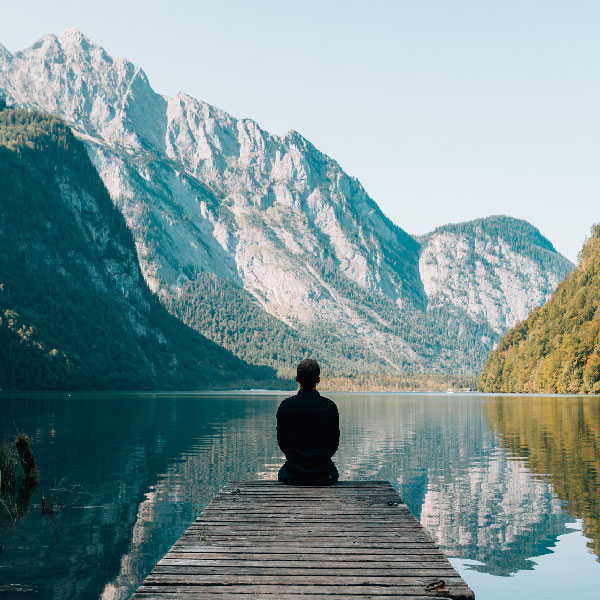
British Columbia is often described as one of the most visually stunning places in the world, but its value goes far beyond tourism. The province’s wild landscapes, from towering mountain ranges to peaceful coastal waters and ancient forests, offer something deeper: a chance to slow down, reset, and reconnect with yourself. For individuals navigating addiction recovery or mental health challenges, these environments can support emotional balance, reduce stress, and create space for meaningful reflection. When paired with professional treatment and holistic care, time in nature becomes a powerful part of healing and renewal.
The Connection Between Nature and Mental Health
Nature has a direct and measurable impact on mental well-being. Studies consistently show that time spent outdoors can reduce anxiety, improve mood, and support emotional regulation. For those in addiction recovery, these benefits are especially important because recovery often involves rebuilding stability, managing triggers, and learning new coping strategies.
British Columbia’s diverse environments naturally support this process. Whether it is the quiet of a forest trail or the vast openness of a mountain viewpoint, each setting encourages calm and mental clarity.
Forest Environments That Support Emotional Grounding
BC’s forests are among the most restorative natural spaces in the world. Walking among tall cedar and fir trees creates a sense of grounding that helps calm the nervous system. The natural rhythm of walking, combined with the quiet surroundings, encourages mindfulness and present moment awareness.
Mindfulness is a key component in both mental health treatment and addiction recovery programs. It helps individuals recognize thoughts and emotions without becoming overwhelmed by them. Forest environments make this practice feel natural and accessible.
Water Landscapes That Encourage Reflection
British Columbia is also known for its lakes, rivers, and expansive coastline. These water environments have a calming effect on the mind and body. The sound of waves or stillness of a lake can slow racing thoughts and support emotional regulation.
For individuals in inpatient or outpatient care, spending time near water can reinforce therapeutic tools such as grounding techniques, breathing exercises, and reflective journaling. These quiet moments often help individuals gain clarity about their recovery journey.
How BC’s Landscapes Support Recovery and Renewal
Recovery is not only about stopping harmful behaviors. It is about rebuilding a sense of identity, purpose, and emotional strength. Nature provides a supportive environment for this transformation.
Building Resilience Through Outdoor Experiences
Exploring BC’s wild landscapes often involves physical and mental challenges. Hiking steep trails, navigating uneven terrain, or simply exploring unfamiliar areas requires focus and determination.
These experiences build resilience, which is essential in recovery. Each small achievement outdoors reinforces the idea that progress is possible, even when challenges arise. This mindset is directly transferable to everyday life and long term recovery goals.
Replacing Stress Patterns With Healthy Activities
Outdoor activities offer a positive alternative to unhealthy coping mechanisms. Walking, hiking, cycling, or kayaking encourage movement, fresh air, and engagement with the environment.
These activities naturally release endorphins, reduce stress, and improve mood. Over time, they help individuals develop healthier routines that support emotional stability and overall well-being.
The Role of Holistic and Faith-Based Care in Healing
Many treatment approaches, including those offered through Infobonos, emphasize holistic and individualized care. This means treating the whole person rather than focusing only on symptoms.
British Columbia’s natural landscapes align with this approach by encouraging reflection, gratitude, and emotional awareness. For some, these environments also support spiritual growth and faith-based reflection, offering a deeper sense of meaning during recovery.
Group outdoor experiences or guided wellness activities can also foster connection. Healthy relationships play a critical role in recovery by reducing isolation and providing emotional support.
Integrating Nature With Professional Treatment
While nature offers powerful benefits, it is most effective when combined with structured treatment. Professional addiction recovery and mental health care provide the tools, guidance, and support needed for long term healing.
When individuals engage in both therapeutic care and meaningful time in nature, they often experience improved emotional regulation, greater self-awareness, and increased motivation for change.
Conclusion
British Columbia’s wild landscapes offer far more than scenic travel experiences. They provide space for mental clarity, emotional renewal, and personal transformation. For individuals facing addiction or mental health challenges, these environments can support healing by reducing stress, encouraging mindfulness, and strengthening resilience.
However, true recovery is built on both internal growth and professional support. If you or someone you love is struggling, reaching out for help is an important first step. With compassionate, individualized care and supportive environments, lasting recovery and a renewed sense of purpose are possible.