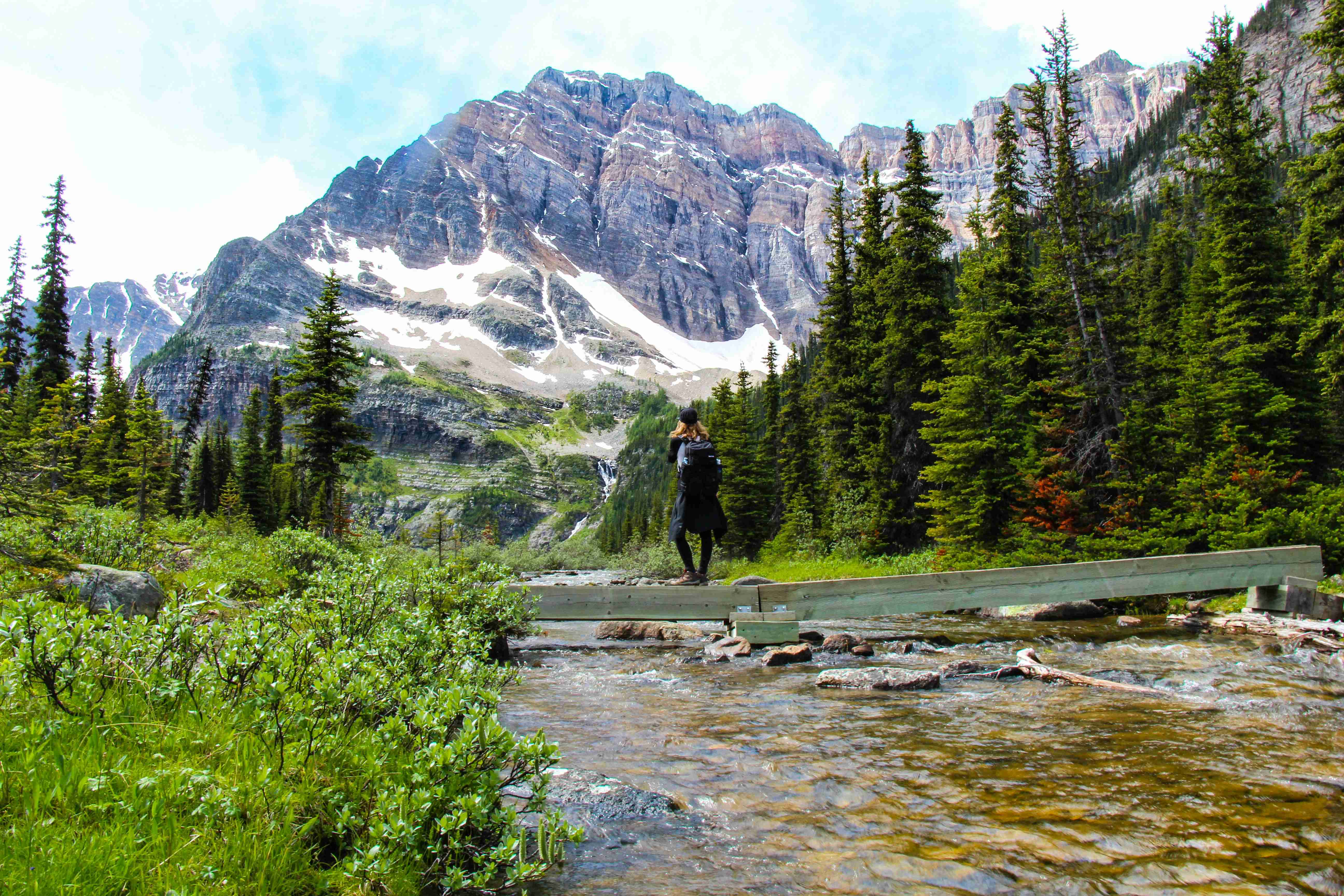
British Columbia gives travelers something that is increasingly difficult to find in everyday life: space to slow down, breathe, think, and reconnect with what matters. From mountain trails and quiet forests to peaceful lakes and the Pacific coastline, BC offers experiences that can support healthy living, emotional balance, and personal reflection. For someone dealing with stress, unhealthy coping patterns, addiction recovery, or mental health challenges, time in nature can be especially meaningful. It does not replace professional treatment, but it can complement recovery by encouraging movement, mindfulness, healthier routines, and a renewed sense of perspective.
Why Visit British Columbia for Wellness and Reconnection?
Modern life can keep people constantly occupied. Work, family responsibilities, technology, financial concerns, social pressure, and personal challenges can leave little time for genuine reflection. Over time, that constant pressure can affect emotional health and contribute to unhealthy coping behaviors.
British Columbia offers a different environment. A person can spend the morning walking through a forest, explore a mountain trail in the afternoon, and end the day beside the Pacific Ocean. This variety allows travelers to combine activity with quiet time and choose experiences that match their physical abilities, interests, and emotional needs.
For people in addiction recovery, that flexibility can be useful. Recovery is not only about stopping substance use. It also involves developing healthier ways to manage stress, spend free time, process emotions, and build a meaningful daily life.
Nature Can Create Space for Mindfulness
One of the most valuable reasons to visit British Columbia is the opportunity to step away from constant stimulation.
Slow Down and Pay Attention
A walk through a forest or along a shoreline can become a simple mindfulness exercise. Instead of checking your phone or thinking about everything that needs to be done, focus on what is happening around you.
Notice your breathing. Listen to the wind moving through the trees. Pay attention to your footsteps, the temperature of the air, or the sound of water.
This may sound simple, but learning to pause can be important during addiction recovery. Cravings, anxiety, anger, and other difficult emotions can create an urge to react immediately. Mindfulness can help a person recognize what is happening internally before automatically returning to an old behavior.
The goal is not to eliminate difficult thoughts. It is to create enough awareness to respond differently.
Mountains Can Remind Us That Progress Takes Time
British Columbia’s mountains are one of its defining attractions, but they can also offer a practical reminder about patience and persistence.
Focus on the Next Step
A challenging trail can seem overwhelming when viewed from the beginning. Once you start walking, however, the task becomes more manageable. You focus on the next section of the trail, manage your energy, and keep moving.
Recovery often works in much the same way.
Someone recovering from addiction may need to address substance use, mental health concerns, relationships, daily routines, employment, physical health, and other areas of life. Trying to solve everything at once can feel impossible.
Instead, focus on the next healthy decision.
That might mean attending a counseling session, speaking honestly with a family member, following a treatment plan, getting enough sleep, or asking for professional help.
Choose Adventure That Fits Your Needs
Adventure should support wellness rather than create additional pressure. If you are hiking, choose a route appropriate for your fitness level and experience. Check weather and trail conditions, carry enough water, and make safety a priority.
You do not need to climb a difficult mountain to benefit from being outdoors. A short walk can provide meaningful physical activity and a valuable change of environment.
Forests and Lakes Offer Quiet Places to Reflect
British Columbia’s forests and lakes provide natural settings for slowing down and thinking more clearly.
Turn a Walk Into a Personal Reset
Try taking a walk without headphones or constant phone use. Give yourself permission to move at a comfortable pace without worrying about distance or speed.
As you walk, consider a few questions:
- What habits are helping me become healthier?
- What situations create unnecessary stress?
- Which relationships support my recovery?
- What unhealthy patterns do I want to leave behind?
- What kind of support do I need right now?
You do not have to answer everything immediately. Sometimes creating quiet space is enough to recognize what needs attention.
Make Room for Journaling and Spiritual Reflection
A peaceful outdoor setting can also provide an opportunity for journaling, prayer, meditation, or gratitude.
For people who value faith, spiritual reflection can become part of a broader recovery process. Faith based care may provide meaning, hope, connection, and a sense of purpose when it aligns with the individual’s beliefs. It can also be integrated with professional addiction and mental health treatment rather than treated as a replacement for clinical care.
The Pacific Coast Can Help Put Life Into Perspective
British Columbia’s Pacific coastline provides a different kind of experience. The wide horizon, fresh air, beaches, rocky shorelines, and steady rhythm of the ocean can encourage people to slow down.
Give Yourself Permission to Pause
A coastal walk does not need a complicated itinerary.
Put your phone away for a while. Walk slowly. Listen to the waves. Notice the air and the changing scenery. Allow yourself to experience the moment without trying to accomplish something.
For someone experiencing emotional exhaustion, this kind of pause can provide useful perspective.
The problems waiting at home will not disappear because you traveled. However, stepping away from familiar pressures can create enough mental space to consider those problems differently and think about healthier responses.
Outdoor Activities Can Support Healthier Recovery Habits
Addiction can become connected to routines, environments, relationships, and specific times of day. Recovery therefore often requires more than removing substances. It involves creating new patterns that support a healthier life.
Replace Old Patterns With Positive Activities
British Columbia provides many opportunities to discover interests that have nothing to do with substance use.
Consider activities such as:
- Hiking
- Walking
- Cycling
- Kayaking
- Photography
- Wildlife observation
- Camping
- Sightseeing
- Spending time with supportive friends outdoors
These activities are not treatments for addiction by themselves. However, they can become part of a lifestyle that supports recovery.
For example, someone who previously spent evenings drinking alone might begin developing a different routine that includes exercise, time outdoors, a healthy meal, a conversation with a supportive person, journaling, and restful sleep.
Small changes can eventually reshape daily life.
Choose Activities You Can Maintain
Recovery benefits from consistency. The same principle applies to wellness.
You do not need an intense adventure every weekend. A short walk that you enjoy and can repeat regularly may be more useful than an ambitious activity that quickly becomes overwhelming.
The goal is to create habits that fit your actual life.
Nature Should Complement Professional Addiction Treatment
A trip to British Columbia can provide space for reflection and healthier living, but changing your surroundings alone cannot resolve addiction or significant mental health concerns.
People dealing with substance use disorders, depression, anxiety, trauma, or other serious emotional challenges may need professional assessment and structured care. Comprehensive recovery may include addiction recovery services, mental health treatment, counseling, family support, relapse prevention, and other therapeutic interventions.
Inpatient and Outpatient Care Meet Different Needs
Some individuals require the structure and stability of inpatient treatment, particularly when they need a controlled environment and consistent professional support.
Others may benefit from outpatient treatment while continuing to manage work, family responsibilities, or other aspects of daily life.
There is no single treatment setting that works for everyone. The appropriate level of care depends on individual circumstances, clinical needs, history, and recovery goals.
Individualized Care Matters
Addiction affects people differently. Two individuals can struggle with the same substance while having completely different backgrounds, triggers, mental health concerns, relationships, and support systems.
Individualized treatment takes those differences seriously.
A personalized recovery plan may address substance use alongside emotional health, physical wellness, family relationships, stress management, lifestyle habits, and personal values. This whole-person perspective can help someone build skills that remain useful beyond formal treatment.
Bring the Lessons of British Columbia Home
The most meaningful part of a wellness trip may not be what happens while you are traveling. It may be what you continue doing after you return home.
Create Your Own Daily Connection With Nature
You do not need mountains or an ocean outside your front door.
Try taking a short walk each morning. Spend time in a local park. Eat a meal outdoors. Put your phone away for a few minutes. Keep a journal. Practice slow breathing. Make time for prayer or quiet reflection if faith is important to you.
You can also invite someone you trust to join you. Healthy relationships are an important part of recovery, and shared activities can make positive routines easier to maintain.
Pay Attention to What Helps You Feel Grounded
Your experience in British Columbia may teach you something about yourself.
Perhaps walking helps reduce stress. Maybe being near water gives you perspective. You may discover that physical activity improves your mood or that quiet reflection helps you understand your emotions.
Those observations can become practical recovery tools.
Conclusion: Let Your Next Step Be a Healthier One
So, why visit British Columbia? The answer can be more meaningful than scenery alone. Its mountains can remind you that progress takes time. Its forests can create space for mindfulness. Its lakes can encourage reflection. Its outdoor activities can introduce healthier ways to spend your time. Its Pacific coastline can offer a quiet place to step back from everyday pressure.
For someone facing addiction or mental health challenges, however, a beautiful destination is only one part of the picture. Lasting recovery may require professional treatment, individualized care, supportive relationships, healthy coping strategies, and ongoing attention to emotional and physical well-being.
If addiction, emotional distress, or unhealthy coping patterns are affecting your life, consider reaching out for professional support. Inpatient care, outpatient treatment, mental health services, holistic practices, and faith based approaches can each have a place when they fit an individual’s needs and values.
You do not have to change everything today. Start with one honest conversation, one healthy choice, or one step toward getting the support you need. British Columbia can give you the space to pause and reconnect. What matters most is taking that renewed perspective with you and using it to build a healthier life.