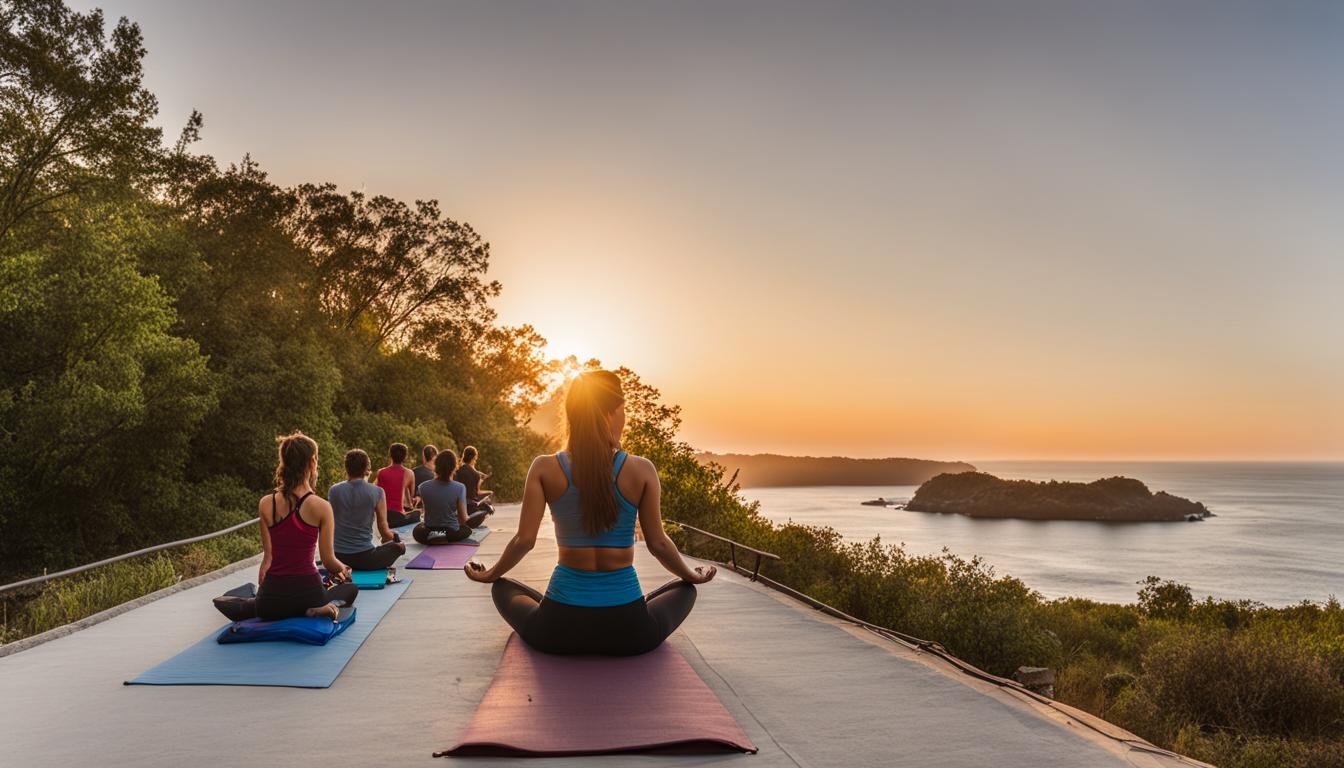
British Columbia offers an ideal setting for travelers who want more than a traditional vacation. With its rugged mountain ranges, peaceful forests, sparkling lakes, and dramatic Pacific coastline, BC provides countless opportunities to enjoy outdoor adventure while supporting a healthier lifestyle. Spending time in nature can encourage physical activity, reduce everyday distractions, and create room for reflection. For people managing stress, emotional exhaustion, or addiction recovery, these experiences can also reinforce healthy habits and a stronger connection with themselves. Although outdoor activities cannot replace professional treatment, they can complement a balanced approach to mental, physical, and emotional well-being.
Why Choose British Columbia for a Wellness Escape?
Everyday responsibilities can make it difficult to prioritize personal health. Work demands, family obligations, financial pressure, and constant digital notifications can leave people feeling overwhelmed. Over time, stress may contribute to poor sleep, isolation, and unhealthy coping behaviors.
A trip through British Columbia offers a chance to change the pace. Instead of spending every day indoors or rushing between commitments, visitors can explore natural landscapes, move their bodies, and make time for meaningful experiences.
For people in addiction recovery, a change of scenery can also create opportunities to practice healthier routines. Walking, journaling, spending time with supportive people, and enjoying alcohol-free activities can help make wellness a regular part of daily life.
The most valuable escape is not necessarily the most expensive or adventurous one. It is an experience that helps you return home with renewed energy and practical habits you can maintain.
1. Explore Mountain Trails and Build Confidence
British Columbia’s mountains offer outdoor experiences for different interests and fitness levels. From gentle walking paths to challenging hiking routes, visitors can choose an adventure that matches their abilities.
Make Progress One Step at a Time
Hiking requires patience, preparation, and attention to the path ahead. These qualities also matter when someone is working toward better mental health or long-term recovery.
Recovery rarely happens all at once. It often involves small decisions repeated over time, such as attending counseling, following a treatment plan, rebuilding relationships, and learning healthier ways to manage difficult emotions.
A mountain walk can serve as a useful reminder that steady progress matters more than speed.
Start with a manageable trail, bring sufficient water, check the weather, and wear appropriate footwear. If you are new to hiking, choose a well-marked route and avoid pushing yourself beyond your comfort level.
You do not need to reach a summit to benefit from the experience. Simply getting outside and completing a walk can be a worthwhile achievement.
2. Find Calm in British Columbia’s Forests
Forests offer a different kind of adventure. The shade of tall trees, the scent of vegetation, and the sound of birds create an environment where visitors can step away from the noise of everyday life.
Practice Mindful Walking
Mindfulness means paying attention to the present moment without immediately judging or reacting to every thought that appears.
During a forest walk, notice the rhythm of your breathing, the sensation of your feet touching the ground, and the sounds around you. When your mind returns to work, worries, or unfinished tasks, gently bring your attention back to the surroundings.
This practice can be useful for people learning to manage stress or recognize emotional triggers.
In addiction recovery, uncomfortable feelings and cravings can sometimes lead to automatic reactions. Mindfulness may help individuals notice those experiences and use coping strategies before acting on an impulse. It is one supportive skill among many, rather than a standalone treatment for addiction.
Even a short walk in a local park can help you practice this habit at home.
3. Spend Time Beside Lakes and Rivers
British Columbia’s lakes and rivers provide opportunities for swimming where permitted, kayaking, photography, fishing, and quiet reflection. These environments can make it easier to slow down and enjoy an experience without feeling pressured to accomplish something.
Use Quiet Moments to Reflect
Choose a safe place beside the water and spend a few minutes without checking your phone. You might write in a journal, think about a personal goal, or simply observe the movement of the water.
Consider asking yourself a few practical questions:
- What habits are helping me feel healthier?
- What situations tend to increase my stress?
- Who can I turn to when I need support?
- What positive activity would I like to make part of my weekly routine?
Reflection can help turn a relaxing trip into an opportunity for personal growth.
If you are in recovery, consider planning activities that do not revolve around alcohol or other substances. Outdoor photography, a daytime picnic, or a peaceful walk with a trusted friend can help create enjoyable experiences that support sobriety.
4. Enjoy the Pacific Coast at a Slower Pace
British Columbia’s Pacific coastline offers a refreshing combination of ocean views, beaches, coastal trails, and seaside communities. The setting encourages visitors to slow down, enjoy the fresh air, and appreciate experiences that may otherwise get lost in a busy schedule.
Make Time for Rest and Perspective
Wellness is not only about staying active. Rest is also essential.
A coastal walk, an afternoon watching the waves, or a quiet moment on a beach can provide a welcome break from constant demands. These experiences may help you recognize when you need rest, stronger boundaries, or more support in everyday life.
For someone experiencing burnout or emotional fatigue, this awareness is important. Ignoring stress rarely makes it disappear. Recognizing it early can help you take practical steps, whether that means adjusting your routine, talking with someone you trust, or seeking professional guidance.
When exploring coastal areas, respect local conditions, follow posted safety guidance, and be mindful of changing tides and weather.
5. Replace Unhealthy Routines With Outdoor Activities
One of the most useful benefits of an outdoor escape is the opportunity to discover activities that can continue long after the trip ends.
Addiction can become connected to particular environments, social situations, or daily routines. Building a healthier lifestyle often means creating new ways to spend time, manage stress, and connect with others.
Find Activities You Genuinely Enjoy
British Columbia offers plenty of possibilities, including:
- Hiking and recreational walking
- Cycling on suitable routes
- Kayaking with proper equipment and supervision where needed
- Wildlife observation
- Landscape photography
- Camping in designated areas
- Exploring local parks and coastal communities
Choose activities that suit your abilities and interests. If strenuous exercise feels intimidating, begin with a short walk or a gentle outdoor excursion.
Consistency matters more than intensity. A simple activity you enjoy and repeat regularly can become a valuable part of your wellness routine.
Create a Plan for Returning Home
Before your trip ends, choose one or two habits you want to continue. You might schedule three short walks each week, spend less time on your phone in the evening, or arrange a regular outdoor activity with a friend.
For people in recovery, these routines can provide structure and positive alternatives during unoccupied time. They work best alongside a broader recovery plan that includes appropriate treatment, emotional support, and strategies for handling cravings or triggers.
6. Understand the Connection Between Physical and Mental Wellness
Outdoor activity can support several aspects of health. Regular movement can contribute to better sleep, improved physical fitness, and stress management. Time outside can also create opportunities for social connection and a break from repetitive thoughts.
However, wellness involves more than physical activity alone.
Support Your Mind, Body, and Emotional Health
A balanced lifestyle includes adequate sleep, nourishing meals, meaningful relationships, enjoyable activities, and ways to manage stress. For some people, spiritual practices such as prayer, gratitude, or meditation also provide comfort and purpose.
A holistic approach considers how these different areas affect one another.
For example, someone who is struggling emotionally may also experience disrupted sleep, low energy, and difficulty maintaining relationships. Addressing these challenges together can provide a more complete foundation for recovery.
Outdoor experiences can contribute to this process, but they should be adapted to each person’s circumstances. People with significant health concerns or physical limitations should choose activities appropriate to their needs.
7. Recognize When Professional Recovery Support Is Needed
A vacation can offer perspective, but it cannot resolve every challenge. Addiction and mental health conditions may require professional assessment, ongoing therapy, and structured support.
If substance use is affecting your health, relationships, responsibilities, or ability to manage daily life, consider speaking with a qualified healthcare professional.
Explore Individualized Treatment Options
Treatment should reflect the person’s needs, history, goals, and circumstances.
Inpatient care may be appropriate for individuals who need a structured treatment environment and more intensive support. Outpatient programs allow eligible individuals to receive treatment while continuing to manage certain responsibilities at home or in the community.
Depending on the situation, care may include individual counseling, group therapy, family support, relapse prevention planning, mental health services, or medically supervised withdrawal management.
For people who value spirituality, faith-based support may also contribute to a sense of meaning and connection. Prayer, spiritual reflection, and supportive faith communities can complement evidence-based treatment when they align with an individual’s beliefs and preferences.
No single approach works for everyone. A qualified professional can help determine what level of care and combination of services may be appropriate.
Conclusion: Make Your BC Escape the Start of Healthier Habits
The ultimate British Columbia escape combines adventure, relaxation, and opportunities to reconnect with what matters. Mountain trails encourage persistence. Forests provide space for mindfulness. Lakes invite reflection, while the Pacific coast offers a slower pace and a fresh perspective.
These experiences can support a healthier lifestyle by making movement, rest, and personal reflection part of everyday life. They can also provide enjoyable alternatives to routines that no longer serve your well-being.
For individuals facing addiction or mental health challenges, outdoor activities are most effective as one part of a wider support system. Professional treatment, personalized recovery planning, supportive relationships, and consistent self-care can help build a stronger foundation for lasting change.
You do not have to wait for a major trip to begin. Take a walk, reconnect with someone you trust, or make time for an activity that helps you feel grounded. If addiction or emotional distress is affecting your life, reach out to a qualified professional and explore the support available to you.
British Columbia can offer a welcome opportunity to pause and reset. The next step is to bring that renewed commitment to wellness into your everyday life.