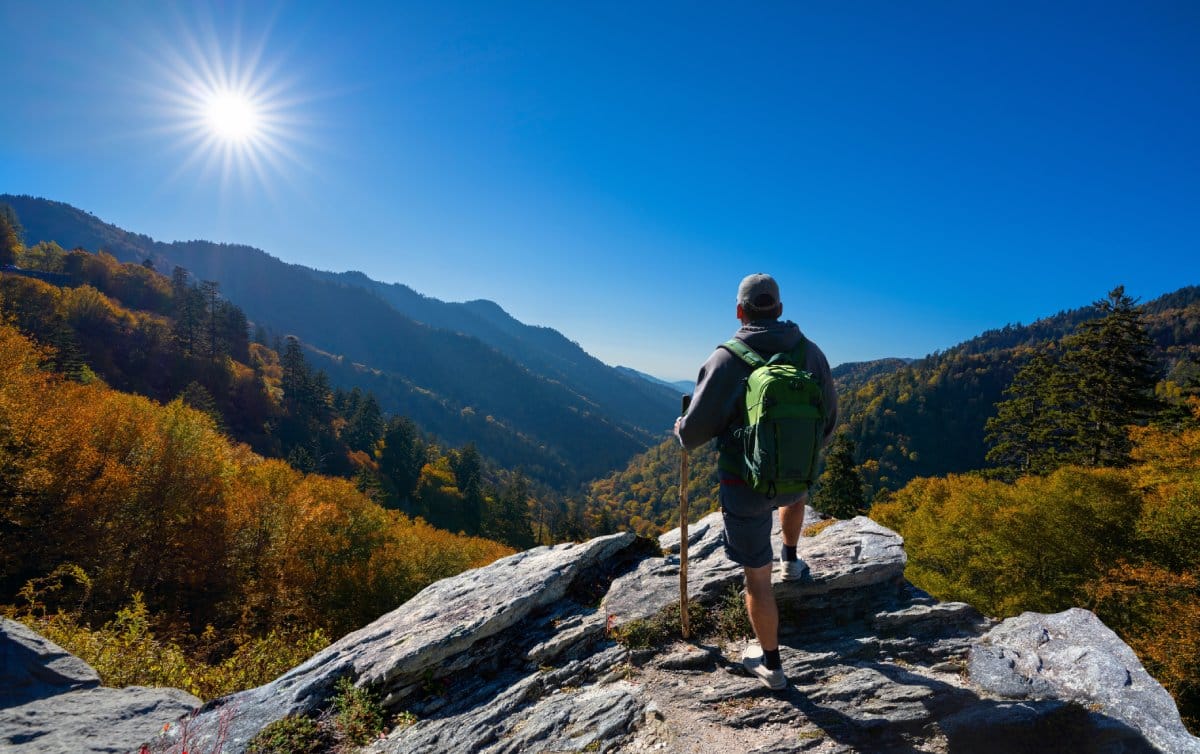
British Columbia is a destination where rugged wilderness, outdoor adventure, and remarkable natural beauty come together. From towering mountain ranges and ancient forests to clear alpine lakes and the Pacific coastline, BC offers experiences that go far beyond checking destinations off a travel list. Exploring these landscapes can encourage physical activity, create space for reflection, and help travelers reconnect with the experiences that make life meaningful. For people managing stress, improving their mental well-being, or building healthier habits during addiction recovery, time in nature can also offer a welcome change of pace. With thoughtful planning, a trip through British Columbia can become an opportunity to discover new places while supporting a healthier lifestyle.
1. Discover Mountain Landscapes That Inspire Adventure
British Columbia’s mountains are among its most recognizable natural features. Their dramatic peaks, scenic valleys, and extensive trail networks attract hikers, photographers, climbers, and travelers who want to experience the outdoors firsthand.
Find an Adventure That Matches Your Abilities
One of the best things about exploring BC is that adventure does not have to mean taking on a difficult climb. Visitors can choose gentle walking trails, scenic viewpoints, guided excursions, or more demanding hikes depending on their experience and fitness.
Time spent outdoors can also provide a useful reminder about personal progress. Reaching a viewpoint often requires patience, preparation, and steady movement. Those same qualities can be valuable when working toward personal goals or developing healthier routines.
For people in addiction recovery, progress may involve attending counseling, following a treatment plan, rebuilding relationships, and learning to manage stress without relying on substances. Each step matters, even when the overall journey feels challenging.
Choose a safe route, check local conditions, carry enough water, and allow time to rest. The purpose is to enjoy the experience, not to push beyond your limits.
2. Walk Through Forests That Encourage Mindfulness
BC’s forests offer a different kind of outdoor experience. Tall trees, shaded paths, birdsong, and the scent of the forest floor create an environment that invites visitors to slow down and pay attention.
Turn an Ordinary Walk Into a Mindful Experience
Mindful walking is a simple way to become more aware of the present moment. Instead of rushing toward a destination, notice your breathing, the rhythm of your steps, and the sounds around you.
When your thoughts return to work, family responsibilities, or personal worries, gently redirect your attention to your surroundings.
This practice can help you recognize thoughts and feelings without immediately reacting to them. For someone working through stress or addiction recovery, that pause can be useful when difficult emotions or cravings arise.
Mindfulness is not a cure for addiction, and it does not replace therapy or other treatment. However, it can be one practical coping skill within a broader recovery plan.
Even after your trip, you can continue the habit with a short walk through a neighborhood park or a nearby green space.
3. Experience the Peace of Alpine Lakes and Clear Rivers
British Columbia’s lakes and rivers offer opportunities for kayaking, fishing, photography, lakeside picnics, and quiet moments away from busy tourist areas. The setting can be especially appealing to travelers who want to balance adventure with relaxation.
Make Time for Reflection
Travel often creates opportunities to step outside familiar routines. Sitting beside a lake or watching a river move through a valley can provide time to think about what matters most.
You might use a journal to explore a few questions:
- What parts of my daily routine support my well-being?
- What situations leave me feeling stressed or overwhelmed?
- Which people help me feel supported and understood?
- What healthy activity would I like to make more time for?
- What changes could help me feel more balanced when I return home?
These questions can be valuable for anyone seeking greater clarity. They may be particularly helpful for people working to understand emotional triggers or develop healthier coping strategies.
Reflection does not need to lead to immediate answers. Sometimes, simply recognizing what has been difficult is a meaningful starting point.
4. Explore the Pacific Coast and Its Rugged Beauty
British Columbia’s Pacific coastline offers a striking mix of rocky shores, sandy beaches, coastal forests, and communities shaped by their connection to the ocean. Visitors can enjoy scenic drives, coastal walks, wildlife observation, and opportunities to learn about local culture.
Give Yourself Permission to Slow Down
A coastal visit does not need to be packed with scheduled activities. Spend time walking along the shore, observing the changing light, or enjoying a quiet meal with a view of the water.
For people who feel stretched by everyday responsibilities, making room for rest can be an important lesson. Constant activity may leave little time to notice exhaustion, anxiety, or the need for support.
A slower travel experience can encourage healthier boundaries and remind visitors that rest is part of a balanced lifestyle.
Before heading out, check local weather and tide information, follow posted guidance, and remain aware of changing coastal conditions.
5. Find Wildlife and Natural Wonders Beyond the Usual Tourist Stops
British Columbia’s varied ecosystems support a remarkable range of wildlife and natural habitats. Depending on the region and season, visitors may encounter whales, eagles, bears, deer, and other species in their natural environments.
Travel With Respect for Nature
Wildlife viewing can make a trip more memorable, especially when approached with patience and respect. Choose responsible guided tours when appropriate, follow local rules, and keep a safe distance from animals.
Avoid feeding wildlife or approaching animals for photographs. Respecting their space protects both visitors and the environment.
Nature observation also encourages people to pay attention to details they might otherwise overlook. Watching birds, photographing wildflowers, or noticing changes in the landscape can turn an ordinary outing into a rewarding experience.
These activities offer accessible ways to spend time outdoors without requiring strenuous exercise. They can also become lasting hobbies that encourage regular movement, curiosity, and time away from screens.
6. Build Healthier Habits Through Outdoor Recreation
A trip to British Columbia can introduce visitors to activities that continue to bring enjoyment long after they return home. Hiking, cycling, walking, photography, camping, and kayaking can all provide alternatives to spending free time in ways that no longer support personal well-being.
Create Positive Routines That Last
For people recovering from addiction, developing a new routine can be an important part of maintaining progress. Substance use may become connected to particular times, places, social situations, or ways of handling stress. Building a healthier lifestyle often involves finding new activities and learning different ways to respond to difficult emotions.
Outdoor recreation can help create those alternatives.
For example, someone who wants to avoid a familiar high-risk situation might plan a daytime hike with a supportive friend, join a walking group, or schedule regular time at a local park.
The key is to choose activities that are enjoyable and realistic. You do not need to become an experienced hiker or athlete to benefit from movement and connection.
A simple weekly routine can make a difference when it supports other recovery goals, including counseling, medical care when needed, and ongoing social support.
7. Use Your Wilderness Escape to Reconnect With What Matters
Perhaps the most meaningful reason to explore British Columbia is the chance to step away from familiar pressures and consider what you want your life to look like.
Travel can create space to reflect on personal values, relationships, health, and future goals. However, lasting change usually develops through the choices people make after the trip, not just through the experience itself.
Bring the Benefits of Your Trip Home
Before returning to your usual routine, identify one or two habits you would like to maintain. You might decide to take a short walk every morning, spend less time on your phone, keep a journal, or make regular plans with people who support your well-being.
For some people, spiritual reflection, prayer, or gratitude can also provide a meaningful part of this routine. Faith-based practices may offer a sense of hope and connection when they align with personal beliefs.
These habits are most helpful when they fit your circumstances and complement any professional support you need.
How Nature Can Complement Addiction Recovery and Mental Health Care
Outdoor experiences can support physical activity, mindfulness, and healthy routines, but they cannot replace treatment for addiction or significant mental health concerns.
People experiencing substance use problems, persistent anxiety, depression, trauma, or other challenges may benefit from professional assessment and individualized care.
Understand Your Treatment Options
Depending on a person’s needs, addiction recovery services may include counseling, group therapy, relapse prevention planning, family support, and treatment for co-occurring mental health conditions.
Inpatient treatment can provide a structured environment and more intensive support for people who need it. Outpatient care allows eligible individuals to receive treatment while continuing to manage certain responsibilities at home or in the community.
Some people may also require medically supervised withdrawal management or specialized mental health care. A qualified healthcare professional can help determine an appropriate level of support.
A holistic approach considers physical health, emotional well-being, relationships, stress, and personal values. Faith-based support may also be meaningful for individuals who want spirituality to be part of their recovery. These approaches can complement evidence-based treatment when appropriate.
Most importantly, care should be individualized. Each person’s history, needs, circumstances, and goals are different, so there is no single path that works for everyone.
Conclusion: Make Your British Columbia Adventure Count
British Columbia’s rugged wilderness offers many reasons to go beyond the usual travel bucket list. Its mountains inspire adventure, its forests encourage mindfulness, its lakes provide room for reflection, and its Pacific coastline invites visitors to slow down. Wildlife encounters and outdoor recreation add even more opportunities to explore the province while developing a deeper appreciation for the natural world.
These experiences can also encourage healthier habits, stronger self-awareness, and a renewed commitment to personal well-being. For people managing addiction recovery or mental health challenges, time in nature can be a valuable part of a broader support system.
If you are planning a visit, choose activities that suit your abilities, make time for rest, and consider which experiences you can carry into everyday life. If addiction or emotional distress is affecting you or someone you care about, consider reaching out to a qualified professional to discuss appropriate treatment and support.
A memorable journey does not have to change everything at once. Sometimes, it begins with a new trail, a quiet moment outdoors, or one practical step toward a healthier future.