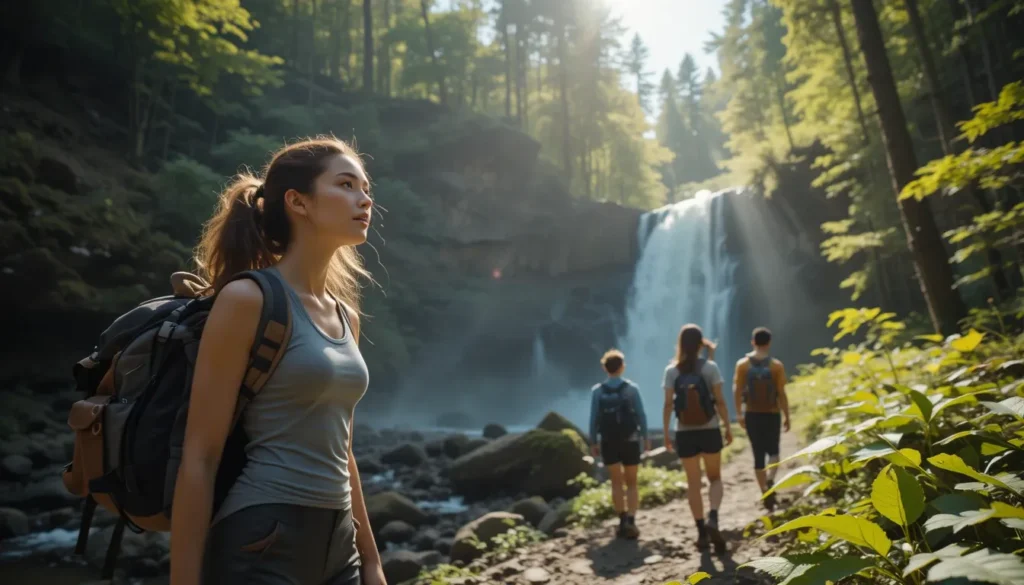
British Columbia is a destination where dramatic mountains, ancient forests, peaceful lakes, and rugged coastlines create more than memorable scenery. They offer space to slow down, breathe, reflect, and reconnect with healthier priorities. For travelers dealing with everyday stress, emotional exhaustion, or the challenges associated with addiction recovery, time in nature can complement healthy routines and professional support. From a quiet forest walk to an invigorating mountain hike, the right outdoor experience can encourage mindfulness, resilience, and a renewed sense of hope.
For anyone interested in wellness travel, British Columbia provides countless ways to combine adventure with reflection. The key is not simply seeing as much as possible. Instead, it is choosing experiences that support physical health, emotional balance, and meaningful connection.
Why Nature Can Support Wellness and Recovery
Recovery is a whole person journey. It can involve physical health, mental health, relationships, personal values, spirituality, and the development of healthier ways to handle stress. Spending time outdoors cannot replace professional addiction treatment or mental health care, but it can complement those efforts.
British Columbia is especially suited to this approach because its landscapes encourage both activity and stillness.
Nature Creates Room to Slow Down
Daily responsibilities can make it difficult to recognize when stress is becoming overwhelming. A peaceful natural environment creates an opportunity to step away from constant demands and pay attention to the present.
Walking beside a lake, listening to a river, or sitting beneath towering trees can provide a simple break from digital distractions. These moments may help people reflect on what they need and what they want to change.
Outdoor Activities Encourage Healthy Habits
Healthy recovery involves developing routines that support long term well being. Outdoor activities provide enjoyable ways to incorporate movement, fresh air, mindfulness, and social connection into everyday life.
With that foundation in mind, here are seven rugged British Columbia adventures that can inspire wellness, reflection, and renewal.
1. Hike Through British Columbia’s Mountain Landscapes
Mountain hiking is one of the most rewarding ways to experience British Columbia. Trails range from gentle walks to demanding climbs, so travelers can choose an experience that matches their physical ability and comfort level.
Build Resilience One Step at a Time
A challenging hike offers a useful reminder that progress does not happen all at once. A steep trail may require patience, rest, and persistence before reaching the destination.
That lesson can resonate strongly with people in addiction recovery. Recovery also involves taking one step at a time, learning from setbacks, and continuing forward. Reaching a viewpoint after a difficult climb can provide a tangible reminder that consistent effort matters.
Safety should always come first. Choose trails appropriate for your experience, check weather conditions, carry adequate water, and let someone know your plans.
2. Explore Ancient Forests With a Mindful Walk
British Columbia’s forests provide an entirely different kind of adventure. Instead of focusing on speed or distance, travelers can use a forest walk to practice being fully present.
Turn a Walk Into a Mindfulness Practice
Pay attention to the sound of leaves, the texture of tree bark, the movement of branches, and the rhythm of your breathing. Put the phone away when practical and allow yourself to notice your surroundings.
Mindful walking can become a simple coping strategy that people continue using after a trip. For someone working through stress or recovery, learning to pause before reacting to difficult emotions can be an important skill.
3. Spend Quiet Time Beside a British Columbia Lake
The province is home to countless lakes surrounded by mountains and forests. These peaceful settings offer an ideal place to slow down.
Use Water as a Place for Reflection
Bring a journal and spend a few quiet minutes writing about what is going well, what feels difficult, and what you hope to accomplish next. You could also practice deep breathing, read, pray, or simply sit quietly.
For people who incorporate faith into their recovery, peaceful outdoor settings can provide valuable opportunities for prayer and spiritual reflection.
The goal is not to force a profound experience. Sometimes wellness begins with simply giving yourself permission to be still.
4. Walk Along the Pacific Coast
British Columbia’s coastline offers expansive views, fresh air, and the steady rhythm of the Pacific Ocean.
Let the Ocean Encourage Perspective
A coastal walk can be an opportunity to release some of the mental noise that accumulates during stressful periods. Focus on your surroundings rather than trying to solve every problem at once.
This kind of intentional pause can help create emotional space. When you return to daily responsibilities, you may have a clearer understanding of which concerns require immediate attention and which ones can wait.
5. Try a Gentle Outdoor Cycling Adventure
Cycling offers an excellent balance between physical activity and exploration. Travelers can choose a comfortable route and experience their surroundings at a slower pace than they would from a vehicle.
Make Movement Part of Wellness
Physical activity can support mood, sleep, energy, and stress management. For people rebuilding their routines during recovery, enjoyable exercise can also provide a healthy alternative to old habits.
There is no need to turn the experience into a competition. Choose a manageable route, take breaks, enjoy the scenery, and focus on how movement makes you feel.
6. Experience British Columbia by Kayak or Paddleboard
For travelers who enjoy being on the water, kayaking and paddleboarding provide a memorable way to experience British Columbia’s natural environment.
Focus on Presence and Patience
Water activities require attention. You need to observe conditions, maintain balance, and respond to your surroundings.
That focus can naturally pull attention away from racing thoughts. At the same time, learning a new skill can build confidence and encourage a sense of accomplishment.
Always follow local safety guidance and use appropriate equipment. Outdoor adventure should challenge you without putting your well being at unnecessary risk.
7. Take a Scenic Wildlife and Nature Excursion
Not every adventure needs to be physically demanding. Wildlife viewing and scenic nature excursions allow travelers to experience British Columbia while maintaining a slower pace.
Practice Wonder Without Pressure
Watching wildlife in its natural environment encourages patience. You cannot control when an animal will appear, so you have to wait, observe, and accept the experience as it unfolds.
That can be a useful reminder for anyone navigating recovery. Healing is rarely a perfectly predictable process. Progress may happen gradually, and patience with yourself is often essential.
How Nature Fits Into a Personalized Recovery Journey
Outdoor experiences can support wellness, but they should be considered part of a broader approach to recovery. Addiction and mental health concerns can involve complex emotional, physical, and social factors that deserve professional attention.
Effective care should reflect the individual rather than forcing everyone into the same treatment model.
Inpatient and Outpatient Care Offer Different Levels of Support
Some individuals need the structure of inpatient treatment while beginning recovery. Others may benefit from outpatient care that allows them to continue managing work, family, or other responsibilities.
The right level of care depends on a person’s circumstances and clinical needs. Professional guidance can help determine an appropriate path.
Holistic Care Looks Beyond the Addiction
Recovery involves more than stopping substance use. It can also mean rebuilding relationships, improving mental health, establishing healthy routines, and rediscovering purpose.
Holistic approaches can incorporate physical wellness, emotional support, mindfulness, spirituality, and other complementary practices alongside professional treatment. Faith based support may also be meaningful for individuals who draw strength from their spiritual beliefs.
Turning a British Columbia Adventure Into Lasting Wellness
A trip can provide inspiration, but lasting change comes from what you carry home.
Bring One Healthy Habit Home
Choose one practice from your adventure that you can continue in everyday life. It might be a morning walk, ten minutes of mindfulness, regular time outdoors, journaling, prayer, or a weekly technology free period.
Small habits are easier to maintain than dramatic changes. Over time, those choices can create a stronger foundation for emotional well being.
Do Not Confuse Escape With Recovery
Travel can provide distance from stress, but it does not automatically resolve addiction or mental health concerns. If substance use or emotional difficulties continue affecting your life, professional support is important.
Nature can create space for reflection. Treatment provides the structure and guidance needed to address deeper challenges.
Conclusion
British Columbia’s rugged landscapes offer countless opportunities to combine adventure with wellness. Mountain trails can teach resilience. Forests can encourage mindfulness. Lakes can create space for reflection. Coastal walks can restore perspective. Cycling, paddling, and wildlife experiences can introduce healthy activities that bring energy and curiosity back into daily life.
For someone pursuing addiction recovery or better mental health, these experiences can become meaningful complements to professional care. However, no one should feel that they have to navigate recovery alone. Individualized treatment, mental health support, holistic practices, and faith based care can provide the foundation for lasting change.
If addiction, emotional distress, or unhealthy coping patterns are making life difficult, consider reaching out for professional support. The journey toward wellness does not require one enormous leap. Like a challenging trail through British Columbia, it begins with one intentional step. With compassionate guidance and a commitment to healthier living, that step can lead toward greater resilience, renewed hope, and a more balanced future.