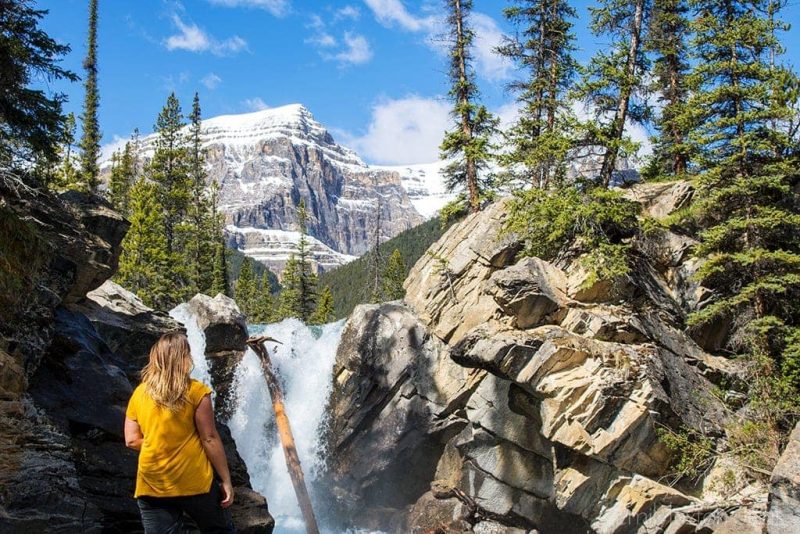
British Columbia has a way of making people slow down. With towering mountains, peaceful forests, expansive lakes, and the rugged Pacific coastline, the province offers an ideal setting for travelers who want more than sightseeing. It is a place where adventure can coexist with quiet reflection, and where time outdoors can encourage healthier routines and a renewed sense of perspective. For people experiencing chronic stress, emotional exhaustion, or the challenges of addiction recovery, a thoughtful connection with nature can support wellness while complementing professional mental health and addiction treatment.
Wellness travel is not about escaping every difficulty. Instead, it can be an opportunity to create space for reflection, reconnect with personal priorities, and practice habits that support emotional balance. British Columbia offers countless ways to do exactly that.
1. Nature Creates Space for Mental Clarity
Modern life can make it difficult to find genuine quiet. Work responsibilities, social media, digital notifications, and personal pressures can keep the mind constantly occupied.
British Columbia provides an opportunity to step away from that noise.
Forests Encourage Mindfulness
Walking among towering trees can naturally slow your pace. Instead of rushing toward the next task, you can pay attention to your breathing, footsteps, and surroundings.
This is closely connected to mindfulness, which encourages people to focus on the present rather than becoming consumed by past regrets or future worries. Mindfulness can be a useful skill during addiction recovery because it helps individuals recognize thoughts, emotions, and cravings without immediately reacting to them.
A simple forest walk can become a practical exercise in being present.
Lakes Offer a Place to Pause
British Columbia’s lakes provide peaceful environments for reading, journaling, meditation, prayer, or quiet contemplation.
These activities may seem simple, but intentional periods of stillness can help people identify what they are feeling and consider what they need. For someone navigating emotional challenges, that awareness can be an important part of making healthier choices.
2. Outdoor Adventure Encourages Resilience
Wellness is not only about relaxation. It also involves developing confidence and resilience.
British Columbia’s outdoor recreation opportunities allow travelers to challenge themselves in healthy and meaningful ways.
Hiking Makes Progress Visible
A mountain trail provides a powerful reminder that progress happens one step at a time.
Some climbs are difficult. Others are gentle. Regardless of the route, reaching a destination requires patience and consistent effort. This experience can mirror addiction recovery, where lasting progress is built through repeated healthy decisions rather than one dramatic change.
Completing a hike can also reinforce self confidence. You have evidence that you can face discomfort, remain committed, and keep moving forward.
Physical Activity Supports Emotional Wellness
Hiking, cycling, kayaking, swimming, and walking can all contribute to a healthier lifestyle.
Regular physical activity supports better sleep, energy, mood, and stress management. These benefits are particularly valuable for individuals rebuilding daily routines during recovery.
The objective does not need to be athletic achievement. Choosing an activity that feels enjoyable and sustainable is often more beneficial than pushing yourself beyond reasonable limits.
3. The Pacific Coast Invites Reflection
British Columbia’s coastline provides a dramatic contrast to its mountain landscapes. The open water, fresh air, and steady rhythm of the Pacific Ocean create an atmosphere that can feel both calming and expansive.
Ocean Views Can Change Perspective
Spending time near the ocean can encourage people to step back from immediate concerns.
A slow coastal walk, for example, gives you an opportunity to breathe deeply and observe your surroundings. Instead of trying to solve every problem at once, you can allow your mind to settle.
For someone working through addiction or mental health challenges, this type of pause can make it easier to consider long term goals rather than focusing exclusively on today’s difficulties.
4. British Columbia Makes Healthy Living an Adventure
Healthy living becomes easier to maintain when it feels meaningful rather than restrictive.
British Columbia’s landscapes make wellness activities enjoyable. Instead of viewing exercise as another obligation, travelers can experience movement as a way to explore.
Replace Unhealthy Routines With Positive Experiences
Addiction can become connected to specific environments, routines, and behaviors. Building new experiences can help individuals develop alternatives that support recovery.
Outdoor photography, hiking, nature walks, paddling, camping, and sightseeing can provide opportunities to spend time in healthy environments while discovering new interests.
These activities do not cure addiction, but they can become valuable components of a lifestyle centered on wellness.
5. Nature Supports a Holistic View of Recovery
Addiction affects more than substance use. It can influence physical health, emotional well being, relationships, work, family life, and personal purpose.
That is why recovery often benefits from a whole person approach.
Individualized Care Recognizes Personal Needs
Every person arrives at treatment with different experiences and challenges. An effective recovery plan should reflect those differences.
Some people may need inpatient treatment with a structured environment and consistent professional support. Others may benefit from outpatient care while continuing to manage work, family, or other responsibilities.
Individualized treatment can address addiction alongside mental health concerns, relationships, lifestyle habits, and personal goals.
Faith Based Support Can Provide Meaning
For individuals whose beliefs are an important part of their lives, faith can provide comfort, hope, purpose, and a sense of connection.
Faith based approaches can be integrated with professional treatment in ways that respect an individual’s values and circumstances. When appropriate, spiritual practices such as prayer, reflection, gratitude, and community connection can become meaningful parts of the recovery process.
6. Wellness Travel Can Encourage Healthy Reflection
Travel often creates distance from familiar routines. That distance can make it easier to evaluate what is working and what needs to change.
Ask Yourself Meaningful Questions
During a quiet moment in British Columbia, consider questions such as:
What habits are helping me feel healthier?
What situations consistently increase my stress?
Which relationships support my well being?
What would I like my life to look like a year from now?
What kind of support would help me reach that goal?
There is no need to answer everything immediately. The purpose is to create honest space for reflection.
7. Bring the Benefits Home
A wellness trip should not end when the flight home begins. The most valuable outcome may be discovering healthy practices that can continue in everyday life.
Create a Simple Wellness Routine
You do not need British Columbia’s mountains outside your window to continue benefiting from the principles of mindful living.
Consider taking a daily walk, spending regular time outdoors, practicing breathing exercises, limiting unnecessary screen time, maintaining supportive relationships, or setting aside time for prayer or reflection.
Small changes become more powerful when they are repeated consistently.
Nature Is a Complement to Professional Recovery Care
British Columbia can provide an inspiring environment for wellness, but travel and outdoor recreation should not be viewed as substitutes for professional addiction treatment or mental health care.
For people struggling with substance use or significant emotional distress, professional assessment and treatment can provide the structure needed to address underlying challenges.
Comprehensive care may involve counseling, mental health treatment, inpatient or outpatient services, family support, holistic practices, and individualized recovery planning. The right approach depends on each person’s circumstances and needs.
Nature can provide the setting for reflection. Professional care provides the support needed to turn that reflection into meaningful change.
Conclusion
British Columbia deserves a place on any wellness travel list because it offers something that modern life often makes difficult to find: room to breathe, reflect, move, and reconnect. Its forests encourage mindfulness. Its mountains inspire resilience. Its lakes create space for stillness. Its coastline offers perspective. Together, these experiences can support healthier habits and emotional renewal.
For someone facing addiction or mental health challenges, however, lasting recovery requires more than a change of scenery. It requires compassionate support, personalized care, and a willingness to address the whole person.
If you or someone you care about is struggling, reaching out for professional help can be an important first step. With individualized treatment, holistic support, faith based care when appropriate, and healthy lifestyle practices, recovery can become more than a goal. It can become a sustainable way of life. Sometimes the journey toward inner peace begins simply by giving yourself permission to pause, reflect, and take the next healthy step.