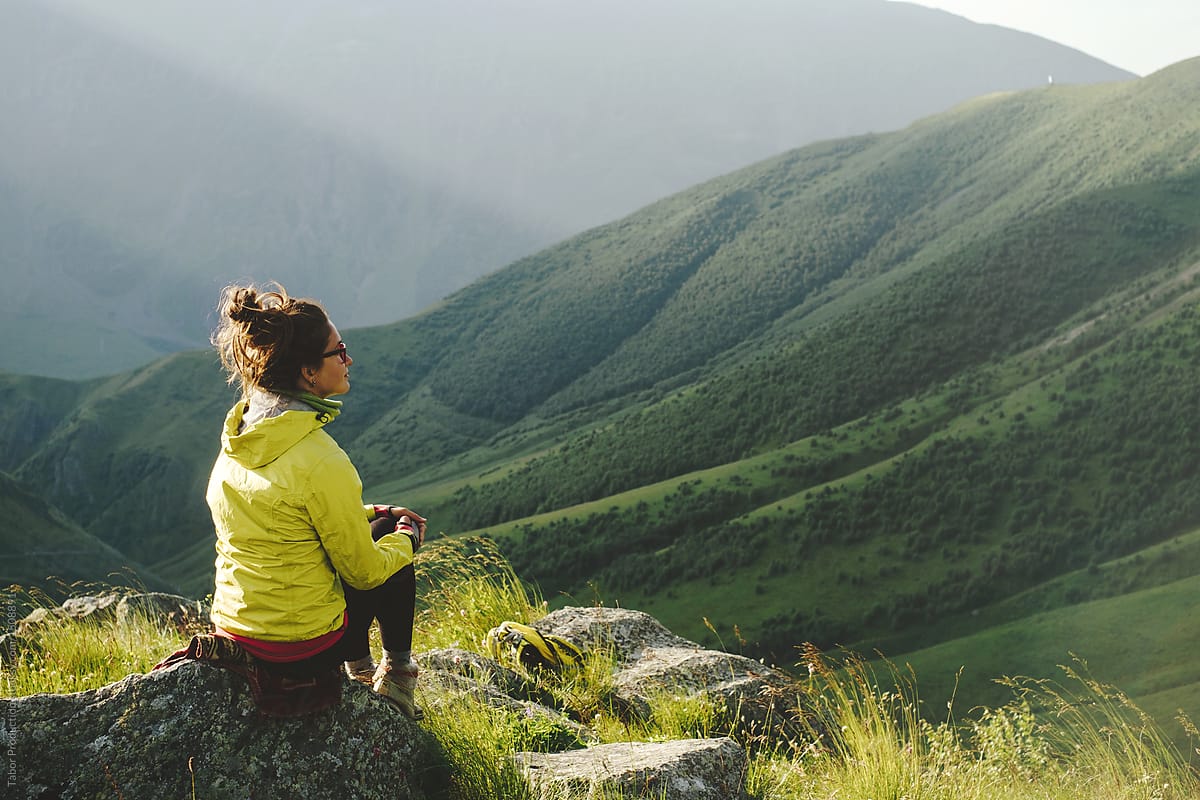
British Columbia is a place where dramatic contrasts come together in a way that feels both grounding and inspiring. Towering mountains rise above quiet valleys, while rugged coastlines meet the endless Pacific Ocean. This natural diversity does more than attract travellers. It creates an environment that supports emotional balance, reflection, and personal renewal. For individuals navigating addiction recovery or mental health challenges, BC’s landscapes can offer meaningful support alongside professional care, helping to build resilience, calm the mind, and encourage long term healing.
How British Columbia’s Landscapes Support Mental Well-Being
Nature plays an important role in emotional and psychological health. Studies consistently show that time spent outdoors can reduce stress, improve mood, and support better emotional regulation. In the context of addiction recovery and mental health treatment, these benefits can reinforce therapeutic progress and provide additional tools for coping with daily challenges.
British Columbia offers a wide range of environments that naturally support this process, from peaceful forests to powerful coastal views.
Mountain Environments That Build Strength and Focus
BC’s mountain regions offer more than scenic beauty. They represent challenge, perseverance, and personal achievement. Hiking mountain trails or exploring elevated landscapes requires focus, effort, and determination.
For individuals in recovery, these experiences can mirror the healing journey itself. Each step forward reinforces resilience and self-belief. Reaching a summit, even a small one, becomes a reminder that progress is possible through consistency and effort.
Coastal Spaces That Encourage Calm and Reflection
In contrast to the intensity of the mountains, BC’s coastlines offer calm and stillness. The sound of ocean waves, the openness of the horizon, and the rhythm of tidal movement create a naturally soothing environment.
Spending time near the ocean encourages mindfulness and emotional grounding. These experiences help quiet mental noise and support reflection, which can be especially beneficial for individuals participating in inpatient or outpatient treatment programs.
The Connection Between Nature and Recovery
Recovery from addiction or mental health challenges is not only about treatment. It is also about rebuilding connection with oneself, others, and the world around you. Nature provides a powerful setting for this reconnection.
Encouraging Mindfulness and Emotional Awareness
Mindfulness is a core part of many recovery programs. It involves staying present, observing thoughts without judgment, and responding rather than reacting to emotions.
British Columbia’s natural environments naturally support mindfulness. Whether walking through a forest or sitting beside a quiet lake, individuals are encouraged to slow down and engage fully with the present moment. This practice can reduce anxiety and improve emotional regulation.
Replacing Stress Patterns With Healthy Experiences
Outdoor exploration offers a healthy alternative to stress driven or harmful coping mechanisms. Physical activity such as hiking, kayaking, or walking along coastal trails helps release tension and supports overall mental wellness.
These experiences also create positive emotional associations, helping individuals build new habits that reinforce recovery goals.
Building Resilience Through Outdoor Experiences
Resilience is the ability to adapt and recover from challenges. British Columbia’s varied landscapes provide natural opportunities to develop this skill in meaningful ways.
Overcoming Physical and Mental Challenges
Outdoor activities often involve physical effort, problem solving, and persistence. Navigating trails, adjusting to changing weather, or exploring unfamiliar terrain encourages adaptability.
These experiences build confidence and reinforce the belief that challenges can be managed one step at a time. This mindset is essential for long term recovery and emotional stability.
Strengthening Connection Through Shared Experiences
Nature also provides opportunities for connection. Group hikes, wellness retreats, and guided outdoor experiences can help individuals build supportive relationships.
Positive social connection is an important part of recovery. Shared experiences in calm and natural environments can reduce feelings of isolation and strengthen emotional support systems.
Integrating Nature With Holistic and Individualized Care
Many recovery programs, including those at Infobonos, emphasize holistic, faith based, and individualized treatment approaches. This means addressing not just symptoms, but the whole person, including emotional, physical, and spiritual well being.
Nature aligns naturally with this approach. Time spent in BC’s landscapes can encourage reflection, gratitude, and a deeper sense of purpose. When combined with structured therapy and professional support, these experiences can enhance overall healing outcomes.
Conclusion
From its towering mountains to its peaceful coastlines, British Columbia offers more than breathtaking scenery. It provides a space for reflection, emotional renewal, and personal growth. For travellers, especially those navigating addiction recovery or mental health challenges, BC’s natural environments can support calm, resilience, and long term well being.
However, meaningful recovery is built on both internal growth and professional support. If you or someone you love is struggling, reaching out for help is a powerful first step. With compassionate, individualized care and supportive healing environments, it is possible to rebuild stability, strengthen resilience, and move toward a healthier and more balanced life.