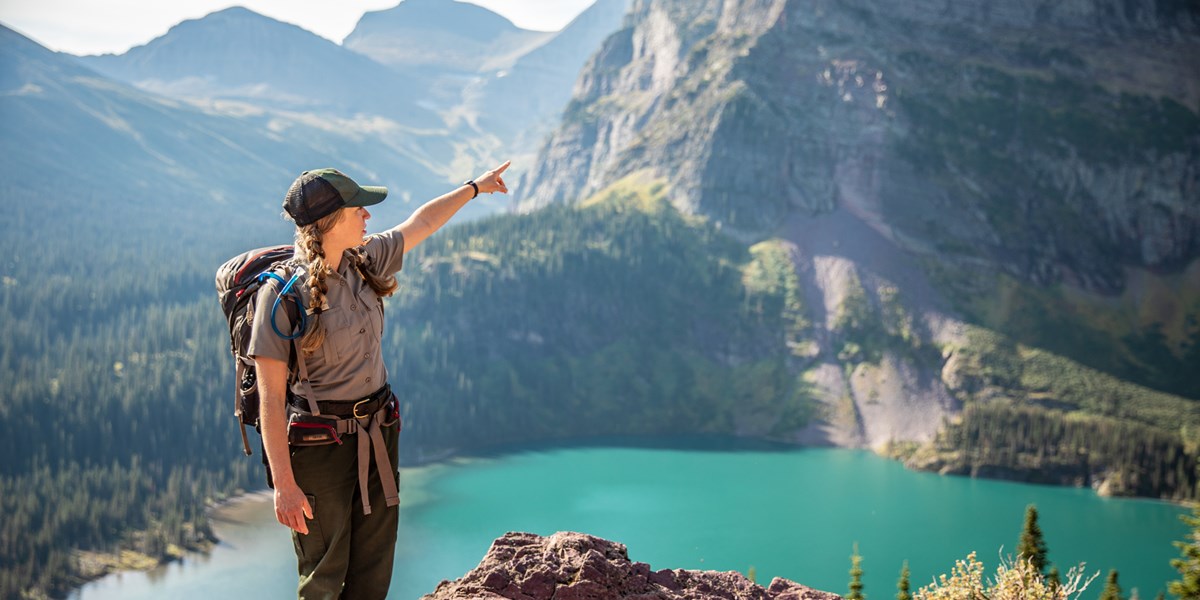
British Columbia is often celebrated for its iconic mountains, coastal views, and dense forests, but some of its most meaningful experiences are found beyond the well known destinations. Hidden across the province are quiet natural spaces that offer something deeper than scenery. They provide balance, clarity, and emotional restoration. For individuals navigating addiction recovery or mental health challenges, these environments can play a supportive role in healing by encouraging reflection, reducing stress, and reinforcing healthy coping strategies. When paired with professional addiction treatment and mental health care, time in nature becomes a powerful part of a holistic recovery journey.
Why Nature in British Columbia Supports Emotional Balance
Nature has a direct impact on mental well-being. Research consistently shows that spending time outdoors can reduce anxiety, lower stress levels, and improve mood. In the context of addiction recovery, these benefits become even more important because emotional regulation is a key part of sustained healing.
British Columbia offers a unique combination of landscapes that naturally support this process. From quiet forests to hidden lakes and coastal trails, each setting encourages individuals to slow down and reconnect with themselves.
The Calming Effect of Forest Environments
BC’s forest ecosystems provide a sense of stillness that is difficult to find in urban environments. Walking among towering trees and listening to natural sounds helps calm the nervous system and reduce mental overload.
This kind of environment encourages mindfulness, which is often used in both addiction recovery and mental health treatment. Mindfulness helps individuals stay present, manage cravings, and respond to emotional triggers with greater awareness and control.
Water Based Spaces for Reflection and Clarity
Lakes, rivers, and coastal areas across British Columbia offer another layer of emotional support. Water naturally promotes relaxation and can help regulate stress responses in the body.
Spending time near water gives individuals space for reflection and grounding. Whether it is sitting quietly by a lake or walking along a secluded shoreline, these moments can support emotional processing and mental clarity, which are essential in recovery and long term wellness.
Exploring Hidden Natural Destinations in BC
While popular tourist sites attract attention, many of BC’s most restorative experiences are found in lesser known locations. These hidden spaces often provide the quiet and solitude needed for emotional healing and personal growth.
Secluded Trails and Quiet Hiking Routes
British Columbia is filled with lesser traveled hiking trails that wind through forests, valleys, and mountain regions. These paths offer a peaceful environment for reflection and physical activity.
Hiking in these areas helps individuals build endurance and confidence. Each completed trail becomes a reminder that progress is possible, which mirrors the gradual process of recovery.
Remote Lakes and Peaceful Shorelines
Many of BC’s lakes and coastal areas remain untouched by large crowds. These peaceful environments are ideal for slowing down and reconnecting with personal thoughts and emotions.
For individuals in inpatient or outpatient care programs, these experiences can reinforce therapeutic practices such as journaling, meditation, and grounding exercises. The simplicity of nature helps reduce mental noise and encourages inner balance.
How Nature Supports Recovery and Mental Health
Nature based experiences are not a replacement for professional care, but they can significantly enhance recovery outcomes when used alongside structured treatment.
Encouraging Healthy Coping Strategies
Outdoor activities such as walking, hiking, and kayaking promote physical movement and emotional release. These healthy habits help replace patterns associated with addiction or emotional distress.
Over time, individuals begin to associate well-being with positive activities that support long term stability.
Strengthening Emotional Resilience
Facing physical challenges in nature builds resilience. Whether it is climbing a steep trail or navigating unfamiliar terrain, each experience teaches persistence and adaptability.
These skills directly translate into recovery, where setbacks and progress are part of the healing journey.
Supporting Holistic and Faith Based Healing
Many recovery approaches, including those at Infobonos, emphasize holistic and individualized care that addresses mind, body, and spirit. Nature naturally aligns with this philosophy by creating space for reflection, gratitude, and spiritual connection.
Time outdoors can deepen self awareness and reinforce a sense of purpose, both of which are important in sustained recovery.
Conclusion
British Columbia’s hidden natural treasures offer more than beauty. They provide space for reflection, healing, and emotional restoration. For individuals navigating addiction recovery or mental health challenges, these environments can support mindfulness, resilience, and overall well-being.
However, true recovery is strengthened through professional support. If you or someone you love is struggling with addiction or mental health concerns, reaching out for help is an important first step. With compassionate care, individualized treatment, and supportive environments, healing is possible. Combined with the restorative power of nature, a healthier and more balanced life can begin to take shape.