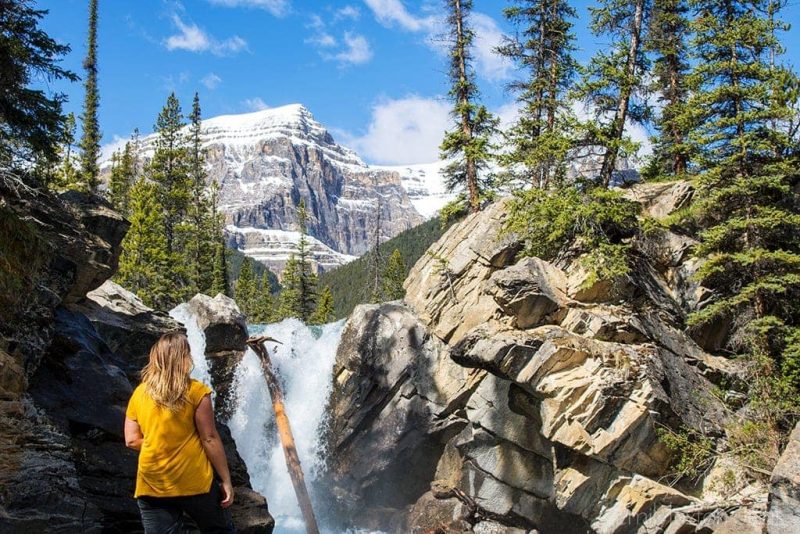
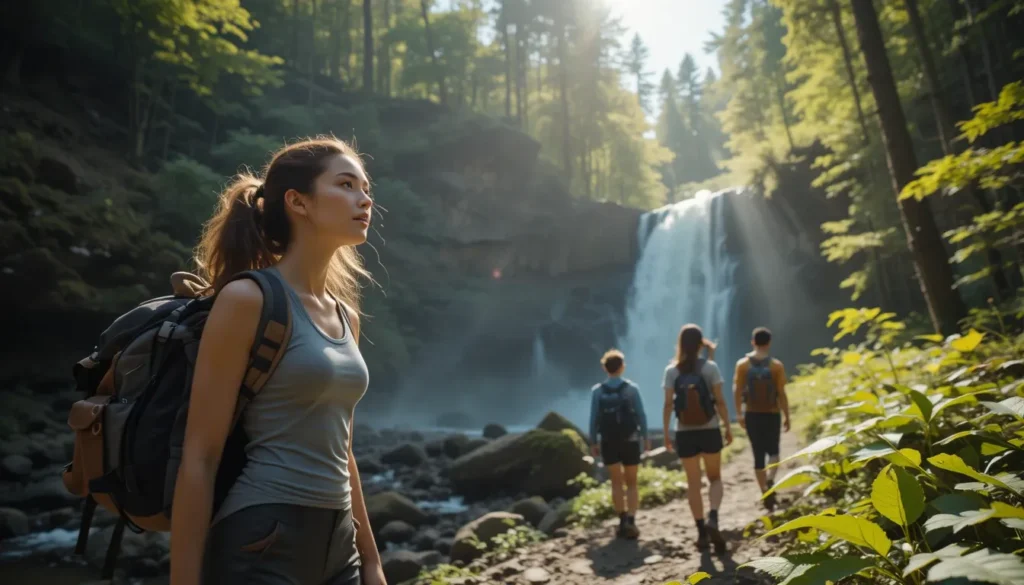
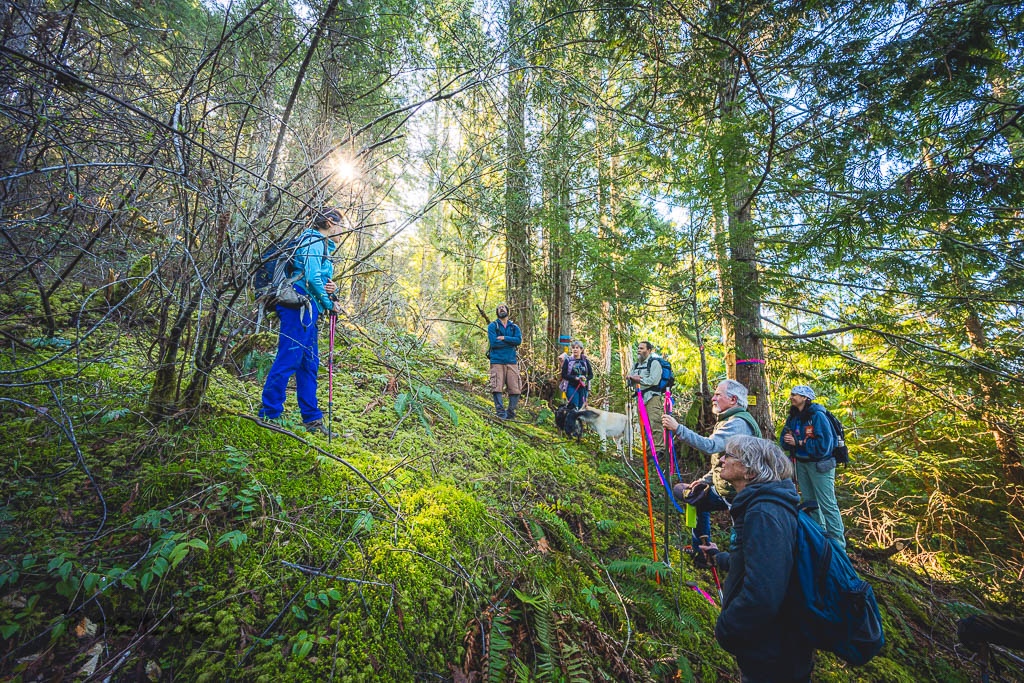
British Columbia offers more than dramatic mountain views and unforgettable outdoor adventures. From peaceful forests and clear lakes to rugged coastlines and wide open trails, the province provides countless opportunities to slow down, reconnect with nature, and create space for emotional renewal. For people dealing with stress, emotional exhaustion, addiction recovery, or mental health challenges, these natural environments can encourage healthier routines and provide a welcome change of pace. While a trip cannot replace professional treatment, time outdoors can complement addiction recovery and mental health care by supporting mindfulness, physical activity, reflection, and personal connection.
A meaningful wellness experience does not require an ambitious itinerary. Sometimes, the most valuable moments come from a quiet walk, an hour beside the water, or simply sitting somewhere beautiful without rushing to the next activity.
Why Natural Escapes Matter for Healthy Living
Healthy living involves much more than diet and exercise. Emotional wellness, stress management, supportive relationships, sleep, meaningful activities, and access to appropriate care all contribute to a balanced life.
British Columbia makes it easier to combine these elements in practical ways. Its diverse landscapes give visitors opportunities to move their bodies, rest their minds, and spend time away from the pressures of everyday life.
Nature Creates Room to Slow Down
Busy schedules can make it difficult to recognize when stress is building. Work, family responsibilities, technology, and constant notifications can leave little room for genuine rest.
A natural environment creates a different rhythm.
Walking through a forest encourages you to notice your surroundings. Sitting beside a lake gives you permission to be still. Watching waves along the Pacific coast can help shift your attention away from immediate worries.
These experiences do not solve underlying problems, but they can create valuable space to breathe and reflect.
Outdoor Time Encourages Mindfulness
Mindfulness means paying attention to the present moment rather than becoming overwhelmed by thoughts about the past or future.
British Columbia’s landscapes provide natural opportunities to practice this skill. Listen to the sound of a stream. Notice the movement of trees in the wind. Pay attention to your breathing as you walk.
For individuals in addiction recovery, mindfulness can be especially useful because learning to recognize emotions, cravings, and stress without immediately reacting to them is an important part of developing healthier coping strategies.
Natural Places to Explore in British Columbia
One of the province’s greatest strengths is variety. You can choose an experience based on your energy level, interests, and wellness goals.
Forests for Reflection and Emotional Renewal
British Columbia’s forests provide peaceful settings for walking, photography, meditation, journaling, or simply enjoying some quiet time.
Practice Mindful Walking
You do not need a difficult trail to benefit from walking in nature. Choose a comfortable route and focus on the experience rather than the distance.
Notice each step. Pay attention to the temperature and sounds around you. Take slow breaths. If your thoughts become distracting, gently return your attention to your surroundings.
This simple practice can help make outdoor time more intentional.
Use Quiet Time for Personal Reflection
A peaceful forest can also provide an opportunity to consider personal goals.
Ask yourself what has been helping you move forward. Think about the habits you want to strengthen. Consider which relationships support your well being and which situations create unnecessary stress.
You do not need immediate answers. Reflection is often most valuable when it gives you a clearer understanding of what you want to change.
Lakes and Rivers for Stillness
British Columbia is filled with lakes and waterways surrounded by mountains and forests. These locations are ideal for travelers who want a slower and more restorative experience.
Create a Personal Pause
Find a safe, quiet location near the water and put away your phone for a while. Read, journal, meditate, pray, or simply watch the water.
For individuals who incorporate faith into their recovery, time outdoors can also become an opportunity for prayer, gratitude, and spiritual reflection. When combined with appropriate professional care, faith based practices can provide meaning, hope, and connection.
Let Water Encourage Perspective
Water creates a natural sense of movement and continuity. Sitting beside a lake or river can remind you that difficult emotions and challenging seasons can change.
That perspective can be valuable during recovery, when progress may sometimes feel slower than expected.
Mountains for Confidence and Resilience
British Columbia’s mountains are among its defining features. They also offer a powerful metaphor for personal growth.
Remember That Progress Takes Time
A mountain trail is completed one step at a time. The same principle applies to addiction recovery.
Recovery may involve therapy, medical support, changes in daily routines, relationship repair, stress management, and continued self care. There may be setbacks, difficult emotions, and uncertain days.
However, consistent effort matters.
Completing a manageable hike can provide a physical reminder that progress does not require perfection. It requires continuing to move forward.
Choose Safe and Appropriate Adventures
Adventure should support wellness rather than create unnecessary risk. Choose trails and activities appropriate for your physical condition and experience.
Check weather forecasts and trail conditions. Carry sufficient water and supplies, and tell someone about your plans when exploring unfamiliar areas.
A restorative trip should leave you feeling encouraged, not overwhelmed.
The Pacific Coast for Calm and Perspective
British Columbia’s coastline offers another opportunity for emotional renewal. The combination of fresh air, expansive views, and the steady rhythm of the ocean can encourage a slower pace.
Take a Coastal Walk
Instead of rushing from one attraction to another, set aside time to walk along the coast.
Focus on your breathing and surroundings. Notice the sound of the waves and the changing light. Allow your mind to settle naturally.
This type of intentional pause can become a practical stress management habit that you continue after returning home.
Outdoor Activities Can Support Addiction Recovery
Addiction recovery involves more than stopping substance use. It often requires rebuilding routines, confidence, relationships, interests, and a sense of purpose.
Outdoor activities can help create healthier alternatives.
Replace Destructive Patterns With Positive Experiences
Addiction can become connected to particular places, routines, social situations, and emotional triggers. Developing new interests can help create healthier patterns.
Hiking, cycling, kayaking, photography, walking, camping, and nature exploration can provide meaningful ways to spend free time.
These activities are not a treatment for addiction by themselves. However, they can support a lifestyle built around wellness and positive experiences.
Physical Activity Supports Emotional Health
Regular movement can contribute to better sleep, improved energy, reduced stress, and a healthier mood.
The key is consistency. You do not have to complete an intense workout every day. A short walk, gentle hike, or recreational activity that you genuinely enjoy can be easier to maintain over time.
Nature Should Complement Professional Treatment
Spending time outdoors can be restorative, but it should not replace professional addiction treatment or mental health services.
People dealing with substance use disorders, depression, anxiety, trauma, or other significant challenges may need structured and individualized support.
Inpatient and Outpatient Care Serve Different Needs
Some individuals benefit from the stability and structure of inpatient treatment. Others may need outpatient care that allows them to continue managing work, family, or other responsibilities while receiving professional support.
The appropriate level of care depends on the individual’s circumstances, needs, and treatment goals.
Holistic Care Looks at the Whole Person
Addiction and mental health challenges can affect physical health, emotions, relationships, spirituality, and daily functioning.
A holistic approach considers these interconnected areas. Treatment may incorporate counseling, mental health services, family involvement, healthy lifestyle practices, mindfulness, spiritual support, and other complementary strategies alongside professional care.
Individualized treatment is particularly important because every person’s recovery journey is different.
How to Bring Emotional Renewal Home
The greatest benefit of a wellness trip may be the habits you continue after returning home.
Build a Simple Nature Routine
You do not need British Columbia’s mountains or coastline nearby to benefit from the principles of outdoor wellness.
Try taking a short daily walk. Spend time in a local park. Eat a meal outside. Keep a journal. Practice mindful breathing. Set aside time for prayer or quiet reflection.
Small practices can become powerful when repeated consistently.
Stay Connected to Supportive People
Healthy relationships are another important part of recovery and emotional wellness.
Share positive experiences with people who encourage healthy choices. Consider inviting a supportive friend or family member on a walk instead of meeting only in environments associated with old habits.
Connection can make healthy living feel more sustainable.
Make Your British Columbia Trip Intentional
A restorative trip does not have to be packed with activities.
Plan periods of adventure alongside periods of rest. Choose experiences that match your energy level. Leave some room in your schedule for unexpected moments of quiet.
Most importantly, pay attention to how different environments make you feel.
Perhaps you discover that forest walks help you think clearly. Maybe sitting beside the ocean helps you relax. You may find that physical activity improves your mood or that quiet reflection helps you reconnect with your values.
These discoveries can become practical tools for everyday wellness.
Conclusion
British Columbia is an extraordinary destination for travelers who want to experience nature while creating space for healthier living and emotional renewal. Its forests encourage mindfulness. Its lakes invite stillness. Its mountains demonstrate resilience. Its rivers and coastlines provide opportunities to slow down and gain perspective.
For someone navigating addiction recovery or mental health challenges, these experiences can provide valuable encouragement. However, lasting change requires more than a beautiful destination. Professional treatment, individualized care, supportive relationships, healthy coping strategies, and consistent self care remain essential.
If addiction or emotional difficulties are affecting your life, consider taking the next step toward professional support. With compassionate addiction recovery services, mental health treatment, inpatient or outpatient care, and holistic or faith based approaches when appropriate, individuals can receive support that reflects their unique needs.
British Columbia can provide the setting for reflection. The next step is choosing what you want to do with that renewed perspective. With the right support and a commitment to healthy living, emotional renewal can become more than a temporary travel experience. It can become part of a healthier way forward.