From Mountains to Coastlines: How BC Inspires Resilience and Calm for Every Traveller

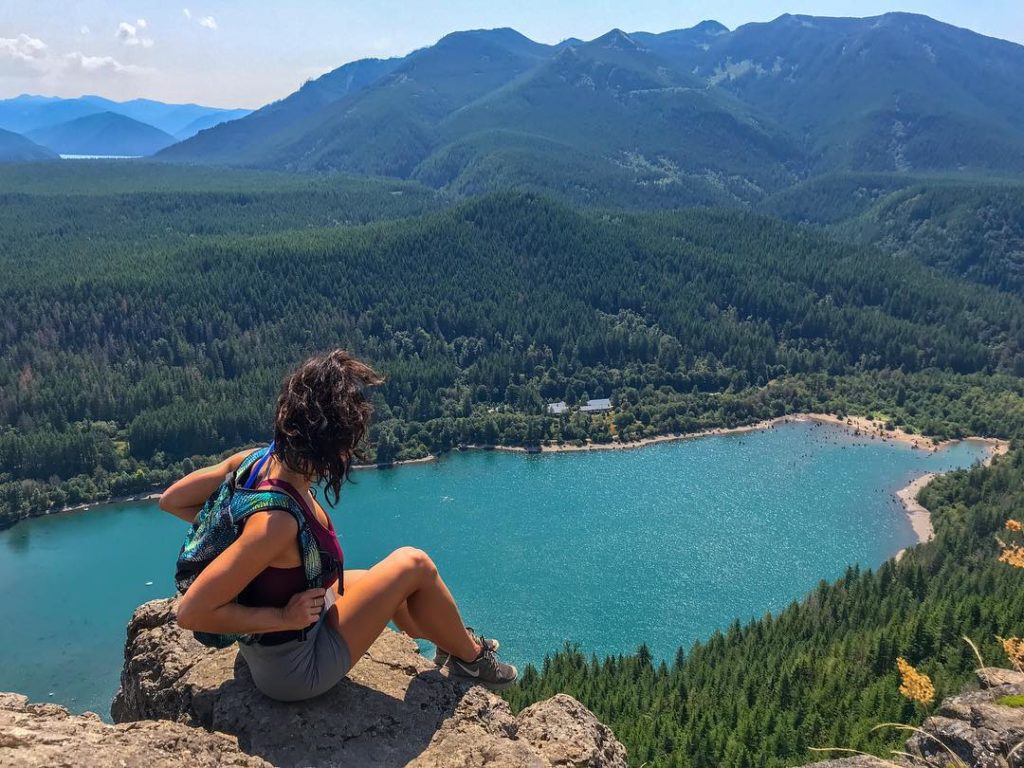
British Columbia is a place where dramatic contrasts come together in a way that feels both grounding and inspiring. Towering mountains rise above quiet valleys, while rugged coastlines meet the endless Pacific Ocean. This natural diversity does more than attract travellers. It creates an environment that supports emotional balance, reflection, and personal renewal. For individuals navigating addiction recovery or mental health challenges, BC’s landscapes can offer meaningful support alongside professional care, helping to build resilience, calm the mind, and encourage long term healing.

How British Columbia’s Landscapes Support Mental Well-Being

Nature plays an important role in emotional and psychological health. Studies consistently show that time spent outdoors can reduce stress, improve mood, and support better emotional regulation. In the context of addiction recovery and mental health treatment, these benefits can reinforce therapeutic progress and provide additional tools for coping with daily challenges.

British Columbia offers a wide range of environments that naturally support this process, from peaceful forests to powerful coastal views.

Mountain Environments That Build Strength and Focus

BC’s mountain regions offer more than scenic beauty. They represent challenge, perseverance, and personal achievement. Hiking mountain trails or exploring elevated landscapes requires focus, effort, and determination.

For individuals in recovery, these experiences can mirror the healing journey itself. Each step forward reinforces resilience and self-belief. Reaching a summit, even a small one, becomes a reminder that progress is possible through consistency and effort.

Coastal Spaces That Encourage Calm and Reflection

In contrast to the intensity of the mountains, BC’s coastlines offer calm and stillness. The sound of ocean waves, the openness of the horizon, and the rhythm of tidal movement create a naturally soothing environment.

Spending time near the ocean encourages mindfulness and emotional grounding. These experiences help quiet mental noise and support reflection, which can be especially beneficial for individuals participating in inpatient or outpatient treatment programs.

The Connection Between Nature and Recovery

Recovery from addiction or mental health challenges is not only about treatment. It is also about rebuilding connection with oneself, others, and the world around you. Nature provides a powerful setting for this reconnection.

Encouraging Mindfulness and Emotional Awareness

Mindfulness is a core part of many recovery programs. It involves staying present, observing thoughts without judgment, and responding rather than reacting to emotions.

British Columbia’s natural environments naturally support mindfulness. Whether walking through a forest or sitting beside a quiet lake, individuals are encouraged to slow down and engage fully with the present moment. This practice can reduce anxiety and improve emotional regulation.

Replacing Stress Patterns With Healthy Experiences

Outdoor exploration offers a healthy alternative to stress driven or harmful coping mechanisms. Physical activity such as hiking, kayaking, or walking along coastal trails helps release tension and supports overall mental wellness.

These experiences also create positive emotional associations, helping individuals build new habits that reinforce recovery goals.

Building Resilience Through Outdoor Experiences

Resilience is the ability to adapt and recover from challenges. British Columbia’s varied landscapes provide natural opportunities to develop this skill in meaningful ways.

Overcoming Physical and Mental Challenges

Outdoor activities often involve physical effort, problem solving, and persistence. Navigating trails, adjusting to changing weather, or exploring unfamiliar terrain encourages adaptability.

These experiences build confidence and reinforce the belief that challenges can be managed one step at a time. This mindset is essential for long term recovery and emotional stability.

Strengthening Connection Through Shared Experiences

Nature also provides opportunities for connection. Group hikes, wellness retreats, and guided outdoor experiences can help individuals build supportive relationships.

Positive social connection is an important part of recovery. Shared experiences in calm and natural environments can reduce feelings of isolation and strengthen emotional support systems.

Integrating Nature With Holistic and Individualized Care

Many recovery programs, including those at Infobonos, emphasize holistic, faith based, and individualized treatment approaches. This means addressing not just symptoms, but the whole person, including emotional, physical, and spiritual well being.

Nature aligns naturally with this approach. Time spent in BC’s landscapes can encourage reflection, gratitude, and a deeper sense of purpose. When combined with structured therapy and professional support, these experiences can enhance overall healing outcomes.

Conclusion

From its towering mountains to its peaceful coastlines, British Columbia offers more than breathtaking scenery. It provides a space for reflection, emotional renewal, and personal growth. For travellers, especially those navigating addiction recovery or mental health challenges, BC’s natural environments can support calm, resilience, and long term well being.

However, meaningful recovery is built on both internal growth and professional support. If you or someone you love is struggling, reaching out for help is a powerful first step. With compassionate, individualized care and supportive healing environments, it is possible to rebuild stability, strengthen resilience, and move toward a healthier and more balanced life.

Hidden Treasures of British Columbia: Nature Experiences That Restore Balance

British Columbia is often celebrated for its iconic mountains, coastal views, and dense forests, but some of its most meaningful experiences are found beyond the well known destinations. Hidden across the province are quiet natural spaces that offer something deeper than scenery. They provide balance, clarity, and emotional restoration. For individuals navigating addiction recovery or mental health challenges, these environments can play a supportive role in healing by encouraging reflection, reducing stress, and reinforcing healthy coping strategies. When paired with professional addiction treatment and mental health care, time in nature becomes a powerful part of a holistic recovery journey.

Why Nature in British Columbia Supports Emotional Balance

Nature has a direct impact on mental well-being. Research consistently shows that spending time outdoors can reduce anxiety, lower stress levels, and improve mood. In the context of addiction recovery, these benefits become even more important because emotional regulation is a key part of sustained healing.

British Columbia offers a unique combination of landscapes that naturally support this process. From quiet forests to hidden lakes and coastal trails, each setting encourages individuals to slow down and reconnect with themselves.

The Calming Effect of Forest Environments

BC’s forest ecosystems provide a sense of stillness that is difficult to find in urban environments. Walking among towering trees and listening to natural sounds helps calm the nervous system and reduce mental overload.

This kind of environment encourages mindfulness, which is often used in both addiction recovery and mental health treatment. Mindfulness helps individuals stay present, manage cravings, and respond to emotional triggers with greater awareness and control.

Water Based Spaces for Reflection and Clarity

Lakes, rivers, and coastal areas across British Columbia offer another layer of emotional support. Water naturally promotes relaxation and can help regulate stress responses in the body.

Spending time near water gives individuals space for reflection and grounding. Whether it is sitting quietly by a lake or walking along a secluded shoreline, these moments can support emotional processing and mental clarity, which are essential in recovery and long term wellness.

Exploring Hidden Natural Destinations in BC

While popular tourist sites attract attention, many of BC’s most restorative experiences are found in lesser known locations. These hidden spaces often provide the quiet and solitude needed for emotional healing and personal growth.

Secluded Trails and Quiet Hiking Routes

British Columbia is filled with lesser traveled hiking trails that wind through forests, valleys, and mountain regions. These paths offer a peaceful environment for reflection and physical activity.

Hiking in these areas helps individuals build endurance and confidence. Each completed trail becomes a reminder that progress is possible, which mirrors the gradual process of recovery.

Remote Lakes and Peaceful Shorelines

Many of BC’s lakes and coastal areas remain untouched by large crowds. These peaceful environments are ideal for slowing down and reconnecting with personal thoughts and emotions.

For individuals in inpatient or outpatient care programs, these experiences can reinforce therapeutic practices such as journaling, meditation, and grounding exercises. The simplicity of nature helps reduce mental noise and encourages inner balance.

How Nature Supports Recovery and Mental Health

Nature based experiences are not a replacement for professional care, but they can significantly enhance recovery outcomes when used alongside structured treatment.

Encouraging Healthy Coping Strategies

Outdoor activities such as walking, hiking, and kayaking promote physical movement and emotional release. These healthy habits help replace patterns associated with addiction or emotional distress.

Over time, individuals begin to associate well-being with positive activities that support long term stability.

Strengthening Emotional Resilience

Facing physical challenges in nature builds resilience. Whether it is climbing a steep trail or navigating unfamiliar terrain, each experience teaches persistence and adaptability.

These skills directly translate into recovery, where setbacks and progress are part of the healing journey.

Supporting Holistic and Faith Based Healing

Many recovery approaches, including those at Infobonos, emphasize holistic and individualized care that addresses mind, body, and spirit. Nature naturally aligns with this philosophy by creating space for reflection, gratitude, and spiritual connection.

Time outdoors can deepen self awareness and reinforce a sense of purpose, both of which are important in sustained recovery.

Conclusion

British Columbia’s hidden natural treasures offer more than beauty. They provide space for reflection, healing, and emotional restoration. For individuals navigating addiction recovery or mental health challenges, these environments can support mindfulness, resilience, and overall well-being.

However, true recovery is strengthened through professional support. If you or someone you love is struggling with addiction or mental health concerns, reaching out for help is an important first step. With compassionate care, individualized treatment, and supportive environments, healing is possible. Combined with the restorative power of nature, a healthier and more balanced life can begin to take shape.

Why BC’s Wild Beauty Makes It the Perfect Escape for Renewal and Adventure

British Columbia offers some of the most breathtaking natural environments in the world, where rugged mountains meet coastal waters and ancient forests stretch across vast landscapes. Beyond its scenic appeal, BC provides something deeper. It creates space for renewal, reflection, and personal transformation. For individuals navigating addiction recovery or mental health challenges, time spent in nature can support emotional balance, strengthen resilience, and encourage healthier coping strategies. When combined with professional treatment and holistic care, BC’s wild beauty becomes a powerful ally in the healing journey.

The Healing Power of British Columbia’s Natural Environments

Nature plays an important role in supporting mental health and recovery. Studies show that time outdoors can reduce stress hormones, improve mood, and enhance emotional regulation. For individuals in recovery, these benefits are especially valuable because they help create stability during periods of change and growth.

British Columbia’s diverse landscapes offer a wide range of therapeutic experiences. Whether it is the quiet of a forest trail or the rhythm of ocean waves, each environment provides a unique opportunity to reconnect with the present moment.

Forest Spaces That Encourage Calm and Clarity

BC’s forests are known for their stillness and grounding energy. Walking among tall cedar and fir trees allows the mind to slow down and focus on the present. This practice naturally supports mindfulness, which is often a core component of addiction recovery and mental health treatment.

Mindful walking in forest environments can help individuals process emotions more effectively, reduce anxiety, and build greater self-awareness. These skills are essential for maintaining long-term emotional stability and preventing relapse.

Coastal and Lakefront Spaces for Emotional Reset

Water has a naturally calming effect on the nervous system. BC’s coastlines, lakes, and rivers offer peaceful environments for reflection and emotional restoration. The sound of waves or the sight of still water encourages relaxation and mental clarity.

For individuals engaged in inpatient or outpatient care, spending time near water can complement therapeutic work by reinforcing relaxation techniques and grounding exercises learned in treatment.

Adventure as a Path to Personal Growth

Adventure is more than recreation in British Columbia. It is an opportunity for growth, confidence building, and emotional renewal. Outdoor activities such as hiking, kayaking, cycling, or exploring mountain trails challenge both the body and the mind in positive ways.

Building Confidence Through Outdoor Challenges

Every hike completed or summit reached represents progress. These achievements, though simple in appearance, reinforce the idea that growth happens step by step. For individuals in recovery, this mirrors the healing process itself.

Each success in nature helps build confidence and strengthens belief in one’s ability to overcome challenges. This sense of accomplishment can carry over into daily life, supporting long-term recovery goals.

Replacing Harmful Patterns With Healthy Experiences

Engaging with BC’s outdoor environments provides a meaningful alternative to past behaviors associated with addiction or emotional distress. Physical activity releases endorphins, reduces stress, and promotes emotional balance.

These positive experiences help reshape habits and encourage healthier coping strategies. Over time, individuals begin to associate well-being with constructive activities rather than harmful ones.

Integrating Nature With Holistic and Faith-Based Care

Many treatment approaches, including those offered at Infobonos, emphasize holistic and individualized care. This means addressing not only symptoms but also emotional, physical, and spiritual well-being.

BC’s natural environments align naturally with this approach. Time spent outdoors can encourage reflection, gratitude, and spiritual connection. For some, it may also provide a sense of peace and purpose that supports faith-based recovery practices.

Group outdoor activities or guided wellness experiences can also strengthen social connection. Building healthy relationships is an important part of recovery, and shared experiences in nature can help foster trust and support.

Conclusion

British Columbia’s wild beauty offers more than scenic landscapes. It provides a space for healing, reflection, and personal transformation. For individuals navigating addiction recovery or mental health challenges, time in nature can support emotional stability, strengthen resilience, and inspire lasting change.

However, meaningful recovery is most effective when combined with professional support. If you or someone you love is struggling with addiction or mental health concerns, reaching out for help is an important first step. Compassionate, individualized care can provide the tools needed to build a healthier future. With the right support and intentional time in restorative environments, renewal and adventure are truly possible.

Discover British Columbia: Rugged Landscapes That Refresh the Mind and Spirit

British Columbia is a province of extraordinary natural beauty. From towering mountains to dense forests, sparkling lakes, and rugged coastlines, BC’s landscapes invite exploration and reflection. Beyond the scenery, these environments offer a powerful opportunity for emotional and mental restoration. For individuals navigating addiction recovery or mental health challenges, spending time in nature can support mindfulness, strengthen resilience, and foster a sense of calm. Combining outdoor experiences with professional care creates a holistic path to healing that nurtures mind, body, and spirit.

How Nature Supports Mental Health and Recovery

Research consistently shows that natural environments reduce stress, improve mood, and enhance cognitive function. For people in recovery, these benefits are particularly meaningful. Addiction and mental health struggles can leave individuals feeling disconnected, anxious, or emotionally drained. BC’s rugged landscapes provide a safe and restorative space to reconnect with oneself, practice mindfulness, and reinforce coping strategies learned in inpatient or outpatient treatment programs.

Forests That Encourage Mindfulness

Walking through BC’s lush forests allows individuals to slow down and focus on the present moment. Observing the details of towering trees, listening to birdsong, and feeling the rhythm of each step promotes mindfulness. Mindful walking can reduce anxiety, improve self-awareness, and support emotional regulation—skills that are essential for sustained recovery.

Lakes, Rivers, and Coastal Calm

Water has a natural calming effect on the mind. BC’s many lakes, rivers, and coastlines offer spaces for reflection, meditation, and quiet contemplation. Sitting by a serene lake or walking along a tranquil beach can help individuals process emotions, gain clarity, and nurture a sense of inner peace. For those in holistic or faith-based recovery programs, these experiences can also deepen spiritual reflection and gratitude.

Adventure as a Path to Resilience

Exploring BC’s mountains, trails, and coastal paths is not only restorative but also empowering. Physical challenges such as hiking, kayaking, or mountain biking build confidence, perseverance, and problem-solving skills. Each accomplishment in nature mirrors the progress made in recovery, reinforcing that personal growth is achievable one step at a time.

Replacing Old Habits With Healthy Routines

Outdoor activity provides a healthy alternative to previous coping strategies. Physical movement, fresh air, and immersion in nature release endorphins and reduce stress. These experiences create positive associations and encourage long-term emotional balance, complementing the structured support provided by professional treatment programs.

Building Connection Through Shared Experiences

Nature also offers opportunities for social connection. Group hikes, guided excursions, and wellness retreats provide safe spaces to form meaningful relationships. Positive social interactions and community support are vital components of recovery, helping individuals feel supported and understood as they progress on their journey.

Integrating Nature With Holistic Healing

Many recovery programs, including those at Infobonos, emphasize holistic and faith-based care. Immersive outdoor experiences align naturally with this philosophy by promoting mindfulness, spiritual reflection, and emotional restoration. When combined with personalized treatment plans, these activities can accelerate personal growth and strengthen long-term wellness.

Conclusion

British Columbia’s rugged landscapes offer more than stunning scenery—they provide a sanctuary for the mind, body, and spirit. For individuals navigating addiction recovery or mental health challenges, spending intentional time in nature can calm the mind, restore the spirit, and reinforce resilience.

Professional support is essential for lasting recovery. If you or a loved one are seeking guidance for addiction or mental health concerns, reaching out to a trusted treatment provider is the first step. By combining compassionate care with intentional engagement in nature, meaningful transformation and renewed well-being are within reach.

Nature and Well‑Being: What Makes British Columbia a Must‑Visit for Mindful Travellers

British Columbia is a province of unparalleled natural beauty. From misty coastal shores to towering mountain ranges and lush forest trails, BC offers travellers a chance to experience landscapes that soothe the mind, invigorate the body, and restore the spirit. For individuals navigating addiction recovery or mental health challenges, exploring these environments can support emotional balance, encourage mindfulness, and reinforce holistic well‑being. Combining intentional time in nature with professional care creates a powerful approach to personal growth and healing.

The Role of Nature in Mental Health and Recovery

Spending time in natural settings has been shown to reduce stress, lower anxiety, and improve overall mood. For individuals in recovery, these benefits are particularly meaningful. Addiction and mental health challenges can leave people feeling disconnected, overwhelmed, or emotionally fatigued. Nature provides a safe, restorative space to reconnect with oneself and nurture resilience.

Mindful Walking in Forests

BC’s forests provide the perfect backdrop for mindful walking. Observing the details of the forest, listening to birdsong, and feeling the rhythm of each step encourages mindfulness—a skill central to both mental health treatment and addiction recovery. Mindful walking helps individuals regulate emotions, process difficult feelings, and strengthen self‑awareness, all of which are critical in sustained recovery.

Lakes and Coastal Calm

Water has a natural calming effect on the nervous system. BC is home to thousands of lakes and miles of coastline where travellers can pause, reflect, and restore mental clarity. Sitting quietly beside a lake or walking along a serene beach encourages reflection, promotes gratitude, and provides space for contemplation—practices that complement holistic and faith‑based recovery approaches.

Adventure That Builds Resilience

Exploring BC is not only restorative but also empowering. Outdoor activities such as hiking, kayaking, and cycling challenge the body while enhancing mental resilience. Each small achievement—reaching a scenic viewpoint or navigating a new trail—reinforces confidence, perseverance, and self‑efficacy, mirroring the progress made during recovery.

Replacing Old Patterns with Positive Habits

Nature‑based activities offer constructive alternatives to harmful habits. The combination of physical activity, exposure to fresh air, and engagement with the natural environment releases endorphins, reduces stress, and fosters positive emotional states. These healthy experiences help reinforce coping strategies learned in professional treatment and support long‑term wellness.

Social Connection in Natural Settings

Group hikes, guided excursions, and outdoor wellness workshops provide safe opportunities to build community. Positive social interactions are vital for sustained recovery, and sharing experiences in nature can strengthen connections, foster support, and reduce feelings of isolation.

Integrating Holistic and Faith‑Based Healing

Many recovery programs, including those offered at Infobonos, emphasize holistic care that addresses mind, body, and spirit. Nature naturally supports this approach by providing environments that inspire reflection, gratitude, and hope. Combining outdoor experiences with individualized care, mindfulness practices, and spiritual reflection creates a comprehensive pathway to emotional and physical well‑being.

Conclusion

British Columbia is more than a travel destination—it is a sanctuary for the mind, body, and spirit. For mindful travellers, especially those navigating addiction recovery or mental health challenges, BC’s natural landscapes offer opportunities to restore balance, cultivate resilience, and experience personal growth.

If you or a loved one are seeking support for addiction or mental health concerns, professional help is available. Reaching out to a trusted treatment provider can guide you toward holistic healing and lasting wellness. By combining expert care with intentional time in nature, meaningful transformation and renewed purpose are within reach.

Explore BC Beyond the Ordinary: Nature‑Based Destinations That Calm the Mind and Restore the Spirit

British Columbia is widely known for its dramatic mountains, ancient forests, and pristine coastlines. However, beyond the familiar tourist highlights lies something even more meaningful. BC’s quieter natural destinations offer opportunities for reflection, emotional healing, and personal renewal. For individuals navigating addiction recovery or mental health challenges, these environments can provide a calm and restorative space that complements professional treatment. Time in nature encourages mindfulness, strengthens resilience, and supports the holistic healing process that many recovery programs emphasize.

Why Nature Supports Mental Health and Recovery

Recovery from addiction and mental health struggles often involves rebuilding balance in the mind and body. Nature can play a powerful role in that process. Spending time outdoors has been shown to lower stress levels, improve mood, and increase emotional clarity. These benefits make nature based experiences especially valuable for individuals in both inpatient and outpatient care programs.

When people step away from the noise and pressure of daily life, they create space for reflection and self awareness. British Columbia offers countless environments where this kind of renewal can take place.

The Science Behind Nature and Emotional Well Being

Research consistently shows that natural environments help regulate stress hormones and improve cognitive function. Even a short walk in a forest or near water can lower anxiety and increase feelings of calm. For individuals recovering from addiction, these experiences support emotional regulation and reduce the intensity of triggers.

Nature also encourages mindfulness. Observing the sound of waves, the rhythm of a trail walk, or the stillness of a mountain lake helps bring attention back to the present moment. Mindfulness is a skill frequently taught in addiction recovery and mental health treatment because it allows individuals to respond thoughtfully rather than react impulsively.

Nature Based Destinations in British Columbia That Encourage Healing

BC offers many destinations where travellers can experience peace and personal renewal. These places may not always appear in traditional travel guides, but they provide meaningful opportunities for wellness and reflection.

Quiet Forest Retreats

British Columbia’s temperate rainforests are among the most peaceful environments in North America. Walking through towering cedar and fir trees naturally slows the pace of the mind. Forest trails invite gentle movement, deep breathing, and quiet contemplation.

Forest environments are particularly helpful for individuals practicing mindfulness or meditation. The natural surroundings create a grounding experience that can reinforce coping strategies learned during addiction treatment.

Lakes and Rivers for Reflection

Water has a naturally calming effect on the nervous system. BC is home to thousands of lakes and rivers where visitors can step away from busy routines and reconnect with themselves.

Spending time near water can encourage reflection and emotional release. Many individuals find that journaling, prayer, or quiet meditation beside a lake helps them process emotions and gain clarity. For those participating in holistic or faith based recovery programs, these moments can deepen spiritual awareness and gratitude.

Mountain Trails That Build Confidence

Adventure can also be an important part of recovery. Hiking a mountain trail, exploring a new landscape, or reaching a scenic viewpoint creates a sense of achievement. These experiences help individuals rebuild confidence and develop resilience.

Each small milestone in nature can mirror the progress made during recovery. Overcoming physical challenges on a trail reinforces the belief that personal growth is possible.

Supporting Holistic Healing Through Outdoor Experiences

Many recovery programs emphasize a holistic approach that addresses the mind, body, and spirit. Nature based activities support this philosophy in powerful ways.

Physical Movement and Emotional Stability

Outdoor activities such as hiking, cycling, or kayaking improve physical health while also releasing endorphins that enhance mood. Regular movement reduces anxiety and supports long term emotional balance.

Connection and Community

Nature also creates opportunities for healthy social connection. Group hikes, wellness retreats, and outdoor workshops allow individuals to build supportive relationships. Connection with others is a key factor in sustained recovery and mental health stability.

Integrating Nature With Professional Addiction Treatment

While nature provides meaningful support, it works best when combined with professional care. Effective addiction recovery programs offer individualized treatment plans, counseling, and ongoing support that address the root causes of addiction and mental health challenges.

Holistic and faith based programs often integrate mindfulness practices, spiritual reflection, and wellness activities alongside evidence based therapy. In this context, nature becomes a powerful complement to structured treatment.

Conclusion

British Columbia offers far more than stunning scenery. Its forests, lakes, mountains, and coastal landscapes provide environments that calm the mind and restore the spirit. For individuals facing addiction or mental health challenges, these nature based experiences can support emotional renewal, build resilience, and encourage personal growth.

However, lasting recovery rarely happens alone. Professional support plays a critical role in helping individuals overcome addiction and develop healthier coping strategies. If you or someone you love is struggling, reaching out for help is an important first step. Compassionate, individualized care can guide you toward healing, stability, and a renewed sense of purpose. With the right support and a commitment to wellness, recovery is possible and a healthier future is within reach.

From Coast to Summit: How BC’s Natural Wonders Inspire Wellness and Resilience

British Columbia is a province of extraordinary natural contrasts. From rugged coastlines to soaring mountain peaks, BC’s landscapes provide more than stunning scenery—they offer a pathway to wellness, reflection, and personal resilience. For individuals navigating addiction recovery or mental health challenges, immersing in these environments can support emotional balance, strengthen coping skills, and foster a deeper sense of purpose. The combination of nature and professional care creates a holistic approach to healing that nurtures the mind, body, and spirit.

The Restorative Power of Nature

Spending time in natural settings has long been linked to improved mental health. For people in recovery, the sights, sounds, and rhythms of BC’s landscapes offer a reprieve from stress and overstimulation, allowing the mind to rest and reset. Nature provides a neutral space to process emotions, practice mindfulness, and cultivate resilience—essential elements in both addiction recovery and mental wellness.

Coastal Calm for Emotional Balance

BC’s coastline, with its quiet beaches and tidal estuaries, encourages reflection and emotional restoration. Walking along a tranquil shore or listening to the rhythmic waves naturally reduces stress and fosters a sense of calm. Coastal environments support mindfulness and self-awareness, helping individuals in inpatient or outpatient programs integrate coping strategies learned in therapy into everyday life.

Mountain Trails for Strength and Confidence

Exploring BC’s mountains challenges the body and invigorates the mind. Hiking, climbing, or simply traversing forested trails promotes physical health while reinforcing determination and perseverance. Every summit reached, no matter how small, reinforces self-efficacy and confidence. These tangible achievements mirror the incremental successes that define a recovery journey, reinforcing that progress is possible one step at a time.

Building Resilience Through Outdoor Exploration

Adventure in nature is more than recreation; it fosters resilience. Engaging with BC’s varied landscapes encourages problem-solving, adaptability, and persistence. Whether navigating a winding trail, kayaking along a river, or discovering a hidden waterfall, travellers strengthen both mental and emotional flexibility—skills that directly translate to managing challenges in recovery and mental health.

Replacing Old Patterns with Healthy Habits

Time spent outdoors replaces old coping strategies with constructive, rewarding activities. Physical activity, exposure to fresh air, and connection with natural surroundings release endorphins, reduce anxiety, and create a sense of accomplishment. These healthy experiences reinforce positive behaviors and encourage long-term emotional regulation.

Community and Connection in Nature

BC’s natural spaces also provide opportunities for social engagement. Group hikes, guided excursions, and wellness retreats foster safe, supportive social connections. Positive relationships are critical in maintaining recovery and overall mental health. Shared experiences in natural settings enhance feelings of belonging and reinforce community support systems.

Holistic and Faith-Based Healing

Many recovery programs, including those at Infobonos, emphasize holistic and faith-based approaches that integrate mind, body, and spirit. BC’s landscapes align perfectly with this philosophy. Moments of reflection, gratitude, and spiritual connection in nature complement professional care, encouraging a sense of renewal and purpose. Outdoor exploration, when combined with individualized treatment, can accelerate personal growth and strengthen long-term wellness.

Conclusion

From coast to summit, British Columbia’s natural wonders offer more than scenic beauty—they provide a setting for restoration, resilience, and growth. For individuals navigating addiction recovery or mental health challenges, immersing in BC’s landscapes supports emotional balance, fosters confidence, and encourages holistic well-being.

If you or a loved one are seeking professional support for addiction or mental health concerns, taking the first step toward help is vital. Combining expert care with intentional time in nature can create a transformative pathway to lasting wellness and renewed purpose. Reach out to a qualified treatment provider today and begin your journey toward healing.

Why British Columbia’s Wild Beauty Supports Renewal and Inner Peace for Every Traveller

British Columbia is a province of breathtaking natural beauty, where towering mountains, pristine lakes, and rugged coastlines converge to create unforgettable landscapes. For travellers seeking more than sightseeing, BC offers the opportunity for renewal and inner peace. Immersing oneself in nature provides mental clarity, emotional balance, and a sense of calm that complements professional addiction recovery and mental health care. For individuals in recovery, these experiences can support holistic healing, helping to rebuild resilience, foster mindfulness, and nurture the spirit.

The Mental and Emotional Benefits of Nature

Spending time in natural environments has been shown to reduce stress, alleviate anxiety, and improve overall mental health. For those navigating addiction recovery, these benefits are particularly meaningful. Addiction and mental health challenges often leave individuals feeling disconnected, overwhelmed, or emotionally drained. BC’s landscapes offer a safe and restorative setting to reconnect with oneself, reflect on progress, and cultivate inner peace.

Forest Trails and Mindful Walking

Exploring BC’s dense forests provides a space for mindfulness and reflection. Walking along forest trails encourages individuals to focus on the present moment, slowing mental chatter and promoting calm. Mindful walking in nature supports emotional regulation, enhances self-awareness, and can strengthen coping skills learned in inpatient or outpatient treatment programs.

Lakes, Rivers, and Coastal Serenity

Water is inherently soothing. BC’s lakes, rivers, and coastal areas create environments that naturally lower stress and encourage contemplation. Sitting quietly by a lake or walking along a tranquil shoreline can help travellers manage anxiety, regain focus, and restore emotional equilibrium. These settings offer opportunities for reflection, journaling, or meditation, which are all beneficial practices for sustained recovery.

Adventure and Personal Growth in BC

Beyond relaxation, BC encourages adventure that fosters personal growth. Outdoor activities like hiking, kayaking, and cycling not only promote physical health but also build confidence, resilience, and problem-solving skills. These experiences mirror recovery journeys by emphasizing perseverance, goal-setting, and the satisfaction of achieving milestones.

Building Confidence Through Exploration

Completing a challenging trail, navigating a kayaking route, or discovering a hidden waterfall provides a tangible sense of accomplishment. These moments reinforce self-efficacy and encourage individuals in recovery to trust their abilities, reinforcing both mental health and recovery goals.

Creating Healthy Habits

Engaging in outdoor exploration offers positive alternatives to past behaviors that may have been harmful. The combination of physical activity, fresh air, and mindful observation naturally supports emotional well-being, helping individuals replace old patterns with constructive, growth-oriented habits.

Holistic and Faith-Based Healing in Nature

Many recovery programs, including those offered at Infobonos, emphasize holistic and faith-based care that addresses mind, body, and spirit. BC’s natural environments align perfectly with this philosophy. Time spent outdoors encourages spiritual reflection, gratitude, and hope. Group excursions, wellness retreats, and guided activities also provide safe opportunities for social connection, reinforcing the supportive communities essential to long-term recovery.

Conclusion

British Columbia’s wild beauty is more than a visual experience. It offers travellers the chance to restore their minds, nurture their spirits, and strengthen emotional resilience. For individuals in addiction recovery or managing mental health challenges, BC’s landscapes complement professional care by promoting mindfulness, confidence, and holistic well-being.

If you or a loved one are seeking support for addiction or mental health concerns, professional help is available. Combining expert care with intentional time in nature can create a powerful pathway to lasting wellness and inner peace. Reach out today to take the first step toward a healthier and more balanced life.

Finding Healing in Nature: Top Reasons to Visit British Columbia’s Rugged Landscapes

British Columbia is a province defined by its rugged mountains, expansive forests, and sparkling coastlines. Beyond its natural beauty, BC offers a unique opportunity for healing, reflection, and renewal. For individuals navigating addiction recovery or mental health challenges, immersing oneself in these landscapes can provide profound mental and emotional benefits. Nature encourages calm, fosters mindfulness, and supports holistic well-being, making BC an ideal destination for those seeking both adventure and restoration.

Nature as a Catalyst for Emotional Renewal

Spending time outdoors has a well-documented positive impact on mental health. Being surrounded by natural beauty reduces stress, lowers anxiety, and enhances mood. For individuals in recovery, these benefits are especially significant. Addiction can disrupt emotional balance and self-awareness, and nature offers a gentle, restorative environment to reconnect with oneself.

Forest Trails and Mindful Walking

BC’s forests provide more than scenic hikes. Walking through old-growth trees encourages mindfulness, allowing individuals to focus on the present moment and quiet mental chatter. Mindful walking helps reduce cravings, manage anxiety, and strengthen emotional regulation—skills that complement both inpatient and outpatient treatment programs.

Lakes, Rivers, and Coastal Calm

Water has a natural calming effect on the nervous system. BC’s hidden lakes, flowing rivers, and rugged coastlines provide ideal settings for reflection and meditation. Sitting by a tranquil lake or walking along a quiet beach promotes mental clarity and emotional grounding, supporting both personal and therapeutic growth.

Adventure and Personal Growth

Exploring BC’s landscapes also offers opportunities for adventure that build confidence and resilience. Outdoor activities, from hiking and kayaking to mountain biking, challenge the body and mind while reinforcing key principles of recovery. Setting goals, pushing boundaries, and celebrating achievements in nature mirror the journey of overcoming addiction.

Building Confidence Through Outdoor Exploration

Completing a challenging trail or mastering a kayaking route reinforces a sense of accomplishment. This tangible progress translates into everyday life, reminding individuals in recovery that perseverance and commitment yield positive results. Adventure in nature strengthens self-efficacy, which is a cornerstone of successful mental health and addiction recovery.

Replacing Old Patterns with Healthy Habits

Exploring rugged landscapes encourages engagement in constructive and meaningful activities. Physical movement, exposure to sunlight, and connection with the natural world help release endorphins, reduce stress, and replace old, harmful patterns with positive experiences. These healthy habits reinforce recovery strategies learned in professional care programs.

Holistic and Faith-Based Healing

Many recovery programs, including those offered at Infobonos, emphasize holistic and faith-based approaches. BC’s landscapes naturally complement these philosophies. Time spent in nature can foster spiritual reflection, gratitude, and renewed hope. Group hikes, wellness retreats, or quiet solo excursions also offer safe opportunities for social connection, reinforcing the importance of community in sustaining recovery.

Conclusion

British Columbia’s rugged landscapes offer more than adventure—they provide a setting for healing, self-discovery, and emotional restoration. For individuals navigating addiction recovery or mental health challenges, immersing in these natural environments supports mindfulness, resilience, and holistic well-being.

If you or a loved one are seeking professional support for addiction or mental health concerns, reaching out to a trusted treatment provider is a crucial step. Combining expert care with intentional experiences in nature can create a powerful path toward lasting wellness and renewed purpose.

Beyond the Guidebook: Hidden Gems in BC’s Rugged Province Every Curious Traveler Should Know

British Columbia is a province of dramatic landscapes and vibrant natural beauty. While many travelers flock to its well-known attractions, the true essence of BC lies in its hidden gems—remote trails, quiet lakes, and secluded mountain escapes. Exploring these lesser-known wonders offers more than adventure. For individuals navigating addiction recovery or mental health challenges, these hidden corners of BC provide a restorative space to reflect, reconnect, and nurture personal growth. When combined with professional care, discovering BC’s off-the-beaten-path locations can become an important part of a holistic healing journey.

Finding Solace in BC’s Hidden Corners

Traveling to hidden natural spots allows for a sense of solitude and mental clarity that busy tourist locations often cannot provide. Spending time in these quieter environments can reduce stress, improve focus, and support emotional resilience—key aspects of mental health and recovery. For someone in inpatient or outpatient care, intentional travel can reinforce coping strategies and provide meaningful experiences that support long-term wellness.

Forest Trails and Secluded Paths

BC’s vast forests hold countless trails that are often overlooked by casual travelers. Walking along these secluded paths encourages mindfulness and reflection, giving individuals the opportunity to process emotions, set intentions, and reconnect with themselves. Mindful walking in nature has been shown to reduce anxiety and promote emotional regulation, which can complement therapy and recovery programs.

Hidden Lakes and Peaceful Waters

Away from crowded tourist spots, BC’s hidden lakes and rivers offer serene settings for contemplation and relaxation. Spending time near water naturally calms the nervous system, lowers stress hormones, and supports mental clarity. Activities such as kayaking, canoeing, or simply sitting quietly by a lake can reinforce mindfulness practices and provide a gentle yet powerful boost to emotional well-being.

Adventure That Heals

While relaxation is vital, exploring BC’s hidden gems can also support personal growth through adventure. Trying new activities and embracing physical challenges encourages confidence, perseverance, and self-discovery—all important in the recovery process.

Hiking, Biking, and Outdoor Exploration

Engaging in hiking, mountain biking, or even winter snowshoeing fosters both physical health and mental resilience. These activities provide tangible accomplishments that mirror the recovery journey, helping individuals build confidence and a sense of self-efficacy. Completing a challenging trail or navigating a remote path reinforces that progress is possible and setbacks are surmountable.

Replacing Old Patterns with Healthy Habits

Exploring hidden landscapes offers a constructive alternative to old behaviors and habits that may have contributed to addiction or stress. The excitement of discovery, the rhythm of physical activity, and the connection with nature all stimulate positive neurological and emotional responses, providing natural motivation and a sense of fulfillment.

Holistic and Individualized Approaches to Travel and Recovery

Many recovery programs emphasize holistic and faith-based approaches that consider mind, body, and spirit. Visiting BC’s hidden gems aligns perfectly with these philosophies. Reflection in nature can inspire spiritual connection, gratitude, and hope. Group activities, wellness retreats, and guided excursions allow for social engagement in safe and supportive environments, reinforcing the importance of community in recovery.

Conclusion

British Columbia’s hidden gems offer more than scenic beauty—they provide opportunities for restoration, reflection, and growth. For individuals navigating addiction recovery or mental health challenges, exploring these remote and peaceful spaces can complement professional care, support emotional well-being, and foster a renewed sense of purpose.

If you or a loved one are seeking help with addiction or mental health concerns, professional support is available. Reaching out to a trusted treatment provider is a critical first step toward a healthier and more fulfilling life. Combining expert care with intentional experiences in nature can create a powerful path toward lasting wellness.